Skip to content Skip to left sidebar Skip to right sidebar Skip to footer

Blog

Kochi’s Culinary Delights: A Fusion of Flavors
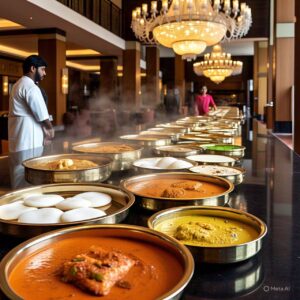
Kochi, also known as Cochin, is not just a scenic port city in Kerala—it’s a culinary hotspot in South India. With a rich history shaped by centuries of trade and cultural exchange, Kochi’s food scene offers a fusion of flavors unlike anywhere else. Influences from Portuguese, Dutch, Arab, Chinese, and British cuisines blend harmoniously with traditional Kerala recipes, creating a food culture that is bold, spicy, and irresistibly diverse.

Whether you’re strolling through Fort Kochi’s heritage streets, exploring the bustling Broadway Market, or dining at a seaside resort, the food in Kochi promises a memorable experience. This article explores the top culinary delights in Kochi, highlighting must-try dishes, local specialties, fusion trends, and where to enjoy them.

1. A Melting Pot of Culinary Influences

Kochi’s long-standing position as a major port city has exposed it to many cultures, each leaving behind a gastronomic legacy.

Historical Influences:

  • Portuguese: Introduced ingredients like vinegar and cooking techniques still found in dishes like Vindaloo and Bebinca.

  • Dutch and British: Popularized baked goods and tea-time snacks.

  • Arab traders Brought exotic spices and influenced dishes like Kuzhi Mandi and Malabar Biryani.

  • Chinese: Contributed stir-fry methods and noodle dishes found in Kochi’s street food stalls.

This fusion has led to a rich food culture where you’ll find Kerala coconut curries alongside Arabic grilled meats and European pastries.

2. Must-Try Traditional Dishes in Kochi

Kerala cuisine, known for its liberal use of coconut, curry leaves, mustard seeds, and spices, is at the heart of Kochi’s food culture.

Signature Dishes:

  • Meen Pollichathu: Pearl spot fish marinated in spices, wrapped in banana leaves, and grilled.

  • Appam with Stew: A fluffy rice pancake paired with a mild coconut milk-based vegetable or meat stew.

  • Malabar Parotta with Beef Fry: Layered flatbread served with spicy, crispy beef—a Kochi street food staple.

  • Thalassery Biryani: Aromatic rice and meat cooked with subtle Kerala spices.

  • Sadya: A vegetarian feast served on banana leaves, featuring over 20 dishes, usually during festivals like Onam.

These dishes can be found in local restaurants in Ernakulam, heritage eateries in Fort Kochi, or served fresh in homes and homestays.

3. Seafood: The Heart of Kochi’s Cuisine

Thanks to its coastal location, Kochi is a paradise for seafood lovers. The backwaters and Arabian Sea provide a constant supply of fresh fish, prawns, mussels, squid, and crabs.

Popular Seafood Dishes:

  • Karimeen Fry (Pearl spot): A delicacy often fried with spices or cooked in a curry.

  • Chemmeen Curry (Prawn Curry): Made with roasted coconut and red chilies.

  • Crab Roast: Cooked in thick gravy with black pepper and curry leaves.

  • Fish Moilee: A lightly spiced fish curry in coconut milk.

Most seafood dishes are served with steamed rice or tapioca (kappa) and are best enjoyed at beachside restaurants or Kochi fish markets.

4. Kochi’s Thriving Street Food Scene

Kochi offers a vibrant street food culture, especially around Marine Drive, Broadway Market, and Fort Kochi.

Street Food Favorites:

  • Parotta Roll: A quick grab-and-go meal with egg or chicken filling.

  • Kappa Biryani: Tapioca biryani mixed with spicy beef or chicken.

  • Nadan Pazham Pori: Sweet banana fritters, perfect with a cup of Kerala tea.

  • Shawarma and Falafel: Due to Middle Eastern influence, these are extremely popular.

  • Chinese Bhel & Fried Noodles: Local adaptations with an Indian twist.

Street food stalls often open by evening and are an essential part of Kochi’s night food culture.

5. Kochi’s Modern Cafés and Fine Dining

The city has also embraced modern food culture, with numerous cafés, bakeries, and fine-dining restaurants opening up across town.

Top Spots:

  • Kashi Art Café: Located in Fort Kochi, it combines art and continental food.

  • Fusion Bay: Known for Kerala fusion dishes and seafood specialties.

  • The Rice Boat (Taj Malabar): Offers luxury dining on a boat with panoramic views and gourmet dishes.

  • Qissa Café and David Hall Café: Trendy cafés offering smoothies, sandwiches, and artistic ambiance.

These eateries offer a mix of continental, Mediterranean, Asian, and Indian fusion cuisine, catering to both locals and global travelers.

6. Kochi’s Sweet Treats and Desserts

Kerala’s desserts are rich and mostly made with jaggery, coconut, banana, and rice flour.

Must-Try Sweets:

  • Payasam: A creamy pudding made with vermicelli or rice and jaggery.

  • Unniyappam: Sweet banana rice fritters.

  • Bebinca: A Goan-Portuguese layered dessert now found in Kochi.

  • Ela Ada: Sweet coconut-filled rice pancakes steamed in banana leaves.

Bakeries in Kochi, especially in Fort Kochi and Broadway, also serve European pastries, plum cakes, and bread pudding that reflect the city’s colonial legacy.

7. Culinary Tourism in Kochi

With its rich food culture, Kochi is becoming a preferred destination for culinary tourism in India. Many travelers are now opting for:

  • Food walks in Fort Kochi

  • Home-cooked meals with local families

  • Traditional cooking classes

  • Spice market tours

This hands-on experience allows tourists to connect with the local culture through its food.

Conclusion

Kochi’s food culture is a unique blend of tradition, innovation, and multicultural influence. From authentic Kerala dishes and flavor-packed seafood to fusion cuisine and gourmet dining, Kochi satisfies every palate.

Whether you’re a food blogger, a street food explorer, or a luxury diner, Kochi’s culinary delights are sure to leave a lasting impression.
The Growth of Art and Culture Festivals in Kochi

Introduction

Kochi, a vibrant port city on the southwest coast of India, has gained global recognition not only for its historical importance and scenic beauty but also for its growing art and culture scene. Over the past decade, Kochi has transformed into a thriving destination for art festivals in India, attracting artists, performers, and tourists from all over the world.

The city’s artistic transformation is led by flagship events like the Kochi-Muziris Biennale, alongside a rising wave of local art fairs, cultural performances, heritage festivals, and community-led events. These festivals play a vital role in preserving Kerala’s cultural heritage while also encouraging modern and experimental forms of expression.


1. Kochi-Muziris Biennale: The Flagship Art Festival

The Kochi-Muziris Biennale is India’s largest contemporary art festival and a key player in putting Kochi on the global art map. Launched in 2012, this biennial event brings together artists from around the world who use multiple forms like installations, painting, performance art, and film.

Why It Matters:

  • Promotes contemporary art in India

  • Revives Kochi’s colonial-era heritage spaces as galleries

  • Attracts global art lovers, critics, and collectors

  • Boosts cultural tourism in Kochi

The festival has elevated the city’s profile as a center of global art and cultural exchange.

2. Promoting Traditional Kerala Culture

While Kochi embraces contemporary art, it remains deeply rooted in traditional Kerala cultural festivals. Events like Onam celebrations, Kathakali performances, Mohiniyattam showcases, and temple festivals are regularly held across the city.

Highlights:

  • Onam is celebrated with flower carpets, boat races, and folk dances.

  • Thrissur Pooram, though held in nearby Thrissur, influences Kochi’s temple festivals.

  • Local community events celebrate Kerala’s rich performing arts heritage.

These events attract domestic tourists and help preserve Kerala’s classical arts, passing them on to younger generations.

3. Street Art and Public Installations

Kochi’s cultural identity has expanded to include street art and public art installations. Inspired by the global attention from the Biennale, several areas in Fort Kochi now feature wall murals, graffiti, and sculptures that celebrate both local stories and global themes.

Impact:

  • Encourages public participation in the arts

  • Beautifies urban spaces

  • Creates Instagram-worthy art tourism spots

The rise of street art in Kochi reflects a dynamic and youthful engagement with modern artistic expressions.

4. Emerging Cultural Festivals in Kochi

Kochi has also become a launchpad for new cultural festivals that blend art, music, literature, cinema, and technology.

Examples:

  • Kochi Design Week – Celebrates innovation in art, architecture, and design.

  • Kochi Literature Festival – Brings together writers, poets, and thinkers.

  • Indigo Music Festival – Focuses on jazz, indie, and world music.

  • Biennale Music Program – Features experimental and contemporary global music.

These festivals diversify the city’s creative offerings and foster a sense of community among local and international audiences.

5. Role of Fort Kochi as a Cultural District

The area of Fort Kochi is central to the city’s cultural explosion. With its colonial architecture, quaint cafés, art galleries, and performance venues, Fort Kochi is a natural home for festivals.

What Makes Fort Kochi Special:

  • Historical venues like Aspinwall House and David Hall

  • Streets alive with pop-up exhibitions during festival season

  • Hosts local artisans and international artists alike

Fort Kochi has become synonymous with creative culture in Kerala and remains the heart of the city’s art and cultural life.

6. Boost to Local Economy and Tourism

The rise of art and culture festivals in Kochi has significantly impacted the local economy:

  • Increased hotel bookings and restaurant visits during event seasons

  • Growth of local art markets and souvenir sales

  • Employment for event organizers, performers, technicians, and guides

Kochi’s image as a cultural tourism hotspot has helped attract both domestic and international visitors seeking creative experiences.

7. Community Involvement and Grassroots Movements

One of the most encouraging aspects of Kochi’s cultural rise is the involvement of local communities. NGOs, student groups, art collectives, and independent curators are creating smaller, inclusive events that focus on:

  • Environmental awareness

  • LGBTQ+ rights and representation

  • Indigenous stories and local histories

  • Sustainability and social change

This grassroots movement ensures that art in Kochi is not just elite but also democratic and socially relevant.

8. Challenges and the Road Ahead

Despite its success, Kochi’s cultural festival scene faces several challenges:

  • Funding limitations for new and smaller festivals

  • Infrastructure bottlenecks during peak seasons

  • Preservation of heritage venues

  • Balancing tradition with modern trends

However, with continued support from the government, private sponsors, and international arts organizations, Kochi’s journey as a creative capital of South India seems promising.

Conclusion

From being a coastal trading hub to emerging as a global art and culture destination, Kochi’s transformation is inspiring. With its mix of traditional festivals, global art platforms, street art, and community engagement, the city is leading a cultural renaissance.

As the city continues to grow and attract more creative minds, Kochi’s art festivals will play a key role in shaping its identity and connecting its people to the world.

Kochi’s Efforts in Promoting Sustainable Urban Transport

Kochi, often referred to as the “Queen of the Arabian Sea,” is one of the fastest-growing cities in South India. With its rapid urbanization and population growth, urban transport in Kochi has faced numerous challenges such as traffic congestion, air pollution, and lack of efficient public transport.

However, in recent years, the city has made significant strides toward sustainable urban mobility. Through green public transportation, smart traffic systems, and people-centric urban planning, Kochi is becoming a model city for sustainable urban transport in India.


Why Sustainable Urban Transport Is Important

Sustainable urban transport helps reduce:

  • Traffic congestion

  • Air and noise pollution

  • Greenhouse gas emissions

  • Dependence on private vehicles

It promotes public health, improves air quality, and supports low-carbon urban development. For a growing city like Kochi, it’s essential to create a clean, efficient, and inclusive transport system.

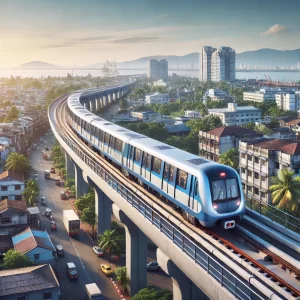
1. Kochi Metro Rail: Green Transit for the City

One of the most important steps in promoting sustainable urban transport in Kochi is the Kochi Metro Rail.

Key Features of Kochi Metro:

  • It is India’s first metro project with a dedicated Water Metro system.

  • Powered partially by solar energy.

  • Designed with energy-efficient technologies.

  • Features facilities for persons with disabilities, making it inclusive.

The Kochi Metro has helped reduce the number of vehicles on the roads, easing traffic congestion and reducing pollution.

2. Kochi Water Metro: India’s First of Its Kind

The Kochi Water Metro is a game-changer in green urban mobility. It connects islands and the mainland using electric-powered boats.

Benefits of Water Metro:

  • Zero-emission transport across waterways.

  • Reduces road traffic by offering a reliable alternative.

  • Connects underserved communities.

  • Encourages eco-tourism and sustainable development.

This innovative public transport system reflects Kochi’s commitment to multi-modal sustainable transport.

3. Non-Motorized Transport (NMT) Initiatives

Kochi is working to improve its non-motorized transport infrastructure, which includes walking and cycling. The city is part of the Smart Cities Mission, under which it has:

  • Developed dedicated cycle tracks and footpaths.

  • Launched a public bicycle-sharing system called Kochi Cycle.

  • Promoted pedestrian-friendly zones.

Encouraging people to walk or cycle short distances helps reduce dependence on cars and supports healthier lifestyles.

4. Electric Vehicles (EVs) and Charging Infrastructure

Kochi is promoting the use of electric vehicles (EVs) by:

  • Encouraging electric auto-rickshaws and e-buses.

  • Setting up EV charging stations across the city.

  • Offering incentives for EV adoption.

The Kerala State Electricity Board (KSEB) and Energy Management Centre are working together to build the infrastructure needed for widespread EV use.

5. Smart Traffic and Urban Mobility Planning

Kochi has introduced smart traffic management systems to improve traffic flow and reduce emissions.

Smart Features Include:

  • Real-time traffic monitoring

  • Adaptive traffic lights

  • Integrated public transport apps

  • GPS-enabled public buses

These technologies ensure smoother commutes and help citizens choose the most efficient and least polluting transport options.

6. Integrated Public Transport System

To promote seamless commuting, Kochi is building an integrated public transport system. This system allows passengers to switch easily between:

  • Metro rail

  • Water Metro

  • Buses

  • Auto-rickshaws

  • Bicycles

Single-ticketing systems and real-time information apps are being developed for better connectivity. This makes public transport more attractive than using private vehicles.

7. Public Awareness and Citizen Engagement

Sustainable urban transport is not only about technology—it also depends on people. Kochi regularly conducts:

  • Awareness campaigns on car-free days

  • Workshops on cycling and walking benefits

  • Clean air initiatives

Residents are encouraged to use public transport, reduce car use, and support green commuting options. Local communities play a vital role in making the city’s mobility future-ready.

8. Support from Government and International Agencies

Kochi’s sustainable transport initiatives are supported by various organizations, including:

  • Government of India’s Smart Cities Mission

  • United Nations Environment Programme (UNEP)

  • German development agency GIZ

  • Asian Development Bank (ADB)

These partnerships help provide funding, technical support, and international expertise to improve Kochi’s urban mobility infrastructure.

9. Challenges in Sustainable Urban Transport

Despite great progress, Kochi still faces challenges:

  • Traffic congestion during peak hours

  • Inconsistent last-mile connectivity

  • Limited awareness in rural and semi-urban areas

  • Funding and maintenance issues

Ongoing efforts and proper coordination between agencies are needed to address these challenges and create a resilient transport system.

Conclusion

Kochi has taken impressive steps to promote sustainable urban transport. From the Kochi Metro and Water Metro to electric vehicles and pedestrian zones, the city is creating a future where mobility is clean, affordable, and inclusive.

With continued investments, citizen participation, and government support, Kochi is set to become a model city for green mobility in India.

The Role of Kochi’s Port in Boosting International Trade

Introduction

Kochi, located in the southern state of Kerala, is home to one of India’s most important ports. The Port of Kochi, also known as Cochin Port, plays a key role in boosting international trade and shipping. Thanks to its strategic location along the Arabian Sea and advanced infrastructure, the port connects India to global markets across Asia, Europe, and the Middle East.

Today, Kochi’s port is more than just a shipping dock. It is a major economic engine for Kerala and a critical player in India’s maritime trade.

1. Strategic Location of Kochi Port

The geographical location of Kochi gives it a natural advantage. Situated on the southwest coast of India, the port is close to major international sea routes that connect Asia to Europe and the Gulf countries.

This makes Kochi an ideal port for:

  • Transshipment cargo

  • Oil and gas imports

  • Container shipments

Many global shipping lines prefer to stop at Kochi due to its deep natural harbor, minimal tidal variation, and year-round operational status.

2. Infrastructure and Facilities at Kochi Port

Kochi’s port has world-class infrastructure that supports smooth and fast cargo handling. It includes:

  • Multiple wharves and berths

  • Deep-water channels

  • Container terminals

  • Warehousing and logistics support

One of the most important facilities is the International Container Transshipment Terminal (ICTT) at Vallarpadam, which is India’s first transshipment terminal. It has helped Kochi emerge as a strong logistics and cargo center in the region.

Key services include:

  • Container handling

  • Bulk cargo operations

  • Passenger cruise terminals

  • LNG (Liquefied Natural Gas) terminal

3. Boosting Kerala’s Economy

The port of Kochi plays a central role in boosting Kerala’s economy. It supports trade in key industries such as:

  • Spices

  • Tea and coffee

  • Seafood exports

  • Rubber and coir products

  • Machinery and electronics

Thousands of jobs are created directly and indirectly through port-related industries. Small businesses, exporters, shipping companies, and logistics firms all benefit from the smooth operation of the port.

4. Role in India’s International Trade

Kochi is one of the major ports in India contributing to foreign trade. It handles both imports and exports across a wide range of goods. From petroleum and crude oil to consumer electronics and agricultural products, Kochi acts as a gateway for trade.

In recent years, the port has seen steady growth in:

  • Container traffic

  • Ship arrivals

  • Tonnage handled

It supports India’s Make in India and Atmanirbhar Bharat missions by helping local manufacturers reach international markets easily.

5. Cochin Shipyard and Maritime Services

Kochi is also home to the Cochin Shipyard, one of India’s largest shipbuilding and maintenance facilities. This further strengthens Kochi’s position as a complete maritime services hub.

The shipyard builds and repairs:

  • Commercial vessels

  • Naval ships

  • Offshore support vessels

The shipyard supports international clients and is playing a major role in the blue economy.

6. Cruise Tourism and Passenger Movement

Kochi is not only a cargo port; it is also a key player in cruise tourism. Its international cruise terminal, known as Sagarika, welcomes tourists from around the world.

Cruise ships from Europe, the Gulf, and Southeast Asia often include Kochi in their route. This has boosted tourism and helped create opportunities for:

  • Local tour operators

  • Handicraft sellers

  • Travel agencies

  • Restaurants and hotels

This shows how the port supports both business and tourism growth.

7. Environmental Sustainability Measures

As global trade grows, sustainable port operations are important. Kochi port has taken steps to reduce its environmental impact. These include:

  • Using solar energy

  • Waste management practices

  • Pollution control measures

  • Shore power to reduce ship emissions

This commitment helps the port meet global environmental standards and supports eco-friendly shipping.

8. Connectivity and Logistics Network

The success of any port also depends on how well-connected it is to the rest of the country. Kochi port has strong road, rail, and air connectivity.

Key highlights:

  • NH-66 and NH-544 connect the port to major cities in Kerala and Tamil Nadu.

  • Dedicated rail cargo corridors move goods quickly.

  • Cochin International Airport nearby ensures air freight support.

This efficient multimodal transport system makes the port a key link in India’s logistics chain.

9. Challenges and Future Potential

Like any growing port, Kochi faces some challenges:

  • Limited hinterland connectivity to inner India

  • Need for faster customs clearance

  • Competition from nearby ports like Colombo and Mundra

However, the future looks promising. Ongoing government investments and projects like the Sagarmala initiative are expected to enhance port capacity and connectivity further.

Plans include:

  • Port expansion

  • Smart port technology adoption

  • Automation and AI-based logistics

  • Strengthening global trade partnerships

Conclusion

Kochi’s port is a vital part of India’s global trade ecosystem. With its modern infrastructure, strategic location, and wide-ranging services, it helps connect Indian businesses to the world. From handling cargo and containers to promoting tourism and sustainability, the port is a key player in driving economic growth and international trade.

As the world moves toward faster and greener shipping, Kochi is well-positioned to lead the way as a modern maritime hub in India.

The Revival of Fort Kochi’s Heritage Sites

                  Fort Kochi is a historic seaside town in Kerala, celebrated for its rich colonial heritage and cultural charm.

KOCHI: Fort Kochi is where time lingers. Its colonial buildings, spice-scented lanes, and seaside charm tell stories of Portuguese, Dutch, and British legacies. Once a vibrant port and cultural hub, this historic town is now racing to protect its soul.

Today, Kochi’s artists, historians, and civic groups are working together to restore its fading heritage. Their dream? A UNESCO World Heritage tag that will preserve Fort Kochi’s identity and celebrate its past. From ancient churches and palaces to Jewish synagogues and Chinese fishing nets, Fort Kochi holds treasures that deserve global recognition.

This is more than preservation—it’s a revival of pride, history, and timeless beauty.

Fort Kochi: A Blend of History and Culture

To appreciate the revival efforts, one must first understand the importance of Fort Kochi. Once a thriving colonial settlement, Fort Kochi was influenced by Portuguese, Dutch, and British powers who left behind an architectural and cultural footprint. This coastal town, situated in the Ernakulam district of Kerala, has played a pivotal role in India’s maritime history.

From the early 1500s, when the Portuguese built forts and churches, to the Dutch who added their own signature with palaces and cemeteries, Fort Kochi became a melting pot of cultures, religions, and architectural styles. It also remained a vibrant center of spice trade, attracting traders from across the world.

Why Fort Kochi Deserves the UNESCO Tag

A UNESCO Heritage Tag isn’t merely a title; it’s recognition of Fort Kochi’s unique status as a living museum. Where else can you find European-style churches, Dutch bungalows, ancient Jewish synagogues, and colonial palaces all within a walkable radius?

Fort Kochi’s significance lies not just in its monuments, but in its living traditions—from the rhythmic beats of Kathakali performances to the globally celebrated Kochi-Muziris Biennale, a modern art festival that places this historic town on the global creative map. It is this blend of past and present that makes Fort Kochi truly exceptional.

Revival Efforts: Community and Conservation

The move to seek UNESCO recognition has sparked a wave of initiatives led by historians, conservation architects, civic bodies, and concerned citizens. These include:

  • Restoration of heritage buildings using traditional materials.

  • Documentation drives to record oral histories and architectural blueprints.

  • Workshops and awareness campaigns to engage the youth and local businesses.

  • Government and public-private partnerships to improve infrastructure without harming heritage structures.

These efforts are supported by local cultural icons and institutions that recognize the immense value of safeguarding this priceless legacy.

Key Heritage Sites in Fort Kochi

The heart of Fort Kochi is dotted with iconic sites that reflect centuries of history:

  • St. Francis Church: Built in 1503, this is the oldest European church in India. It was here that Vasco da Gama was first buried before his remains were taken to Lisbon.

  • Santa Cruz Basilica: A grand Gothic-style Roman Catholic church with soaring ceilings and artistic interiors, this church stands as a testimony to colonial craftsmanship.

  • Dutch Cemetery: Quietly nestled behind the beach, this cemetery holds the tombs of Dutch traders and missionaries, dating back to the 17th century.

  • Jew Town & Paradesi Synagogue: Located in nearby Mattancherry, this area is home to India’s dwindling Jewish community. The Paradesi Synagogue, built in 1568, is adorned with Belgian chandeliers and hand-painted Chinese tiles.

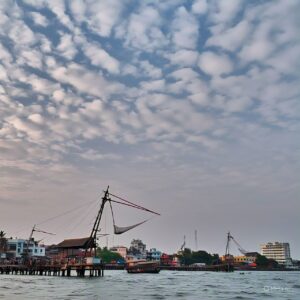
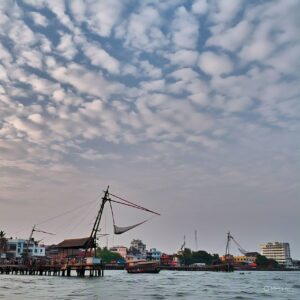
  • Vasco da Gama Square: A lively promenade along the sea where the famous Chinese fishing nets sway gently with the tides. These cantilevered nets are a rare sight and represent traditional fishing methods introduced by Chinese traders.

  • Mattancherry Palace (Dutch Palace): Known for its Kerala murals depicting scenes from the Ramayana, this palace blends colonial architecture with local style.

These landmarks are more than tourist attractions—they are symbols of Fort Kochi’s soul.

Tourism: A Lifeline for Fort Kochi

Tourism is the beating heart of Fort Kochi’s local economy. Visitors from around the world flock here not only to see its colonial architecture but to experience its culture through its cuisine, art galleries, street performances, spice markets, and backwater boat rides.

Events like the Kochi-Muziris Biennale, held every two years, transform the entire region into a canvas for contemporary art. Boutique homestays, heritage hotels, and artist residencies have sprung up around this growing creative ecosystem.

Cafés like Kashi Art Café and galleries like Pepper House offer not just good food but also platforms for local artists. These efforts are vital in preserving the unique flavor of Fort Kochi, ensuring that it remains vibrant and lived-in rather than frozen in time.

How to Reach Fort Kochi

Getting to Fort Kochi is convenient and scenic:

  • By Air: The nearest airport is Cochin International Airport (CIAL), about 44 km away. Taxis and app-based cabs are readily available.

  • By Train: The nearest railway station is Ernakulam Junction or Ernakulam Town.

  • By Road/Bus: From Ernakulam, buses and taxis regularly connect to Fort Kochi.

  • By Ferry: One of the most scenic ways is to take a ferry or boat from Ernakulam to Fort Kochi. The newly launched Kochi Water Metro now connects key parts of the city via eco-friendly boat services, enhancing accessibility to Fort Kochi.

  • By Metro + Bus: Use the Kochi Metro up to Maharaja’s College or Vyttila, then take a feeder bus or boat service to Fort Kochi.

Nearby Attractions and Experiences

The charm of Fort Kochi extends beyond its heritage buildings:

  • Cherai Beach: Just a short drive away, ideal for swimming and dolphin watching.

  • Marine Drive: A popular spot in mainland Kochi for an evening stroll along the waterfront.

  • Broadway Market: Known for shopping spices, clothes, and local snacks.

  • Lulu Mall: One of India’s largest malls, located in Edappally for those who want modern retail therapy.

These contrasts—between the old-world charm of Fort Kochi and the modern vibrancy of mainland Kochi—make the city unique.

Conclusion: Preserving the Past, Building the Future

The revival of Fort Kochi’s heritage is not just about saving old buildings—it’s about preserving identity, honoring stories, and creating a sustainable future rooted in history. As efforts toward UNESCO recognition gain momentum, the spotlight is once again on this enchanting town by the sea.

Fort Kochi’s journey is a reminder that progress and preservation can go hand in hand. With continued support from the local community, tourists, and governing bodies, Fort Kochi can reclaim its rightful place on the global heritage map—and remain a beacon of culture, creativity, and history for generations to come.

Kochi’s Transformation into a Smart City: Progress and Plans

Kochi, famously known as the “Queen of the Arabian Sea,” is transforming remarkably. Once a traditional port town with colonial charm, Kochi is now evolving into a modern smart city, blending its rich heritage with cutting-edge development. With progress in multiple sectors like infrastructure, transportation, digital governance, tourism, healthcare, education, and urban living, Kochi is setting an example for sustainable and inclusive growth in India.

Infrastructure and Connectivity: The Backbone of Kochi’s Smart Evolution

One of the key drivers of Kochi’s transformation is its rapid infrastructure development. Roads, bridges, and urban layouts are being modernized to improve mobility and public convenience. Smart lighting systems, improved drainage, and upgraded public spaces are adding to the quality of life for residents.

A major highlight is the Kochi Metro, which has revolutionized public transportation in the city. It offers a fast, clean, and affordable way for people to move across urban areas, reducing road congestion and pollution. In addition to the metro, India’s first Water Metro service has been launched in Kochi — a path-breaking project integrating boat-based transport with land-based systems. The Water Metro connects the mainland to nearby islands like Vypin, Willingdon Island, and Kakkanad, easing commute for thousands of islanders.

Kochi also boasts strong railway connectivity under the Southern Railway network and has excellent road links to all parts of Kerala and neighboring states.

Cochin International Airport: A Global Gateway

Another feather in Kochi’s cap is the Cochin International Airport (CIAL), the first airport in the world fully powered by solar energy. It is one of India’s busiest and most efficient airports, connecting Kochi with major domestic and international destinations. The airport is not only a transport hub but also a symbol of sustainability and innovation.

The airport’s expansion plans and improved facilities for cargo, customs, and passenger services further enhance Kochi’s global connectivity and economic potential.

Smart Urban Services and Digital Advancements

Digital infrastructure is a key pillar of any smart city, and Kochi is actively implementing smart technologies across the board. CCTV surveillance cameras have been installed in public areas for better safety and crime control. Online civic services, digital kiosks, and smart waste management systems are already in place.

Solid waste management has seen a big leap, with segregation at source, modern processing plants, and public awareness drives helping keep the city clean. Water supply networks are being upgraded, and smart meters are being introduced to monitor consumption and prevent wastage.

Tourism: A Rising Star in the Smart City Map

Kochi is also leveraging its tourism potential as a key part of its smart city mission. The city is a melting pot of cultures, cuisines, and colonial history, attracting visitors from around the globe. Areas like Fort Kochi, Jew Town, Jew Street, and Vasco da Gama Square showcase Dutch, Portuguese, and British influences.

Popular tourist destinations like Cherai Beach, Marine Drive, and the backwaters of Kochi offer scenic beauty and relaxation, while cultural events like the Kochi-Muziris Biennale place the city on the international art map.

The city’s improved infrastructure, guided tour services, multilingual signboards, and clean public spaces make it more tourist-friendly than ever before.

Commercial and Shopping Hubs

Kochi is a bustling center of commerce with a growing number of malls, markets, and business zones. The Broadway Market in downtown Kochi is a traditional trading area that continues to thrive. Modern shopping destinations like Lulu Mall, Centre Square Mall, and Oberon Mall cater to the city’s urban shoppers.

Marine Drive, an iconic waterfront stretch, is both a recreational spot and a commercial hub. It hosts eateries, retail outlets, and business offices. Theatres, entertainment zones, and multiplexes are thriving, reflecting the city’s cultural and commercial growth.

Cochin Port: The Economic Engine

The Cochin Port, one of the largest and most strategic ports in India, plays a key role in Kochi’s economic development. It supports international trade, cargo handling, shipbuilding, and logistics. Its proximity to industrial zones and SEZs like SmartCity and InfoPark gives Kochi a competitive edge as a commercial and shipping hub.

Healthcare: A Hub for Medical Excellence

Kochi is a leading healthcare destination in South India. The city hosts top hospitals such as:

  • Kalamassery Govt Medical College
  • Amrita Institute of Medical Sciences

  • Lakeshore Hospital

  • Medical Trust Hospital

  • Ernakulam General Hospital

These institutions are known for advanced medical care, specialty treatments, and health tourism. They serve local residents and attract patients from across India and abroad.

Education and Skill Development

Education is another area where Kochi shines. It is home to prestigious institutions like:

  • Cochin University of Science and Technology (CUSAT)

  • Amrita Vishwa Vidyapeetham

  • Model Engineering College

  • Government Medical College, Ernakulam

The city also has numerous paramedical, management, arts and science colleges, CBSE and international schools, and vocational training centers. This strong educational ecosystem creates a skilled talent pool to meet the demands of the modern economy.

IT and Innovation Hub

Kochi is emerging as an important IT and innovation hub. InfoPark Kochi, SmartCity Kochi, and new co-working spaces support startups and global tech companies. The availability of broadband infrastructure, a young workforce, and investor-friendly policies make Kochi a favored destination for digital businesses.

These developments are generating employment, boosting the economy, and pushing Kochi closer to its vision of becoming a knowledge-driven city.

Residential Growth and Urban Living

With its rising importance, residential demand in Kochi is also growing. Real estate developers are creating smart housing communities, integrated townships, and eco-friendly apartments. Gated communities with modern amenities are attracting professionals, NRIs, and families alike.

New residential areas in Kakkanad, Edappally, Panampilly Nagar, and Vyttila are seeing rapid development, supported by improved roads, schools, hospitals, and parks.

A Model Smart City in the Making

Kochi’s smart city transformation is a fine example of inclusive development, where heritage meets modernity, and growth meets sustainability. The city is integrating:

  • Smart transport (Metro, Water Metro, Airport)

  • Digital services and safety (CCTV, online governance)

  • Tourism and culture (Fort Kochi, backwaters, Cherai)

  • Healthcare and education (leading hospitals and colleges)

  • IT and commerce (InfoPark, malls, markets)

  • Environment and urban services (waste, water, housing)

With continued support from government, public participation, and private investment, Kochi is truly becoming a smart city that is safe, clean, connected, and future-ready.


Tech-Infused Cultural Festivals: A New Kochi Trend


AI in Kochi’s Smart Policing: A Success Story

Kochi, one of Kerala’s busiest and most vibrant cities, is quickly becoming a model for smart city innovation in India. Known for its beautiful backwaters and heritage charm, Kochi is now also gaining attention for its use of Artificial Intelligence (AI) in improving city life—especially in the area of smart policing. With a rise in digital tools, data systems, and intelligent infrastructure, Kochi is proving how a modern Indian city can use technology for safety, convenience, and better public services.

Kochi – A Growing Smart City

Kochi is not just growing in size—it’s growing smart. The city is part of India’s Smart Cities Mission, which means it’s using technology to improve roads, transport, waste management, and security. Moreover, Kochi has smart bus stops, digital traffic lights, solar street lamps, and free Wi-Fi in many areas. In addition, smart parking systems and digital payment options make life easier for residents and tourists alike.

How AI is Helping Kochi Police

One of the biggest successes in Kochi’s smart transformation is in law enforcement. The city police have adopted AI tools to keep people safer and improve how they respond to problems.

  • Smart Surveillance: Cameras with facial recognition and vehicle number tracking are installed at key traffic points. These help in finding stolen vehicles, identifying traffic violations, and even catching criminals.

  • Automatic Fines: Traffic violations are now tracked by AI and fines are sent automatically to the driver’s phone or email. This reduces human error and speeds up the process.

  • Predictive Policing: AI can now analyze past crime data and predict where problems might happen next. This allows the police to act faster and prevent crimes before they happen.

  • Chatbots & Digital Helpdesks: Citizens can now get basic help and file complaints through AI chatbots on the police website or mobile apps.

Furthermore, these smart policing tools have helped reduce response time, improved public trust, and made crime tracking more accurate.

Smart Shopping and Lifestyle in Kochi

Apart from safety, Kochi’s malls and shopping hubs are also becoming smarter. Many stores use AI for crowd monitoring, energy saving, and digital billing. Some malls have eco-friendly designs, solar panels, smart parking, and digital screens for navigation. Moreover, AI is being used in cashless counters, product recommendation systems, and even AR (Augmented Reality) fitting rooms.

This makes shopping in Kochi not just enjoyable, but also eco-conscious and efficient.

Transport Made Easier with AI

Kochi’s public transport is another area where AI is creating a big impact.

  • Smart Traffic Management: AI adjusts traffic signals in real-time based on congestion, helping reduce jams.

  • Water Metro and Buses: AI is used for route planning, digital ticketing, and live tracking. Moreover, this helps commuters save time and avoid confusion.

  • EV Integration: Electric vehicles and charging stations are increasing, supported by data systems that track usage and maintenance.

In short, travel in Kochi is becoming faster, smarter, and cleaner.

AI for Cleaner, Greener Kochi

Kochi is also using smart systems to manage waste, water, and energy. AI helps monitor garbage levels in bins, tracks water usage in buildings, and controls lighting based on movement and time of day. These systems help the city save resources and reduce pollution. In addition, AI is being used to manage climate challenges by supporting early warning systems and flood tracking.

Behind the Scenes: Kochi’s Tech Backbone

What powers all this smartness? It’s the city’s strong IT ecosystem. With places like Infopark and SmartCity Kochi, the city is home to many tech companies, startups, and research centers that work with the government. Many AI solutions for policing and public services are developed right here in Kochi.

Furthermore, local universities and training institutes are teaching young professionals about AI, data science, and smart city planning. This means the city is growing its talent and technology as it grows.

Challenges and Future Plans

Of course, Kochi’s smart journey is not without challenges. Data privacy, system maintenance, and public awareness are still areas to improve. However, with constant updates and new policies, the city is moving in the right direction.

In the future, Kochi plans to expand AI use into healthcare, education, and environmental monitoring—making it not just a smart city, but a truly AI-powered sustainable city.


Conclusion: A Safer, Smarter Kochi

AI in Kochi’s smart policing has already made a visible difference in how the city functions. Moreover, with support from smart transport, modern infrastructure, eco-friendly malls, and tech innovation hubs, Kochi is leading by example. It proves that when technology meets public service, cities become cleaner, safer, and more livable for everyone.

Sustainable Cafés in Kochi Leading a Green Revolution

Kochi, the vibrant and busy city that blends tradition with modernity, has long been a magnet for travelers, creatives, and culture lovers. With its steady flow of tourists and a fast-paced urban lifestyle, the city naturally craves spaces to unwind, refuel, and connect. That’s where its café culture steps in—but now, it’s doing much more than just serving coffee. A new wave of sustainable cafés in Kochi is leading a green revolution, showing how food, community, and environmental responsibility can come together. These cafés are cutting waste, going plant-based, supporting local farmers, and using clean energy—all while offering cozy corners to relax in the heart of this ever-evolving city.

Here’s how Kochi’s cafés are rewriting the rules of responsible dining.


1. Zero Waste, Full Taste: Kochi’s Clean Café Movement

Cafés across Kochi are now championing zero-waste lifestyles. By composting kitchen scraps, using banana leaves instead of disposable plates, and ditching plastic straws and cutlery, these spots are dramatically reducing landfill waste. Some cafés have even installed bulk refill stations for items like sugar, coffee powder, or granola, empowering customers to buy only what they need without extra packaging.


2. Solar Brews and Carbon Clues: Toward Net-Zero Cafés

A growing number of cafés are working to achieve carbon neutrality. By tracking their carbon footprint, limiting electricity usage, and switching to solar energy, they’re taking responsibility for their environmental impact. Some even go the extra mile by partnering with local organizations to plant trees in Kerala’s villages—offsetting emissions while supporting green livelihoods.


3. Powered by Plants: Kochi’s Vegan Café Culture

The plant-based trend is booming in Kochi, and cafés are right at the forefront. Menus now include vegan burgers, dairy-free lattes, jackfruit tacos, and more—all made using local, seasonal ingredients. Not only are these dishes healthy and delicious, but they also significantly reduce greenhouse gas emissions linked to animal agriculture.


4. Local is the New Global: Farm-to-Cup Commitment

Cafés in Kochi are embracing the farm-to-table philosophy like never before. Many source their vegetables, herbs, and fruits directly from local farms or even grow them on rooftops and backyard gardens. This hyper-local sourcing supports small farmers, guarantees ingredient freshness, and cuts down on food miles and transport emissions.


5. Coffee on the Chain: Blockchain Meets Your Brew

Sustainability is also going high-tech. A few cutting-edge cafés in Kochi are beginning to use blockchain technology to trace the journey of their coffee beans—from the hills of Wayanad or Idukki to your cup. This ensures transparency and builds consumer trust while also promoting fair-trade practices.


6. AI for Chai: How Smart Tech Reduces Waste

Artificial Intelligence (AI) might not be the first thing you associate with cafés, but in Kochi, it’s making a difference. Some eco-forward establishments are now using AI tools to manage inventory, reduce food waste, and optimize energy use. AI can predict customer demand and adjust smart appliances to cut energy usage.


7. More Than Organic: Regenerating Through Food

Kochi cafés are also taking sustainability a step further by sourcing from regenerative farms. Unlike conventional farming, regenerative agriculture restores soil health, improves biodiversity, and increases carbon sequestration. By supporting these farms, cafés are not just sustaining the planet—they’re helping heal it.


8. Rinse and Reuse: The Circular Cup Culture

Single-use cups and containers are quickly becoming a thing of the past in Kochi. Many cafés now offer reuse-and-return systems, where customers can borrow reusable containers or bring their own. After use, they return the items to be washed and reused—creating a closed-loop system that minimizes waste.


9. Saving Every Drop: Water-Wise Café Practices

Water conservation is vital in Kerala, especially during dry seasons. Eco-minded cafés in Kochi are stepping up by installing low-flow taps, greywater recycling systems, and rainwater harvesting units. These initiatives not only save water but also encourage other local businesses and households to follow suit.


10. Eco Eats on the Move: Green Takeaway Trends

Takeaway culture is big in Kochi, but it doesn’t have to be wasteful. Sustainable cafés are making sure that even on-the-go meals come with a green touch. You’ll find biodegradable containers, edible cutlery, and compostable packaging becoming the norm. Customers are encouraged to bring their own containers, and some cafés even offer incentives for doing so.


Conclusion: Stirring Up a Sustainable Future

Kochi’s cafés aren’t just places to grab a coffee—they’re becoming platforms for positive change. From zero-waste cooking to renewable energy and tech-enabled sustainability, these establishments are showing how every cup and every meal can be a small act of environmental stewardship.

Whether you’re a resident or a visitor, choosing sustainable cafés means becoming part of Kochi’s green revolution. One sip at a time.

Kochi to Host India’s First Eco-Hacking Marathon


Kochi, Kerala – In a groundbreaking initiative combining environmental sustainability with technological innovation, Kochi is all set to host India’s first Eco-Hacking Marathon later this year. The event, a first of its kind in the country, is aimed at driving grassroots environmental change through creative, tech-powered solutions — popularly termed as eco-hacking.

What is Eco-Hacking?

Eco-hacking refers to the use of digital tools, open-source technology, data science, and grassroots innovation to address environmental issues. Participants in an eco-hacking marathon work collaboratively to develop sustainable solutions for problems like waste management, climate change adaptation, renewable energy, air and water pollution, and biodiversity conservation.

Projects can range from apps that track local pollution levels, to low-cost smart sensors for monitoring deforestation, to AI models that predict urban heat islands — all with a focus on local impact.

Why Kochi?

Kochi’s selection as the host city is no surprise. The coastal metropolis is a known hotspot for sustainability efforts, urban innovation, and civic engagement. With its blend of natural beauty, tech-savvy youth, and increasing vulnerability to climate change, Kochi offers both the need and the spirit for such an initiative.

Moreover, Kochi’s thriving startup ecosystem, proactive civic bodies, and recent smart city projects make it an ideal testbed for scalable green innovations. The city has previously garnered praise for its solar-powered airport and its push for electric public transport, reinforcing its green credentials.

When Will It Happen?

The Eco-Hacking Marathon is scheduled to take place in September 2025, coinciding with the Global Climate Action Month. The event will span 48 hours, bringing together developers, designers, environmentalists, students, researchers, and community leaders under one roof.

The venue is expected to be a hybrid of physical and digital participation, hosted at a prominent Kochi tech hub with global participation enabled via online platforms.

Expected Outcomes and Benefits

  • Localized Solutions: Ideas that are tailored to Kerala’s unique ecological challenges — including coastal erosion, waterway pollution, and urban flooding.

  • Youth Engagement: A platform for young minds to contribute meaningfully to climate action and environmental sustainability.

  • Policy Influence: Winning ideas may be adopted or scaled by local government bodies or sustainability NGOs.

  • Tech for Good: The marathon will emphasize open-source collaboration and ethical innovation for the planet.

In Summary

Kochi’s upcoming eco-hacking marathon could redefine how communities engage with climate issues — not with fear or despair, but with innovation and action. As the event unfolds, it may well become a blueprint for other Indian cities to blend green goals with digital creativity.