Skip to content Skip to left sidebar Skip to right sidebar Skip to footer

Author: lakshmi ormeon

Kochi Biennale 2025: Blending Art, Culture, and Tech

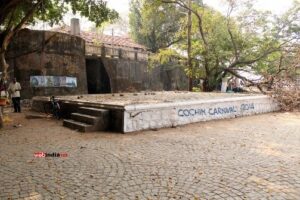
Vasco da Gama Square

The vibrant coastal city of Kochi, Kerala, is once again preparing to host one of the most anticipated events in the global art scene—the Kochi-Muziris Biennale 2025. Set to unfold from December 12, 2025, to March 31, 2026, this four-month extravaganza of contemporary art, culture, and innovation promises an unforgettable experience for both first-time visitors and seasoned travelers.

If you’re planning a trip to South India, here’s why the Kochi Biennale 2025 should be at the top of your itinerary.


What is the Kochi-Muziris Biennale?

The Kochi-Muziris Biennale is India’s largest contemporary art festival, held every two years in the historical setting of Fort Kochi. Launched in 2012, it has become a global platform for artists, curators, and audiences to engage in creative dialogue. This unique festival not only celebrates visual and performance art but also explores deeper themes of cultural identity, history, technology, and social change.

Set against the backdrop of colonial-era warehouses, spice markets, sea-facing promenades, and Dutch, Portuguese, and British architectural remnants, the Biennale transforms the city into a dynamic canvas of creativity.


Kochi Biennale 2025 Theme & Curator

The 2025 edition will be curated by Nikhil Chopra, a globally acclaimed performance artist known for his immersive storytelling and visual installations. Chopra’s vision is expected to blend traditional Indian art forms with digital innovation, focusing on identity, memory, and sustainability.

His curatorial team, HH Art Spaces, will bring a bold and inclusive perspective to this edition, inviting diverse voices from across the globe and across disciplines.


Why Tourists Love the Kochi Biennale

Whether you’re an art enthusiast, a culture seeker, or a casual traveler, the Kochi Biennale offers something for everyone:

1. Immersive Art Experiences

Expect to see massive murals, digital installations, live performances, soundscapes, and multimedia works that push creative boundaries. The venues—ranging from old warehouses to open courtyards and heritage buildings—add to the immersive feel.

2. Blend of History and Modernity

Set in Fort Kochi and the surrounding areas, the Biennale’s venues include iconic spots like Aspinwall House, David Hall, and Pepper House, each offering a mix of old-world charm and modern expression.

3. Global Artist Participation

With contributors from over 30+ countries, you’ll witness a truly international showcase of ideas and artistry. Previous editions have featured artists from Brazil, Japan, South Africa, Germany, Iran, and beyond.

4. Cultural Programs and Side Events

Alongside the main exhibits, visitors can enjoy film screenings, talks, workshops, musical performances, and heritage walks—many of which are free or community-based.


Technology Meets Tradition

The 2025 edition is expected to push boundaries further by integrating technology with tradition. Visitors can look forward to:

  • Augmented Reality (AR) Art Installations

  • AI-generated artworks

  • Interactive digital storytelling

  • Virtual reality (VR) booths for immersive heritage experiences

For travelers who enjoy the intersection of tech and creativity, the Kochi Biennale is a fascinating case study in how tradition and innovation can co-exist beautifully.


Perfect Time to Visit Kochi

The Biennale is held during Kerala’s peak tourist season (December to March), when the weather is most pleasant, making it an ideal time to explore Kochi and beyond. The cool sea breeze, vibrant street life, and festive atmosphere turn Fort Kochi into a paradise for travelers, artists, and photographers.

Travel Tip: Book your stay early—hotels, homestays, and boutique accommodations fill up fast during the Biennale months.


What to See & Do Around the Biennale

While you’re soaking in the art, don’t miss out on exploring Fort Kochi’s other gems:

  • 🐟 Chinese Fishing Nets at sunset

  • St. Francis Church (the oldest European church in India)

  • 🏛️ Mattancherry Palace & Jew Town

  • ☕ Quirky cafés and art galleries

  • 🛍️ Antique shops, handicrafts, and spice markets

Also, consider taking a backwater cruise from nearby Alleppey or enjoying an Ayurvedic spa for a complete Kerala experience.


Accessibility and Getting There

Kochi is easily accessible:

  • Nearest Airport: Cochin International Airport (COK) – about 45 km from Fort Kochi

  • By Train: Ernakulam Junction (south and north) are well connected to major Indian cities

  • By Road: Excellent bus and taxi connectivity to Fort Kochi

Local travel options include ferries, tuk-tuks (autos), and bicycles for eco-friendly navigation.


Where to Stay

Fort Kochi is known for its range of accommodations—from heritage homestays and artsy hostels to luxury waterfront hotels.

Many hotels collaborate with the Biennale, offering art tours, curated experiences, and special packages.


Tips for Visitors

Buy a Biennale Pass early—it gives you access to multiple venues throughout the duration of your visit
Download the Biennale app for schedules, venue maps, and artist details
✔ Dress comfortably—Fort Kochi is best explored on foot
✔ Be open-minded—the exhibits can be thought-provoking, experimental, and emotionally moving
✔ Support local—buy from artist stalls, eat at local cafés, and interact with the community


Conclusion: Why the Kochi Biennale 2025 Is a Must-Visit for Tourists

The Kochi-Muziris Biennale 2025 is more than just an art event—it’s a celebration of India’s heritage, creativity, and contemporary voice. It’s where art meets activism, where history meets innovation, and where global travelers become part of a local story.

Whether you’re looking to immerse yourself in world-class contemporary art, explore Kerala’s coastal charm, or simply enjoy a culturally rich holiday—Kochi Biennale 2025 promises an unforgettable journey.

Plan your visit today and be part of a movement that’s redefining the way the world experiences art and culture.

Women Entrepreneurs Driving Change in Kochi

In the fast-paced world of startups, Kochi is fast gaining recognition as a powerhouse of women-led innovation. Across a spectrum of industries—from cutting-edge tech and mental wellness to eco-fashion and tourism—women entrepreneurs are leading the charge, bringing fresh perspectives and bold ideas to the forefront. A recent event hosted by Kaumudy spotlighted this exciting transformation, honoring changemakers who are not only launching successful ventures but are also reshaping the business narrative in Kerala.

This was more than a celebration—it was a tribute to resilience, ingenuity, and the unstoppable drive of women shaping Kochi’s cultural and economic fabric.


Championing Grit and Growth

The evening recognized trailblazing women who have built impactful startups in areas as varied as education, healthcare, design, and digital innovation. These founders are proving that entrepreneurship can go hand-in-hand with community development—creating jobs, promoting inclusivity, and sparking social change.

Despite facing challenges like limited access to capital, work-life balancing acts, and societal expectations, these women have forged ahead with passion and purpose. Their stories are powerful examples of what happens when vision meets perseverance.


A Vibrant Space for Exchange and Empowerment

The event served as a collaborative space where experience met ambition. Budding entrepreneurs engaged with seasoned business leaders, sharing strategies, success stories, and roadblocks. Themes like inclusive growth, peer support, and the need for more women-to-women mentorship resonated throughout the conversations.

Participants left with more than just takeaways—they left with connections, clarity, and the confidence to dream bigger.


An Ecosystem Built on Shared Strength

At the heart of Kochi’s women-led startup wave is a strong sense of community. This support system champions female founders at every stage—whether they’re homegrown creators, solo founders, or tech leaders scaling globally. The network facilitates:

  • Strategic mentoring and real-world advice

  • Business-building workshops and training

  • Visibility through collaborative events and showcases

  • Access to brand-building, marketing, and scaling tools

By creating a nurturing environment, the collective empowers women to launch, grow, and sustain businesses that matter.


Unity in Diversity: Ventures That Make a Difference

One of the defining strengths of Kochi’s women-led startup scene is its diversity. Founders are launching ventures across sectors such as:

  • Digital products, app development, and AI tools

  • Wellness, fitness, and emotional health

  • Ethical fashion, textile innovation, and slow design

  • Food entrepreneurship and immersive culinary experiences

  • Child-focused learning solutions and EdTech platforms

  • Financial advisory, coaching, and consulting services

  • Artistic ventures preserving traditional crafts and heritage

Despite their varied domains, these businesses are united by a shared commitment to authenticity, sustainability, and impact.


Guidance from Industry Experts

Their hands-on mentorship provides both a compass and a catalyst for aspiring founders.


Digital First: How Tech is Powering Progress

Women entrepreneurs in Kochi are riding the digital wave to reach new markets and optimize operations. From launching Shopify stores to using AI-powered analytics, they’re leveraging tech to fuel growth. Key tools include:

  • E-commerce and digital storefronts

  • CRM and automation for customer experience

  • Mobile apps for service and engagement

  • Social media campaigns and influencer marketing

This tech-savviness is enabling lean startups to scale fast, pivot quickly, and stay competitive in today’s global market.


Purpose-Driven Enterprises Making a Mark

What sets these women-led ventures apart is their purpose. They’re creating businesses that do more than generate revenue—they make a real difference by:

  • Providing employment and skill development locally

  • Championing sustainable practices and eco-conscious materials

  • Reviving cultural traditions through craft, food, and experience-based tourism

  • Promoting gender equity and inclusivity in workspaces

These are businesses with heart and mission—where profits meet purpose.


Women in Creative and Cultural Leadership

A growing number of entrepreneurs are embracing creative ventures—leading art initiatives, organizing community exhibitions, and collaborating with local artisans. Their work connects Kerala’s heritage with modern sensibilities, offering meaningful experiences to locals and travelers alike.

Involvement in global platforms like the Kochi-Muziris Biennale has further spotlighted the role of creative enterprise in cultural preservation and economic revitalization.


Sustainability as a Business Philosophy

From biodegradable packaging and eco-friendly textiles to conscious tourism and zero-waste practices, sustainability is embedded in the DNA of these businesses. Women-led startups in Kochi are proving that ethical practices can drive profit, impact, and customer loyalty.

Their approach aligns with global shifts toward mindful consumption, making them pioneers in sustainable entrepreneurship.


A New Chapter in Kochi’s Startup Story

Kochi’s women entrepreneurs are rewriting the playbook of business leadership. Their collective journey is one of courage, collaboration, and conviction. As support networks grow stronger and visibility increases through platforms like the one hosted by Kaumudy, these founders are not just participating in the startup revolution—they’re leading it.

They are building futures where innovation is inclusive, leadership is diverse, and success is shared.


Conclusion: Bold Ideas. Bright Futures.

Kochi’s startup ecosystem is being reshaped by women with vision. These founders are not just growing businesses—they’re transforming lives, communities, and industries. Whether you’re an aspiring entrepreneur, a mentor, or an ally, now is the time to tune in and take part.

Because the future of entrepreneurship is here—and in Kochi, it’s powered by women.


Exploring Fort Kochi’s Art Scene Through Digital Walks

In the digital world, tourism is becoming more immersive and tech-driven. Fort Kochi is embracing this shift, blending its rich heritage with modern innovation. Known for its colonial charm, spice trails, and coastal culture, this town in Kerala is now a must-visit destination for art enthusiasts. Digital walks offer a fresh way to explore Fort Kochi’s art history, cultural landmarks, and contemporary creativity, making tourism here more accessible, interactive, and engaging than ever before.

Fort Kochi’s Rich Artistic Legacy

Fort Kochi has long been a cultural melting pot, shaped by centuries of Portuguese, Dutch, and British influence. This blend of colonial history, local traditions, and modern expressions has given rise to a vibrant, eclectic art scene. Walking through Fort Kochi—either physically or digitally—is like stepping into a living canvas where heritage buildings host contemporary art, and street walls burst with bold murals.

The town’s art culture gained international prominence with the Kochi-Muziris Biennale, now recognized as South Asia’s biggest contemporary art festival. Held every two years, it has transformed Fort Kochi into a global destination for art enthusiasts, curators, and digital content creators.


Key Art Landmarks to Explore Digitally

1. Aspinwall House

This colonial-era warehouse is the flagship venue of the Kochi-Muziris Biennale. It features large-scale installations, video art, sculptures, and immersive exhibits. Virtual tours and 360° walkthroughs of past Biennale editions are available online, giving remote visitors access to these compelling works.

2. Pepper House

Part gallery, part café, and part reading room, Pepper House is a creative incubator. Through digital exhibitions, visitors can access artist interviews, work-in-progress visuals, and behind-the-scenes stories.

3. David Hall Art Gallery & Café

This 17th-century building blends colonial architecture with modern art. Through digital walk platforms, users can view curated exhibitions or take an AR-enhanced look at specific works.

4. Kashi Art Café

A beloved destination for art and food, Kashi Art Café hosts thought-provoking exhibitions. Its online presence offers glimpses into rotating collections and artist features.

5. Street Art and Murals

Fort Kochi’s walls tell stories—political, personal, and poetic. Using location-based digital walk apps, tourists can now access mapped routes showcasing the best murals along Princess Street, Bazaar Road, and other artistic pockets.


Kochi-Muziris Biennale: Digital Immersion into Contemporary Art

The Kochi-Muziris Biennale has embraced technology to make art more inclusive. During the COVID-19 pandemic, it pivoted toward digital content, creating online platforms where audiences could engage with performances, panel discussions, and art showcases.

Digital archives and walkthroughs of past editions—hosted by platforms like the Droste Effect Magazine and The Wrong Biennale—offer a treasure trove of content for students, artists, and travelers alike. These platforms make art discovery borderless, transforming passive viewing into an interactive learning experience.


Technology-Enabled Exploration: Tools That Bring Art to Life

1. Augmented Reality (AR) and Virtual Reality (VR)

Some digital walk platforms now use AR filters that overlay information or animations on art pieces when viewed through a phone. VR experiences recreate the ambience of Fort Kochi’s art galleries, allowing visitors to “walk through” an exhibit from anywhere in the world.

2. Mobile Apps and GPS Navigation

Apps like World Walking and SmartGuide use GPS tracking to lead users on self-guided art tours, complete with audio narration and artist bios. These are especially useful for tourists who prefer flexible and independent exploration.

3. Social Media Integration

Instagram reels, YouTube vlogs, and TikTok walkthroughs by creators offer engaging perspectives on Fort Kochi’s evolving art scene. Hashtags like #KochiBiennale and #FortKochiArtWalk are buzzing with fresh content daily.


Impact on Tourism and Art Appreciation

1. Broader Reach and Cultural Awareness

Digital walks break barriers of geography, allowing people across the world to discover Fort Kochi’s art treasures. They serve as a virtual bridge, especially for those who cannot travel due to financial, health, or logistical constraints.

2. Educational Value

Tourists—especially students, educators, and families—can access educational layers that might be missed during a traditional walk. Embedded videos, artist interviews, and background stories help foster deeper appreciation and understanding of contemporary art.

3. More Engaging Travel Experience

With elements like interactive quizzes, AR pop-ups, and gamified walking tours, digital walks enhance tourist engagement. They appeal to modern travelers looking for personalized and immersive experiences, rather than passive sightseeing.


Sustainability and Art Conservation

1. Reducing Physical Footprint

Digital art walks help minimize overcrowding at popular venues, reducing the strain on historic buildings and public spaces. This is crucial for a heritage town like Fort Kochi, where conservation is key.

2. Preserving Art Digitally

Technology enables archiving and documentation of transient artworks, like street murals that may fade or installations that are dismantled post-exhibit. These digital records ensure the art continues to inspire future generations.

3. Eco-Friendly Tourism

By reducing the need for printed maps, guidebooks, and signage, digital tools promote sustainable tourism practices. Eco-conscious travelers can now explore Fort Kochi guilt-free, knowing their exploration leaves a lighter footprint.


Conclusion: Fort Kochi’s Digital Renaissance

Digital walks are transforming how we experience Fort Kochi’s art scene—bridging the old with the new, the physical with the virtual. For tourists, they offer unmatched convenience, flexibility, and depth. For the art community, they provide global reach, sustainability, and innovative storytelling. As technology continues to evolve, so too will the ways we appreciate and protect the cultural gems of Fort Kochi.

In short, digital walks aren’t just a trend—they’re the future of art tourism.


How Kochi’s Startups Are Going Global

A startup in Kochi is a tech-enabled, innovation-driven venture supported by Kerala Startup Mission, contributing to the city’s emerging entrepreneurial ecosystem.

Today, Kochi is redefining its identity as a global startup hub. The city is backed by the strong support of the Kerala Startup Mission (KSUM). A new wave of innovative entrepreneurs is leading the charge. Kochi has secured a spot in the 2024 Global Startup Ecosystem Report (GSER). It ranks 14th in India and 18th in South Asia. The city has outpaced established tech giants like Telangana, Karnataka, and Tamil Nadu. Kochi is quickly becoming a thriving epicenter of innovation.

The transformation is fueled by technology, creativity, and government-backed infrastructure that nurtures early-stage businesses. Here’s how Kochi is changing the startup game—one innovation at a time.

1.  Entrepreneurship: A Cultural Shift in Kochi

Kochi is experiencing a cultural shift with entrepreneurship becoming a career of choice, especially for tech-savvy youth. The support from KSUM, incubators, and co-working hubs like KTIZ and FabLabs has created a space where bold ideas are welcomed, and failure is seen as a learning step.

Startups are flourishing in sectors like:

  • Edtech

  • Ecommerce & Retail

  • Marketing & Sales Tech

These three alone make up 24% of the city’s startup ecosystem.


2. Innovation at the Core of Kochi’s Growth

Startups like Entri and Genrobotics showcase Kochi’s potential to innovate across diverse fields—from education to robotics to sustainability. The city encourages problem-solving through technology, with many founders focusing on local problems with global relevance.

The government provides regular innovation grants, tech expos, and access to research labs, further supporting new inventions and product development.


3. Funding: Opportunities and Challenges

Although Kerala topped the GSER 2024, many startups still struggle to access early-stage funding compared to those in metro cities.

The Kerala government, through KSUM, provides:

  • Seed funds up to ₹25 lakh

  • Idea grants and early-stage product funding

  • Market access and investor connects

However, bridging the gap between local talent and global investors remains a challenge.


4.  Pitch Deck: Building the Right Narrative

A recurring issue is that while startups are technologically strong, many falter in presenting their value proposition clearly to investors. A powerful pitch deck can make or break funding opportunities, and this is an area where founders from Kochi are now receiving training and mentoring through programs supported by the state.

KSUM and incubators like Maker Village host pitch days and demo days, teaching startups how to tell their story and attract funding.


5. Venture Capital: Gaining Investor Confidence

Venture capital in Kochi is still growing, with a few active local players and visiting VCs from metros. The VC ecosystem is warming up to Kerala startups thanks to improved business maturity and market-ready ideas.

“Entrepreneurs now know how to tap into resources in other regions,” says Robin Alex Panicker of Finotes, emphasizing the evolving business acumen in the city.

KSUM’s Investor Café initiatives are also helping connect Kochi startups with both national and international VCs.


6. Bootstrapping: The Power of Starting Small

Many startups in Kochi begin their journey through bootstrapping, relying on personal savings and revenue instead of external funding. This has led to the rise of sustainable, revenue-generating models that are less dependent on capital and more focused on solving real problems.

It also fosters financial discipline, a trait that many VCs now value in Kerala startups.


7. Scaling: From Local to Global

Scaling remains one of the toughest challenges. While Kochi startups show high technical competence, they often lack managerial expertise and global market understanding. However, this is improving.

Programs by KSUM now include:

  • Global market access trips

  • Cross-border partnership opportunities

  • Export-ready certification and mentoring

Startups are increasingly targeting Gulf markets, Southeast Asia, and Europe as their next growth frontiers.


8. MVP (Minimum Viable Product): Launch, Learn, Iterate

The MVP model is gaining traction in Kochi’s startup circles. Founders are now embracing the “build fast, test early” approach, thanks to support from accelerators and incubators.

This approach reduces product-market mismatch and allows startups to launch refined, validated offerings without burning through resources.


9. Lean Startup Principles in Practice

Many startups in Kochi are beginning to adopt Lean Startup principles:

  • Rapid experimentation

  • Customer feedback loops

  • Iterative product development

This mindset helps them pivot quickly, reduce failure risks, and build scalable businesses even in a cost-sensitive market like India.


10. Disruption on a Global Scale

Kochi’s entrepreneurs are now dreaming bigger. Whether it’s AI-driven education tools, clean tech, or health-tech, the goal is to disrupt conventional markets and build globally scalable models.

Success stories like Entri prove that with the right mix of support, even a small startup from Kochi can go global.


Government Participation: The Kerala Startup Mission Advantage

The Kerala Startup Mission is the backbone of Kochi’s growth. With more than 4,000 startups under its wing, KSUM provides:

  • Physical infrastructure (incubators, coworking spaces)

  • Financial support (seed funding, innovation grants)

  • Mentorship & training programs

  • Global exposure through events and delegations

The state’s pro-startup policies have created one of India’s most inclusive and resource-rich environments for entrepreneurs.


Employment & City Life: A Boon for Technically Skilled Youth

As the startup ecosystem grows, job opportunities in Kochi have surged, especially in:

  • Software development

  • Data science

  • UI/UX design

  • Digital marketing

  • Product management

Moreover, Kochi offers a balanced city life, with affordable housing, growing nightlife, access to nature, and top-tier digital infrastructure, making it ideal for young professionals and remote workers.


Conclusion: Kochi’s Startup Ecosystem Is Just Getting Started

Kochi is no longer just Kerala’s commercial capital—it’s becoming South India’s new-age innovation engine. With support from the government, increasing investor interest, and a strong community of passionate founders, Kochi is poised to be a true global tech hub.

Its journey is proof that innovation doesn’t need a metro address. All it needs is vision, support, and the will to build.

Upcoming International Tech Hubs Near Kochi

Kochi is rapidly emerging as a key tech hub in South India, driven by state-backed IT parks, international collaborations, and a thriving startup ecosystem

Kochi, the commercial capital of Kerala, is fast emerging as a major player in India’s tech landscape. Once known primarily for its ports and tourism, the city is now attracting international attention for its rapid evolution into a technology and innovation hotspot. With the rise of multiple international tech hubs near Kochi, the region is witnessing a transformational shift—fueling economic growth, creating job opportunities, and reshaping urban life.

Here’s a deep dive into the top tech hubs developing near Kochi and how they are positively impacting the city’s economy, employment, infrastructure, and lifestyle.


1. Infopark Kochi Phase II – A Massive Boost to IT Growth

Building on the success of Infopark Phase I, Infopark Phase II in Kakkanad is being developed over 160 acres. With a planned investment of over ₹2,500 crore, the park is designed to accommodate global IT giants, large enterprises, and niche tech startups.

✅ Benefits:

  • Projected to create 80,000+ direct jobs

  • Offers sustainable infrastructure and green-certified buildings

  • Attracts top IT firms and global outsourcing projects

  • Spurs growth in nearby residential areas like Kakkanad, Edachira, and Vazhakkala

Impact: This hub strengthens Kochi’s status as a Tier-II IT destination with Tier-I amenities and global connectivity.


2. SmartCity Kochi – A World-Class IT & Urban Ecosystem

SmartCity Kochi, a joint initiative by the Government of Kerala and Dubai Holding, is a 246-acre IT SEZ focused on next-generation business infrastructure. It offers a walk-to-work environment with commercial zones, residential clusters, educational institutions, and recreational facilities.

✅ Benefits:

  • Potential to support 90,000+ tech jobs

  • Designed on the Dubai Internet City model

  • Attracts high-end real estate and luxury developments

  • Promotes urban sustainability with green landscapes and smart infrastructure

Impact: SmartCity positions Kochi on the global map as a self-contained smart city, offering a unique blend of tech, lifestyle, and sustainability.


3. Integrated Startup Complex (ISC), Kalamassery – Startup Superpower

Located in Kalamassery, the Kerala Startup Mission’s Integrated Startup Complex is among the largest startup hubs in Asia. It brings together startups, incubators, accelerators, investors, and training programs under one roof.

✅ Benefits:

  • Incubates 500+ startups across fintech, agritech, healthtech, and edtech

  • Encourages youth entrepreneurship and innovation

  • Generates direct and indirect employment

  • Elevates Kochi’s reputation as India’s startup-friendly city

Impact: ISC is laying the foundation for a vibrant innovation economy, inspiring a new generation of creators and job seekers.


4. Digital Hub Kochi – Powering India’s Digital Future

Launched as part of the Kerala Digital Mission, the Digital Hub in Kochi focuses on emerging tech like AI, machine learning, blockchain, IoT, AR/VR, and gaming. It supports digital-first businesses and is integrated with international training programs and hackathons.

✅ Benefits:

  • Creates jobs in future-ready sectors

  • Offers skills development programs and global exposure

  • Strengthens the digital talent pipeline in Kerala

  • Attracts international tech firms, SMEs, and startups

Impact: The hub helps build a resilient digital economy, boosting Kochi’s competitiveness in the tech world.


5. Technocity Trivandrum – Strengthening the State-Wide Tech Ecosystem

Though based in Trivandrum (approximately 210 km from Kochi), Technocity plays a crucial role in Kerala’s integrated IT strategy. It focuses on R&D, education, and advanced technologies, indirectly supporting Kochi’s tech workforce and innovation network.

✅ Benefits:

  • Establishes Kerala as a multi-city tech hub

  • Boosts state-wide job creation and infrastructure

  • Improves Kochi-Trivandrum connectivity, making intercity movement easier

  • Drives academic-industry collaboration

Impact: Technocity enhances regional synergy, making Kerala’s tech ecosystem more connected, collaborative, and investment-friendly.


Economic Impact of Kochi’s Emerging Tech Hubs

These tech hubs are not just transforming business—they’re reshaping Kochi’s entire economic landscape:

📈 1. Economic Growth

  • Increased FDI and private investment in infrastructure and IT parks

  • Boost in state GDP via tech exports and service outsourcing

  • Rise in ancillary industries like construction, retail, logistics, and hospitality

👨‍💻 2. Employment Opportunities

  • Combined job creation expected to cross 200,000 direct and indirect jobs

  • Roles in IT, software development, digital marketing, UI/UX design, AI, cybersecurity, data science, and customer support

  • Job opportunities for both freshers and experienced professionals


Urban Lifestyle & Real Estate Boom

With tech hubs mushrooming around Kochi, there’s a parallel boom in residential and urban infrastructure:

🏡 1. Residential Possibilities

  • Increased demand for apartments, villas, co-living, and gated communities in areas like Kakkanad, Edappally, Kalamassery, and Vyttila

  • Growth in affordable housing projects for IT professionals and families

  • Rise in real estate value and investment potential

🌆 2. City Life Enhancements

  • Expansion of metro rail, roadways, and public transport systems

  • New malls, cafés, schools, hospitals, and coworking spaces

  • Enhanced urban amenities improve the quality of life for residents


Why Kochi Is Poised to Be South India’s Next Global Tech Destination

  • Strategic Location: Proximity to international shipping lanes, global connectivity via Cochin International Airport (CIAL)

  • Skilled Talent Pool: Backed by top engineering colleges and universities in Kerala

  • Proactive Government Support: Kerala’s tech-friendly policies and investor incentives

  • Cost Advantage: Lower cost of living and operation compared to Bangalore, Chennai, or Hyderabad

  • Sustainable Urban Growth: Focus on green energy, smart infrastructure, and pollution control


Conclusion

The upcoming international tech hubs near Kochi are not just tech parks—they’re engines of transformation. They are rewriting the story of the city by injecting vitality into its economy, creating thousands of jobs, improving urban infrastructure, and elevating its global standing. For businesses, investors, professionals, and residents alike, Kochi is fast becoming a city of the future—vibrant, innovative, and globally connected.

Whether you’re a tech entrepreneur, job seeker, or real estate investor, now is the time to keep your eyes on Kochi.


Kochi Metro’s AI-Based Crowd Management System

Kochi Metro is stepping into the future with the introduction of an AI-based crowd management system designed to revolutionize the way public transport operates in urban India. As cities grow denser and metro systems become increasingly crowded, especially during peak hours, traditional solutions like infrastructure expansion are proving to be expensive and time-consuming. To address these challenges effectively, Kochi Metro Rail Limited (KMRL) is integrating Artificial Intelligence (AI) and Internet of Things (IoT) technologies to ensure efficient, safe, and passenger-friendly services.

Tackling Metro Congestion Through Smart Technology

Overcrowding is one of the most pressing problems faced by metro systems worldwide. For instance, Japan’s Tozai Line has reached a staggering congestion rate of 199%, which means it operates at nearly double its intended capacity. Indian cities are not far behind. With New Delhi projected to become the world’s largest urban agglomeration by 2028, housing over 37 million people, the pressure on urban transport systems like the metro will only intensify.

In such a scenario, Kochi Metro’s adoption of an AI-based crowd management system emerges as a forward-thinking solution. Instead of solely relying on physical expansion, this system utilizes smart sensors, facial recognition, real-time data analytics, and predictive modeling to manage the flow of commuters and improve operational efficiency.

Core Components of Kochi Metro’s AI-Based System

1. AI-Powered Cameras and Facial Recognition

The newly implemented AI cameras are capable of facial recognition and passenger profiling. These smart devices collect demographic data such as:

  • Age

  • Gender

  • Clothing or Uniform Patterns (e.g., school or college uniforms)

This allows the system to build a detailed picture of the daily commuter base and understand peak usage patterns among different groups.

2. Passenger Profiling and Demographic Analysis

With accurate passenger profiling, Kochi Metro can identify who its commuters are and tailor services accordingly. For instance, identifying school-going students can help adjust train schedules during school hours. Similarly, demographic data helps with:

  • Planning marketing strategies

  • Enhancing passenger safety

  • Offering age or gender-specific services

3. Real-Time Monitoring and Analytics

Using IoT-enabled sensors placed throughout metro stations and inside trains, the system collects real-time data on passenger movement. This data helps in monitoring:

  • Platform crowd density

  • Entry and exit flow

  • Train occupancy levels

  • Congestion patterns during peak hours

With this real-time visibility, metro authorities can dynamically adjust train frequency and crowd control measures.

4. Predictive Passenger Forecasting

One of the standout features of the system is its predictive analytics module. By studying historical data and current trends, the AI can forecast passenger volumes for:

  • Hourly schedules

  • Daily operations

  • Weekly and seasonal patterns

These insights allow the Kochi Metro team to plan ahead, deploy resources efficiently, and avoid potential overcrowding.

5. Integration with Kudumbashree Services

KMRL continues to collaborate with Kudumbashree, Kerala’s community-based women’s empowerment initiative. Kudumbashree teams will handle:

  • Customer service

  • Crowd management

  • Housekeeping

  • Catering and auxiliary services

While AI brings automation and data-driven insights, the human presence of Kudumbashree adds a layer of warmth, assistance, and local community engagement to the metro experience.

Benefits of AI-Based Crowd Management

The integration of this AI-driven system brings numerous benefits to both metro operators and passengers:

  • Reduced congestion through dynamic scheduling

  • Improved safety with better crowd flow control

  • Higher operational efficiency by deploying resources based on real-time demand

  • Enhanced passenger experience through personalized services

  • Lower costs in the long run compared to infrastructure expansion

This model also aligns well with India’s Smart City Mission, making Kochi Metro a pioneer in blending smart mobility solutions with social inclusivity.

Global Context and Local Innovation

Cities around the world are increasingly turning to AI and IoT to manage large-scale public transport. In Tokyo, Seoul, Singapore, and even cities like Paris and London, smart transit systems are using real-time data for traffic and crowd management.

However, what makes Kochi Metro’s initiative unique is the combination of high-tech AI tools with community-based management through Kudumbashree. This hybrid model ensures that while the system is technologically advanced, it remains inclusive, empathetic, and grounded in local values.

A Sustainable Future for Urban Mobility

With rapid urbanization and rising commuter numbers, sustainable and scalable solutions are the need of the hour. By implementing AI-based crowd management, Kochi Metro is setting a benchmark for other Indian metro systems. It not only addresses the current issues of congestion and safety but also prepares the metro for future challenges, including:

  • Festival and holiday rushes

  • Sudden surges during public events

  • Emergency management

  • Long-term urban growth

Moreover, by leveraging data analytics, real-time monitoring, and predictive forecasting, KMRL can continually improve its services and evolve based on changing commuter behavior.


Conclusion

Kochi Metro’s AI-Based Crowd Management System is more than just a technological upgrade—it’s a leap toward the future of smart, efficient, and people-centric urban transportation. With features like real-time surveillance, demographic analysis, predictive forecasting, and community involvement through Kudumbashree, this initiative stands as a model for metros across India and beyond.

By embracing AI and IoT, Kochi Metro is not only solving current problems like overcrowding and inefficiency but is also building a resilient, scalable transport system that can adapt to the future needs of a growing urban population.

Kochi Women in Tech: Leading the Way

In recent years, Kochi has witnessed a remarkable transformation—not just as a technology hub, but as a city nurturing inclusive innovation. With the rapid development of IT infrastructure, the growth of startups, and increased focus on smart city initiatives, Kochi is emerging as a promising space for women in technology to thrive.

This progress is not limited to participation in tech roles alone. Women in Kochi are increasingly becoming creators, decision-makers, and change agents, shaping the city’s digital journey with confidence and clarity of vision.


A Changing Tech Landscape

The technology ecosystem in Kochi has grown exponentially, supported by a mix of public-private initiatives, startup accelerators, and knowledge-based institutions. In this dynamic environment, women are making their presence felt across every level of the tech pipeline—from engineering and research to product innovation and strategy.

There is a noticeable shift in how women are viewed in the sector. No longer relegated to supporting roles, they are now driving discussions, leading teams, and spearheading solutions that merge innovation with empathy.


Stories of Resilience and Innovation

What sets this movement apart is the powerful wave of stories behind it—stories of resilience, reinvention, and innovation. Across the city, women are finding their ways to break barriers, whether by launching tech ventures, mentoring others, or introducing ideas that challenge traditional thinking.

These individual journeys reflect a broader transformation. The tech culture in Kochi is beginning to value inclusion not as a checkbox, but as a core strength. There is a growing recognition that diverse voices bring fresh perspectives, ultimately leading to more robust and human-centered innovation.


Community and Collaboration

A key factor in this growth has been the rise of tech communities and support networks that are consciously inclusive. Women-focused tech collectives, developer groups, and peer circles have created safe and supportive spaces for sharing knowledge, discussing challenges, and fostering mentorship.

These platforms enable women to connect with like-minded professionals, attend workshops and seminars, and contribute to open dialogue about the future of tech. Through collaboration and mutual learning, they are cultivating a culture of empowerment that extends far beyond the screen.


Education and Upskilling

Kochi’s robust academic and digital learning environment continues to play a significant role in shaping future talent. With increasing participation in STEM education, digital literacy programs, and tech-focused bootcamps, more women are gaining access to high-quality tech training.

Whether entering the field for the first time or returning after a career break, many are leveraging learning platforms to build skills in AI, data science, software development, and design. Importantly, these educational opportunities are helping women from non-traditional backgrounds transition smoothly into the tech space.


Overcoming Barriers

Despite the progress, challenges persist. Societal expectations, unconscious bias, and limited access to mentorship can still hinder women’s career growth. However, what’s encouraging is the growing ecosystem of awareness and response.

Flexible work models, leadership development programs, and returnship pathways are slowly helping to remove structural and cultural roadblocks. Conversations around mental health, work-life balance, and gender parity are becoming more normalized, allowing women to navigate their careers on their own terms.


Driving Tech for Good

One of the most inspiring aspects of Kochi’s women-led tech movement is the emphasis on purpose-driven innovation. Many are using technology to solve real-world challenges—creating products and services that improve lives, uplift communities, and advocate for sustainable practices.

This approach reflects a unique blend of empathy and technical acumen, with a clear focus on inclusivity, accessibility, and social impact. Whether it’s developing digital tools for education, health, or environmental conservation, women are showing how tech can be a force for meaningful change.


The Road Ahead

Kochi is on the cusp of a transformational shift, not just in technology, but in the culture of who gets to shape it. The rise of women in tech is no longer a trend—it’s becoming a foundational part of the city’s innovation story.

With continued support from educational institutions, community networks, and policy initiatives, the future looks bright. The next chapter of Kochi’s digital growth is likely to be written by diverse teams, inclusive leadership, and a deep sense of shared purpose.


Final Thoughts

“Kochi Women in Tech: Leading the Way” is not just a phrase—it’s a reality powered by quiet determination and bold ambition. As more women step into the spotlight, they are reshaping narratives, reimagining possibilities, and redefining success on their own terms.

In Kochi’s story of progress, one thing is certain: when women rise, the entire ecosystem rises with them.

Vypin Island Kayaking: A New Eco-Sport Destination


India’s First Floating EV Charging Station in Kochi

Kochi, the vibrant port city in Kerala known for its rich heritage and tech-forward initiatives, has once again made headlines by unveiling India’s first floating electric vehicle (EV) charging station. This innovative step not only highlights the city’s commitment to sustainable urban mobility but also showcases how eco-conscious infrastructure can be blended with aesthetics and utility.

A Groundbreaking Innovation

Commissioned by the Kerala State Electricity Board (KSEB) and supported by the Agency for Non-Conventional Energy and Rural Technology (ANERT), the floating EV charging station is located on the Vembanad Lake, near the KSRTC Boat Jetty in Kochi. Built atop a floating platform, the station utilizes renewable solar power to charge electric boats and other EVs, making it a first-of-its-kind facility in the country.

This green initiative not only supports the local water transport network but also aligns with Kerala’s broader vision of transitioning to electric mobility, especially across its vast water-based transport corridors.

Why Floating?

Kochi’s geography is unique — a network of interconnected islands and canals, lakes, and backwaters. Public transport in the region isn’t just limited to roads but includes a wide-ranging water transport system, including electric ferries and boats.

By setting up a floating charging station, authorities have smartly utilized available water space while avoiding land constraints often faced in urban centers. The station floats securely on the water’s surface and is anchored for stability, capable of handling fluctuations in water levels due to tides or rainfall.

Features of the Floating Charging Station

  • Solar-Powered: The station is powered entirely by photovoltaic solar panels, installed on the rooftop of the floating deck.

  • Dual Utility: It caters to both electric boats and electric cars, making it versatile in function.

  • Eco-Friendly Construction: Built with sustainable materials, the platform includes lightweight frames and floating barrels for buoyancy.

  • Digital Interface: The charging station is integrated with a smart monitoring system to track usage, energy consumption, and carbon savings.

  • Weather-Resistant: The structure is designed to withstand Kerala’s tropical climate, including monsoons.

Support for E-Mobility in Water Transport

The Kerala State Water Transport Department (KSWTD) is already operating electric ferries like the award-winning Aditya, which has been recognized globally for its energy-efficient design. With this floating charging station, charging access becomes seamless, eliminating dependence on land-based facilities and enhancing operational convenience.

Moreover, the new charging station supports the expansion of the Kochi Water Metro, a fully electric public transport system on water, launched to reduce traffic congestion and pollution in the city. As more electric boats are introduced into this fleet, the demand for such innovative solutions will rise.

Kochi’s Commitment to Sustainability

The floating EV charging station is not just a tech demonstration — it’s part of a broader, long-term plan. Kochi has been at the forefront of clean energy adoption and sustainable urban mobility, with various initiatives like:

  • 🌱 Promotion of solar-powered public transport.

  • 🚌 Introduction of electric buses by Kochi Metro Rail Limited (KMRL).

  • 🚲 Plans for pedestrian-friendly and bicycle-safe streets.

  • ♻️ Establishment of waste-to-energy and solar energy farms.

The city has also been part of national programs such as the FAME (Faster Adoption and Manufacturing of Hybrid and Electric Vehicles) scheme, encouraging private and public EV adoption.

Symbolic and Practical Significance

Launching a floating EV charging station sends a symbolic message of innovation and climate consciousness. It reflects how infrastructure, mobility, and ecology can harmoniously coexist. It also addresses practical issues, such as space constraints in urban centers and the need for clean, decentralized energy sources.

For the people of Kochi, this is more than a charging station — it’s a floating promise of a cleaner future.

Role of KSEB and ANERT

The Kerala State Electricity Board has taken a proactive role in setting up green energy projects across the state, while ANERT continues to champion renewable energy awareness and deployment. Their collaboration on the floating station marks a successful example of government-led innovation addressing modern environmental and mobility challenges.

The long-term goal includes replicating this model across other water-logged cities and towns, both in Kerala and other coastal states of India.

Inspiring the Nation

India is rapidly pushing toward its goal of achieving net-zero emissions, and e-mobility is a key pillar of this transition. With the introduction of this floating EV station, Kochi has set a precedent that can be followed by cities like Mumbai, Chennai, Goa, and Kolkata.

Urban planners and sustainability experts across the nation are now looking at Kochi’s model as a case study in combining renewable energy with innovative transport infrastructure. From being a pilot project, it could grow into a national framework for EV infrastructure in regions with extensive water networks.

Conclusion

Kochi’s floating EV charging station is a remarkable stride into the future — one that demonstrates how cities can adapt to geographical uniqueness while embracing green innovation. As the rest of the country watches Kochi’s progress, it’s clear that the city is not just floating on water — it’s sailing ahead in sustainable development.


Cultural Renaissance: How Kochi Biennale Attracts Global Eyes

Once known for its spice trade and colonial past, the coastal city of Kochi has undergone a stunning transformation. Today, it stands at the forefront of India’s contemporary art scene — thanks largely to the globally acclaimed Kochi-Muziris Biennale. Held in the historic quarters of Kerala’s port city, this prestigious event is not merely an art exhibition; it’s a cultural movement that bridges Kochi’s rich heritage with its modern cosmopolitan spirit.

Since its debut in 2012, the Biennale has evolved into India’s largest contemporary art festival, attracting thousands of artists, curators, critics, collectors, and visitors from around the globe. It has elevated Kochi to the ranks of global art capitals like Venice and São Paulo — while maintaining a distinctively Indian soul.

Iconic Venues that Frame the Festival

The uniqueness of the Kochi-Muziris Biennale lies in its site-specific storytelling, utilizing Kochi’s historical spaces to showcase contemporary creativity. These venues, steeped in history, serve as more than just backdrops — they are an integral part of the narrative.

  • Aspinwall House: This sea-facing colonial-era compound in Fort Kochi is the Biennale’s primary venue. Donated by DLF and supported by the Gujral Foundation, it epitomizes the festival’s fusion of heritage and innovation.

  • Anand Warehouse: Located in Mattancherry, this former trading warehouse is now a canvas for groundbreaking artistic installations.

  • Cabral Yard: Once a coir yarn press site, named after Portuguese explorer Cabral, this venue reflects industrial history transformed through art.

  • David Hall: A 17th-century Dutch bungalow once used by military personnel, now reimagined as a contemporary art space.

  • Durbar Hall: Situated in central Ernakulam, this structure once belonged to the Maharaja of Cochin. Today, it serves as a world-class exhibition hall.

  • Kashi Art Café & Kashi Town House: Kashi Art Café, founded in 1997, was one of the earliest champions of contemporary art in Fort Kochi. Its newer counterpart, Kashi Town House, continues this legacy in a residential, more intimate setting.

Where Heritage Meets Contemporary Vision

Kochi’s unique historical identity — from its Portuguese, Dutch, and British colonial influences to its deep roots in Indian maritime culture — is the soul of the Biennale. The festival doesn’t just display art; it weaves it into the city’s architecture, streets, and stories.

The use of crumbling spice godowns, ancient mansions, and abandoned ports for installations creates a profound connection between art and place. Each piece, often site-specific, engages with the surroundings, creating an immersive experience that is as much about space and memory as it is about aesthetics.

This spatial dialogue turns Fort Kochi into an open-air museum during the festival months — a living gallery that celebrates both past and present.

A Platform for Global Expression and Local Engagement

At its heart, the Kochi-Muziris Biennale is a platform for dialogue, diversity, and democratization of art. Each edition is curated with a fresh vision, exploring themes ranging from post-colonial identity to climate change, gender, technology, and politics.

Highlights from Past Editions:

  • 2012: The inaugural edition focused on “site specificity,” connecting deeply with Kochi’s historical textures.

  • 2014: A narrative-driven edition that engaged with the idea of the curator as storyteller.

  • 2016 and beyond: The Biennale has expanded both thematically and geographically, incorporating digital art, activism, and collaborative practices.

By welcoming diverse voices and disciplines, the Biennale has become a mirror to contemporary society, inviting viewers to question, feel, and reflect.

Reviving Spaces, Revitalizing Communities

The impact of the Biennale extends far beyond art. It has played a vital role in reviving Kochi’s urban infrastructure, restoring historical buildings, and attracting investment in cultural tourism. Once dormant structures now pulse with new energy, offering employment, visibility, and pride to the local population.

  • Local youth volunteer at the Biennale, gaining global exposure and practical skills.

  • Artists-in-residence programs allow emerging talents to work alongside global names.

  • Community outreach initiatives ensure that art is not confined to elite circles but reaches schools, villages, and public spaces.

This socio-cultural renaissance has redefined how cities can integrate art into everyday life — making culture not a luxury, but a shared experience.

Kochi Biennale Foundation: The Visionaries Behind the Movement

The visionary force behind this transformation is the Kochi Biennale Foundation (KBF), a nonprofit public charitable trust co-founded in 2010 by celebrated artists Bose Krishnamachari and Riyas Komu. With strong support from the Government of Kerala, KBF has become a torchbearer for cultural development in India.

Its objectives go beyond hosting a biennial:

  • Promote art education

  • Preserve heritage spaces

  • Encourage public art

  • Foster international collaboration

The Foundation has successfully created a sustainable model for cultural inclusion, rooted in community, collaboration, and creativity.

Not Just a Festival, But a Movement

The Biennale is not commercial in nature — it is curatorially driven and artist-first. This allows for freedom of expression and experimentation, making the event intellectually rich and socially relevant.

It attracts over 600,000 visitors from more than 40 countries, who roam through alleys, courtyards, and coastlines, engaging with a spectrum of artistic media — from paintings and sculpture to sound installations, digital art, and performance pieces.

Empowering the Next Generation

A hallmark of the Biennale is its inclusive educational outreach. Through initiatives like:

  • Students’ Biennale

  • Art by Children (ABC)

  • Seminars, lectures, and workshops

…the festival nurtures emerging artists and art lovers. These programs encourage artistic expression among youth from marginalized and rural backgrounds, ensuring that the next wave of creators is as diverse and dynamic as the country itself.

A Model for Sustainable Cultural Tourism

Beyond culture, the Biennale contributes significantly to sustainable urban development:

  • Boost in tourism and hospitality

  • Economic upliftment for local artisans and vendors

  • Renewal of public and heritage spaces

  • Global visibility for Kerala’s cultural economy

It demonstrates how art can be a catalyst for civic pride, social change, and sustainable development — and how creative industries can powerfully shape a city’s identity on the world stage.


Conclusion: Kochi’s Cultural Renaissance

The Kochi-Muziris Biennale is more than an art event — it’s a movement of transformation. It brings together Kochi’s storied maritime past with its aspirations for a modern, inclusive, and globally relevant future.

From spice trade to thought trade, Kochi has reclaimed its historic role as a global port of ideas. As the Biennale continues to grow in scope and influence, it reaffirms one truth: art has the power to reshape cities, inspire communities, and redefine nations.

In the heart of Kerala, on the shores of the Arabian Sea, a cultural revolution is unfolding — and the world is watching.