Skip to content Skip to left sidebar Skip to right sidebar Skip to footer

Author: lakshmi ormeon

Startup Ecosystem in Kochi: 2025 Growth Trends

In recent years, Kochi has emerged as one of India’s fastest-growing startup hubs, combining coastal charm with entrepreneurial innovation. As we move through 2025, the startup ecosystem in Kochi is witnessing rapid evolution, driven by government support, tech-savvy talent, and a collaborative business culture.

From fintech and health tech to green energy and digital marketing, Kochi is carving a niche in multiple verticals. In this blog post, we explore the growth trends shaping Kochi’s startup ecosystem in 2025, while highlighting the key players, government initiatives, and opportunities for investors and entrepreneurs.


Kochi: The Silicon Coast of Kerala

Often referred to as the “Silicon Coast of Kerala”, Kochi is now recognized as a vibrant destination for startups and tech ventures. Unlike saturated markets like Bengaluru or Mumbai, Kochi offers lower operational costs, a high quality of life, and strong digital infrastructure, making it ideal for early-stage companies.

Thanks to initiatives like Startup India and Kerala Startup Mission (KSUM), the city is gaining momentum as a preferred destination for emerging entrepreneurs and tech innovators.


Key 2025 Startup Trends in Kochi

Let’s dive into the top startup trends defining Kochi’s entrepreneurial landscape in 2025.

1. Rise of Deep-Tech and AI Startups

One of the most prominent growth trends is the rise of AI-based startups and deep-tech ventures. From AI-driven healthcare platforms to predictive analytics for agriculture, Kochi-based startups are leveraging artificial intelligence and machine learning to solve real-world problems.

Incubators such as FabLab Kerala and Maker Village Kochi are playing a crucial role by offering infrastructure, mentoring, and access to funding for AI startups in Kochi.

2. Boom in HealthTech and MedTech Innovations

The post-pandemic digital healthcare surge continues in 2025, with Kochi startups developing telemedicine platforms, wearable tech, and remote patient monitoring systems. Healthtech firms like NIRAMAI and CareStack, though national in scope, have inspired local innovators to build scalable healthcare solutions.

Startups are also collaborating with hospitals and research institutions in Kochi to develop products that cater to rural as well as urban healthcare needs.

3. Green Tech and Sustainability Startups on the Rise

In a state known for its natural beauty, it’s no surprise that Kochi is seeing a boom in green startups. From eco-friendly packaging solutions to renewable energy products and sustainable agriculture tech, environmental innovation is a major focus.

Given the global push for climate-friendly businesses, Kochi startups are tapping into green funding opportunities and attracting international investors interested in sustainable entrepreneurship in India.


Government Support Fuels Growth

One of the cornerstones of Kochi’s startup success is robust government support. The Kerala Startup Mission (KSUM), a flagship initiative of the state government, has built a powerful startup incubation ecosystem across Kochi.

KSUM has provided over Rs. 100 crores in funding support by 2025 and facilitated access to global accelerators. Through its programs like Idea Grant, Seed Fund Support, and Startup Boxes, KSUM is ensuring that early-stage entrepreneurs get the tools they need to succeed.

Additionally, Kochi’s Infopark and SmartCity projects offer startups world-class office spaces, high-speed internet, and a collaborative work environment, making it easier to scale operations without leaving the city.


Incubators and Co-Working Spaces Catalyze Innovation

Another growth driver in 2025 is the emergence of incubators, accelerators, and co-working hubs in Kochi. Leading incubators like:

  • Maker Village (India’s largest electronic hardware incubator)

  • KSUM Integrated Startup Complex

  • IndiQube and 91springboard

…are offering mentorship, funding access, legal aid, and networking opportunities for new ventures.

These innovation hubs foster cross-sector collaboration, enabling startups in fintech, edtech, greentech, and digital media to co-create, experiment, and launch products faster.


Kochi’s Talent Pool: A Key Competitive Advantage

Kochi’s startup growth is further fueled by its educated, tech-savvy youth population. Home to prestigious institutions like:

  • CUSAT (Cochin University of Science and Technology)

  • Rajagiri School of Engineering

  • IIIT-Kottayam and Amrita University

…the city is producing skilled graduates who are job-ready and eager to work with startups.

In 2025, more than 70% of new ventures in Kochi are hiring locally, thus strengthening the startup employment ecosystem and reducing the brain drain to larger metros.


International Partnerships and Global Recognition

Kochi’s startup ecosystem is now on the global innovation map. Thanks to KSUM’s partnerships with global organizations like:

  • UNDP

  • MassChallenge (USA)

  • Startup Genome

… Startups in Kochi are getting exposure to international markets and funding avenues. Several Kochi-based ventures have been featured in Forbes Asia’s 30 Under 30, further proving that the city’s ideas are globally competitive.

Startup Events and Networking Platforms

Networking plays a vital role in startup growth, and Kochi excels in this space. Events like:

  • Huddle Kerala

  • Seeding Kerala

  • Startup Yatra

  • BioAsia Kochi

…bring together investors, mentors, and founders under one roof. These events not only boost visibility but also facilitate fundraising and strategic partnerships.

Challenges to Overcome

Despite this progress, Kochi’s startup scene still faces challenges. Funding accessibility beyond seed stage, scaling infrastructure, and investor density need improvement. Moreover, compared to cities like Bengaluru, the volume of startups is still limited.

However, with consistent support and rising investor confidence, these challenges are gradually being addressed in 2025.


The Road Ahead: What to Expect Beyond 2025

Looking forward, Kochi’s startup ecosystem is poised for exponential growth. Key sectors to watch include:

  • AI and robotics

  • Blue economy tech (marine and fisheries innovation)

  • EdTech and gamified learning

  • Blockchain and fintech security

  • Climate resilience tech

The city is on track to become South India’s most dynamic startup destination, bridging innovation with social impact and sustainable development.

Conclusion: Kochi’s Startup Ecosystem Is Ready for Takeoff

In conclusion, Kochi’s startup ecosystem in 2025 is vibrant, promising, and full of potential. With the right blend of talent, infrastructure, government support, and international exposure, the city is not just catching up with larger metros—it’s setting a new standard for regional startup success in India.

If you’re an aspiring entrepreneur, investor, or tech enthusiast, keep an eye on Kochi. The city’s entrepreneurial journey is only just beginning, and the future looks bright.

How Kochi Metro Is Pioneering Green Urban Mobility

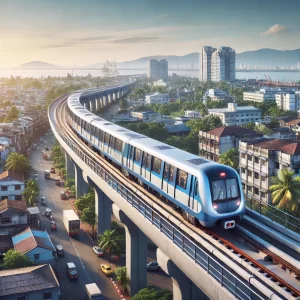
In recent years, urban transport systems across India have been undergoing a significant transformation. Among these, the Kochi Metro stands out as a beacon of innovation, sustainability, and smart city development. As traffic congestion, air pollution, and carbon emissions continue to plague Indian cities, Kochi Metro’s green initiatives are reshaping urban mobility in an eco-friendly direction.

In this blog post, we delve into how Kochi Metro is pioneering green urban mobility, exploring the eco-friendly features, sustainable design, and community-driven vision that make it a model for other cities to follow.


A Smart and Sustainable Urban Transport System

Launched in 2017, Kochi Metro Rail Limited (KMRL) is not just a mode of public transportation—it’s a vision for the future. Built with sustainability and inclusivity in mind, Kochi Metro integrates green urban transport solutions that reduce carbon emissions and support long-term environmental goals.

One of the core components of Kochi Metro’s strategy is its commitment to renewable energy. The metro is powered significantly by solar energy, reducing dependence on fossil fuels. In fact, Kochi Metro aims to become the first metro system in India to be fully solar-powered, setting a new benchmark for sustainable public transport.


Use of Solar Power:

One of the key reasons why Kochi Metro is making headlines is its ambitious solar energy initiative. In partnership with the Agency for Non-conventional Energy and Rural Technology (ANERT) and other renewable energy bodies, the metro network has installed solar panels on the rooftops of metro stations, depots, and even parking areas.

Currently, around 35% of Kochi Metro’s power needs are met through solar energy, and the goal is to achieve 100% solar reliance in the near future. This bold move not only helps reduce electricity costs but also significantly lowers the system’s carbon footprint, making it one of the greenest metro systems in India.


Water Conservation and Eco-Friendly Infrastructure:

Beyond energy efficiency, Kochi Metro has adopted sustainable practices in water management. Most metro stations are equipped with rainwater harvesting systems, which collect and store rainwater for reuse. This helps in replenishing groundwater and reduces dependency on municipal water supply.

Moreover, the metro’s infrastructure incorporates green building standards. Many stations are designed to allow natural lighting and ventilation, thereby cutting down on energy consumption. The use of eco-friendly construction materials further reduces the environmental impact of urban development.


Promoting Non-Motorized Transport (NMT):

Another significant stride Kochi Metro has taken is in promoting non-motorized transport options such as walking and cycling. The metro has developed last-mile connectivity solutions, including cycle-sharing systems and pedestrian-friendly infrastructure.

By integrating footpaths, cycle tracks, and feeder services, KMRL ensures that commuters can complete their journeys without relying on personal vehicles. This approach encourages reduced car usage, thereby minimizing road congestion and pollution.

Additionally, Kochi Metro was the first in India to introduce bicycle rental kiosks at multiple stations, which makes eco-commuting more convenient and attractive to the public.


Inclusivity and Social Sustainability

Kochi Metro’s green urban mobility vision also includes a strong focus on social sustainability. In a unique initiative, the metro system employs members from transgender communities, making it India’s first public transport system to provide inclusive employment opportunities.

Not only does this foster social equity, but it also highlights how sustainable development is not just about environmental conservation, but also about empowering communities and promoting social cohesion.


Integration with Water Metro: A Multi-Modal Green Transport System

One of the most revolutionary aspects of Kochi Metro’s development is its integration with the Kochi Water Metro, India’s first-ever water-based metro system. This project uses electric hybrid boats to connect various islands to the mainland, offering a clean and energy-efficient alternative to traditional ferry systems.

By merging land and water-based transport, Kochi is setting a global example of a multi-modal green urban mobility system. Commuters can seamlessly transfer between metro trains and electric boats, making daily travel more efficient and less polluting.


Digital Solutions for Efficiency and Convenience

The metro system also harnesses smart technology to optimize energy usage and improve commuter experience. Features such as contactless ticketing, mobile apps, and real-time train tracking reduce paper waste and enhance operational efficiency.

Moreover, Kochi Metro’s command and control center monitors train operations, energy use, and security systems in real time. This ensures the smart management of resources, leading to reduced operational costs and improved environmental performance.


Educating the Public on Sustainable Living

KMRL understands that true sustainability can only be achieved when the community is actively involved. That’s why Kochi Metro frequently conducts public awareness campaigns on environmental protection, waste segregation, and sustainable commuting practices.

By educating citizens and engaging them in green initiatives, Kochi Metro fosters a culture of environmental consciousness, encouraging people to make more sustainable lifestyle choices.


Setting an Example for Indian Cities

The success of Kochi Metro is not just a local story—it’s a blueprint for other Indian cities looking to modernize their urban transport systems in an eco-friendly way. With its solar energy initiatives, water conservation efforts, multi-modal integration, and commitment to inclusivity, Kochi Metro is showing how green mobility can be both practical and scalable.

Cities like Delhi, Bengaluru, and Mumbai are already studying Kochi’s model to incorporate similar sustainable practices in their metro systems. As climate change continues to pose a threat to urban living, the need for eco-friendly public transportation becomes increasingly urgent.


Conclusion: Kochi Metro—Driving the Future of Green Urban Mobility

To sum it up, Kochi Metro is more than just a metro—it’s a movement toward green urban mobility in India. Through solar energy, water conservation, inclusive employment, and integration with the Kochi Water Metro, it offers a sustainable and socially responsible alternative to conventional urban transport.

As we move towards a greener future, the initiatives taken by Kochi Metro provide a clear roadmap for sustainable city living. If other cities follow suit, India could very well emerge as a global leader in eco-friendly urban transportation.


SEO Keywords Used:

  • Kochi Metro

  • green urban mobility

  • sustainable public transport

  • eco-friendly metro systems

  • solar-powered metro

  • green transport in India

  • smart city Kochi

  • renewable energy public transport

  • last-mile connectivity

  • non-motorized transport

  • urban mobility solutions

Let me know if you’d like this formatted for a specific website or blog platform like WordPress, Medium, or for a travel or environmental publication!

Kochi’s Digital Infrastructure: Building a Smart City

In an age where technology shapes the way we live, work, and travel, cities across the globe are racing to become smarter, more connected, and more efficient. Kochi, the bustling port city of Kerala, is no exception. Often known for its rich heritage, scenic backwaters, and vibrant culture, Kochi is now making headlines for a different reason—its bold strides in digital infrastructure and smart city innovations.

But what exactly is a smart city? And how is Kochi leveraging digital tools to improve urban life? Let’s explore how Kochi is transforming itself into a future-ready city powered by intelligent systems and citizen-centric governance.

What Is Digital Infrastructure?

To put it simply, digital infrastructure is the digital backbone of a smart city. It consists of high-speed internet, data centers, integrated platforms, sensors, mobile apps, and intelligent technologies that help manage everything from traffic and energy to health services and public safety.

In Kochi’s case, this infrastructure includes:

  • Public Wi-Fi and broadband connectivity

  • Smart traffic signals and digital transport apps

  • Online public services (e-governance)

  • IoT-enabled utilities and waste management

  • Smart surveillance and safety systems

Together, these tools improve the quality of life while making urban administration more transparent and efficient.


Kochi’s Smart City Mission: An Overview

Under the Smart Cities Mission by the Government of India, Kochi was among the first cities to be selected for transformation. Since then, the city has been actively implementing technology-driven solutions to address urban challenges like congestion, waste management, and service delivery.

Moreover, Kochi’s strategic position as Kerala’s commercial capital, its tech-savvy population, and strong government support have created the ideal environment for smart city innovation.


Key Components of Kochi’s Digital Infrastructure

Let’s break down the pillars that form Kochi’s digital ecosystem.


1. Public Wi-Fi and Broadband Networks

Digital inclusion begins with connectivity. Kochi has rapidly expanded its fiber-optic network, providing high-speed internet access to public institutions, business hubs, and residential areas.

Furthermore, free public Wi-Fi hotspots have been introduced at key locations such as:

  • Marine Drive promenade

  • Kochi Metro stations

  • KSRTC bus terminals

  • Ernakulam railway station

This helps bridge the digital divide, allowing students, workers, and tourists to access the internet on the go.


2. Smart Transportation and Traffic Control

One of the standout features of Kochi’s smart transformation is its digitally integrated transport system.

  • Intelligent Traffic Management Systems (ITMS): These systems use AI and real-time data from cameras and sensors to regulate traffic flow, reduce congestion, and detect violations.

  • Unified Travel Card (Kochi1 Card): This single smart card can be used across the Kochi Metro, Water Metro, and buses, making travel seamless and cashless.

  • Mobile Travel Apps: Real-time updates, journey planning, and digital ticketing are now just a tap away.

Moreover, smart parking systems help citizens find parking slots in busy areas, saving time and reducing fuel waste.


3. E-Governance and Online Civic Services

Digital governance is central to any smart city, and Kochi excels here too. Through the Smart City e-Governance Portal, residents can:

  • Pay utility bills and property taxes online

  • Apply for trade licenses and building permits

  • Lodge grievances and track complaints

  • Access local body documents and certificates

Besides, the city’s Integrated Command and Control Centre (ICCC) aggregates data from various sources and enables quick decision-making during emergencies or service failures.


4. IoT-Enabled Utilities and Environmental Monitoring

Kochi is embracing IoT (Internet of Things) technology to optimize its use of resources and enhance sustainability.

  • Smart Water Meters: Help detect leaks and reduce water waste

  • Sensor-Based Waste Bins: Notify cleaning staff when full

  • LED Smart Street Lighting: Automatically adjusts based on foot traffic and natural light

  • Pollution Sensors: Monitor air and water quality in real time

These technologies ensure that city resources are used efficiently, helping Kochi move toward a greener and more sustainable future.


5. Smart Surveillance and Public Safety

Safety is a core component of any smart city. In Kochi:

  • CCTV cameras with facial recognition and motion detection are installed in public areas

  • Automated license plate recognition helps track traffic offenders

  • Emergency panic buttons and smart lights are being introduced in key public spaces

These measures enhance both citizen safety and crime prevention.


6. Startups and Digital Innovation Ecosystems

Kochi’s digital transformation is also being driven by its booming startup culture. With institutions like Kochi Infopark, Kerala Startup Mission (KSUM), and the Technology Innovation Zone in Kalamassery, the city is fostering new-age digital solutions.

Interestingly, Kochi is also home to India’s first commercial underwater drone and unmanned marine vehicle startups, serving industries such as:

  • Defense (with clients like DRDO and Indian Coast Guard)

  • Energy (working with Adani, Tata, BPCL)

  • Infrastructure (for underwater inspections of tunnels and pipelines)

These ventures highlight how Kochi’s digital prowess goes beyond land—deep into the sea.


How It Benefits Kochiites

The impact of digital infrastructure on daily life is clear:

  • Faster public service delivery

  • Reduced commuting time and travel stress

  • Improved access to education and e-learning

  • More job opportunities in the tech and startup sectors

  • A cleaner and safer urban environment

For businesses, it means greater ease of doing business, better logistics, and access to a highly connected marketplace.


Sustainable and Inclusive Vision

However, smart development must be inclusive. Kochi’s vision ensures that:

  • Marginalized communities get digital literacy support

  • Women and senior citizens can access online public services easily

  • Rural-urban gaps in connectivity are minimized

Moreover, green mobility solutions, rainwater harvesting, and solar energy adoption are part of the broader goal of creating a low-carbon, climate-resilient city.


What’s Next for Kochi?

Looking ahead, Kochi plans to:

  • Expand 5G networks across the city

  • Use AI and big data for city planning

  • Launch more citizen-centric mobile platforms

  • Advanced telemedicine and online health monitoring

  • Fully integrate electric mobility and smart water transport

With continued investment and innovation, Kochi is on track to become one of India’s most advanced urban centers.


 Final Thoughts

In conclusion, Kochi’s digital infrastructure is not just about technology—it’s about building a smarter, cleaner, safer, and more inclusive city. By using intelligent systems to manage resources, improve governance, and empower citizens, Kochi is setting an example for smart city development across India.

From Wi-Fi hotspots to AI-powered traffic lights, from e-governance to marine tech startups, Kochi is proving that when digital vision meets action, the future doesn’t have to wait.

Innovation From the Sea: Marine Startups in Kochi

Is it innovation, coastal ingenuity, or a powerful blend of both? Kochi, the vibrant port city of Kerala, is steadily becoming India’s blue tech hub, thanks to a growing number of marine startups rooted in deep technology, robotics, and ocean science. From autonomous underwater vehicles to data-driven maritime solutions, these companies are transforming how we explore, manage, and conserve marine resources.

One such standout success story is EyeROV, a Kochi-based deep-tech startup that is redefining India’s position in the global marine technology arena.


Why Kochi Is Emerging as a Marine Innovation Hub

Kochi’s strategic coastal location, long maritime history, and access to premier research institutions like the Cochin University of Science and Technology (CUSAT) and National Institute of Ocean Technology (NIOT) make it a natural breeding ground for marine startups. Moreover, the state’s proactive support for entrepreneurship through initiatives like Kerala Startup Mission (KSUM) and Maritime Cluster projects further bolsters the region’s capacity for innovation.

Besides, the presence of the Cochin Shipyard, one of India’s leading shipbuilding and maintenance centers, offers unique collaborative opportunities for startups working in ocean technology, underwater inspection, and naval defense solutions.


EyeROV: Kochi’s Deep-Tech Trailblazer

Among the marine startups thriving in Kochi, EyeROV stands out as a beacon of innovation. Founded in 2016 by IIT alumni Johns T Mathai and Kannappa Palaniappan P, EyeROV is India’s first company to commercially develop and deploy underwater drones—also known as ROVs (Remotely Operated Vehicles).

These underwater drones are transforming how critical underwater inspections are conducted across multiple sectors. Whether it’s a dam in the Himalayas, a pipeline under the Arabian Sea, or coastal infrastructure in the Middle East, EyeROV’s machines are making once-risky tasks faster, safer, and more accurate.


Specialized Capabilities That Set EyeROV Apart

What truly sets EyeROV apart is its technological versatility and industry-specific applications. The company has also developed Unmanned Surface Vehicles (USVs), which are already being used in India and the MENA (Middle East and North Africa) region.

Their systems are capable of:

  • Inspecting long tunnels and pipelines with advanced imaging and analytics

  • Operating in high-pressure underwater environments

  • Integrating specialized payloads for diverse tasks like sonar mapping, sediment sampling, and data relay

These cutting-edge features make EyeROV’s products ideal for industries such as:

  • Energy – offshore oil rigs, hydropower dams

  • Maritime – ship hull inspections, dock maintenance

  • Defense – naval infrastructure surveys

  • Infrastructure – bridges, pipelines, and underwater cable assessments


Investing in R&D and Scalable Innovation

Perhaps what’s most impressive about EyeROV is its laser-sharp focus on R&D. By building precision-engineered unmanned technologies, the startup has created differentiated solutions validated in the Indian market and beyond.

The company recently raised ₹10 crore ($1.2 million) in Pre-Series A funding, led by Unicorn India Ventures. This funding will help EyeROV scale its R&D, operations, and international sales, with plans to expand further into the oil & gas, infrastructure, and defense sectors.

Moreover, EyeROV has ambitious plans to triple its revenue by the end of this financial year. The startup is already working with high-profile clients like:

  • Tata Group

  • Adani Group

  • BPCL (Bharat Petroleum)

  • DRDO (Defence Research and Development Organisation)

  • Indian Coast Guard

Such strong industry ties highlight the practical relevance and commercial viability of marine innovation emerging from Kochi.


Kochi’s Expanding Blue Economy Landscape

Besides EyeROV, Kochi’s marine startup ecosystem is witnessing growth in areas like:

  • Aquaculture tech

  • Coastal mapping and climate resilience tools

  • Maritime logistics

  • Ocean data analytics

Startups are now leveraging technologies such as AI, Internet of Things (IoT), blockchain, and satellite imaging to solve persistent challenges in marine resource management, disaster mitigation, and sustainable fishing.

Furthermore, initiatives such as the Kerala Maritime Board’s cluster development program and collaborations with international agencies are nurturing this next wave of ocean-based innovation.


How Infrastructure Is Fueling the Ecosystem

However, innovation doesn’t happen in isolation. Kochi’s modern infrastructure plays a key role in accelerating the growth of marine startups. The city’s smart urban planning, robust public transport (including metro and water metro), and connectivity to global shipping routes via the Port of Kochi make it a logistically advantageous location for marine operations.

Additionally, the presence of world-class incubation spaces at Technology Innovation Zone (TIZ) in Kalamassery offers startups like EyeROV access to labs, prototyping facilities, and mentor networks.


A Boon for Kerala’s Economy

Marine startups in Kochi are not just innovating—they’re also creating high-value employment, attracting foreign investment, and enhancing India’s strategic capabilities in maritime defense and infrastructure development.

Moreover, by exporting deep-tech solutions to international markets, these startups are putting Kochi on the global innovation map and contributing meaningfully to India’s blue economy vision.


What Lies Ahead?

As climate change reshapes coastlines and demand for sustainable marine technologies grows, the world will increasingly look to cities like Kochi for leadership in this space.

With a strong pipeline of talent, a collaborative ecosystem, and proven innovation success stories like EyeROV, Kochi is poised to become South Asia’s leading marine tech hub.


Final Thoughts

In conclusion, Kochi’s marine startup ecosystem is a shining example of how coastal cities can lead in 21st-century innovation. Companies like EyeROV prove that deep-tech innovation from the sea can not only solve global challenges but also spark local economic transformation.

So, whether you’re an investor, entrepreneur, or policymaker, one thing is clear: all eyes should be on Kochi—where the future of marine innovation is already underway.


The Role of Kochi in Kerala’s Tourism Renaissance

As one of India’s fastest-growing urban destinations, Kochi is not just a city—it’s an experience. Whether you’re an adventure seeker, a culture lover, or a business traveler, Kochi offers something for everyone. Over the years, it has emerged as the beating heart of Kerala’s tourism renaissance, blending tradition with innovation in ways few places can match.

Situated along the scenic coastline of the Arabian Sea, Kochi (also known as Cochin) is a vibrant gateway to “God’s Own Country.” From cultural and heritage tourism to medical, recreational, and culinary travel, the city’s diverse offerings have made it the number one tourism destination in Kerala.


A Dynamic Tourism Hub for All Interests

1. Cultural and Heritage Tourism

To begin with, Kochi is steeped in history. Its streets whisper tales of colonial influence, with traces of Portuguese, Dutch, and British eras still visible today. Fort Kochi and Mattancherry remain two of the most iconic heritage attractions, attracting thousands of domestic and international visitors each year.

  • Fort Kochi is renowned for its Chinese fishing nets, St. Francis Church, and colonial-era buildings that capture the charm of a bygone era.

  • Mattancherry Palace (Dutch Palace) and Jew Town offer a unique blend of Jewish and Kerala architecture, traditional spice markets, and antique stores.

These neighborhoods transform every walk into a cultural journey through time, making Kochi the cultural capital of Kerala tourism.


2. Medical and Wellness Tourism

Thanks to its world-class hospitals and wellness centers, Kochi has also become a major hub for medical tourism in Kerala. Many international travelers visit the city for affordable treatments, ranging from cardiac surgeries and orthopedics to Ayurvedic therapies and rejuvenation programs.

Specialized hospitals with international accreditations, well-trained staff, and English-speaking doctors have made the city a preferred destination for healthcare and holistic wellness.


3. Backwater and Eco-Tourism

When one thinks of Kerala, backwaters are often the first image that comes to mind. While Alleppey is famous for its houseboats, Kochi too plays a vital role in backwater tourism.

  • Marine Drive, Kadamakudy islands, and Vypin Island offer tranquil backwater experiences right within city limits.

  • Eco-friendly resorts, kayaking trails, and birdwatching spots are drawing nature lovers and sustainability-focused tourists in increasing numbers.

This growing eco-tourism segment in Kochi promotes responsible travel while highlighting the city’s stunning biodiversity.


4. Culinary Tourism

Kochi is a paradise for food lovers. It boasts a rich and diverse culinary culture, from traditional Kerala sadya to seafood delicacies and global cuisine.

  • Restaurants in Fort Kochi serve authentic Kerala dishes with a historical twist, while café-lined streets offer everything from fusion dishes to organic bites.

  • Food tours and cooking classes have become a trend, offering travelers a taste of Kerala’s spice-laden culinary heritage.

Thus, Kochi proudly stands as the culinary capital of Kerala, feeding both the body and the soul.


5. Camping and Birdwatching

For those seeking the thrill of the outdoors, Kochi offers surprising adventures just beyond the city’s bustle. Mangalavanam Bird Sanctuary, located in the heart of Kochi, is home to several migratory and resident bird species, making it ideal for birdwatching enthusiasts.

A short drive away from the city, Thattekad Bird Sanctuary and eco-camping sites near Bhoothathankettu offer immersive experiences in nature, perfect for weekend getaways.


6. Entertainment and Recreational Tourism

Kochi offers plenty of entertainment options for tourists of all ages. From cinema multiplexes and amusement parks to art galleries and live performances, the city never sleeps when it comes to fun.

  • The Kochi-Muziris Biennale, one of Asia’s largest contemporary art festivals, has placed Kochi on the global arts tourism map.

  • Meanwhile, the Wonderla Amusement Park, Oberon Mall, and Lulu Mall (India’s largest shopping mall) offer recreational opportunities for both families and solo travelers.


7. Business and MICE Tourism

Kochi’s well-developed infrastructure makes it a natural choice for MICE tourism (Meetings, Incentives, Conferences, and Exhibitions). With multiple five-star hotels, convention centers, and coworking spaces, Kochi hosts a growing number of business events and international summits.

Its strategic location, international airport, and excellent connectivity by metro rail and water metro services have helped position it as Kerala’s business tourism hotspot.


8. Agri-Tourism and Rural Experiences

Kochi’s surroundings include lush villages and farmlands that are ideal for agri-tourism. Here, visitors can:

  • Stay in traditional farmhouses

  • Participate in organic farming

  • Learn about local spice cultivation, paddy harvesting, and coconut tapping

This unique blend of rural charm and hands-on experience gives travelers a chance to connect with Kerala’s agricultural heritage.


9. Domestic Tourism – Kochi’s All-Round Appeal

Kochi’s diversity ensures it appeals to all types of domestic travelers:

  • Youngsters and couples enjoy the coastal cafes, island getaways, and nightlife.

  • Families find comfort in resorts and cultural shows.

  • Elderly travelers appreciate spiritual sites like Chottanikkara Temple and Ernakulam Shiva Temple.

  • Students and budget travelers flock to its homestays and backpacker hostels.

In essence, Kochi caters to every budget, every age group, and every interest, making it the number one city for domestic tourism in Kerala.


Smart Infrastructure Elevating Kochi’s Tourism Game

One cannot overlook the city’s infrastructure that supports this tourism boom:

  • The Kochi Metro Rail connects major spots quickly and affordably.

  • The Water Metro, a first-of-its-kind in India, links islands and mainland, making backwater tourism seamless.

  • Wide road networks, well-maintained highways, international airport, and ferry services all contribute to making Kochi one of the best-connected cities in South India.

Furthermore, luxury resorts, eco-retreats, boutique hotels, and budget accommodations ensure there’s a place to stay for everyone. Combined with top-rated restaurants and shopping malls, Kochi ensures a comfortable, engaging, and unforgettable stay.


Conclusion: Kochi—The Crown Jewel of Kerala Tourism

Kochi isn’t just contributing to Kerala’s tourism renaissance — it is leading it. With its unique ability to blend history, culture, nature, business, and modernity, Kochi stands tall as the most dynamic, inclusive, and rewarding destination in Kerala.

So whether you’re a heritage explorer, wellness seeker, foodie, birder, entrepreneur, or just a curious traveler, Kochi welcomes you with open arms and endless experiences.

Top Hiking Getaways Near Kochi for Techies

Is it a solo trip, an outing with friends, or a bonding time with family? No matter the company you choose, one thing is certain — escaping the buzzing of smartphones and glowing screens is a must for every techie. With hectic schedules, tight deadlines, and long hours behind a desk, professionals in Kochi’s growing tech scene often yearn for a break. Luckily, the lush landscapes surrounding the city offer the perfect solution.

Whether you’re in the mood for misty mountains, coastal walks, forest trails, or tranquil valleys, Kochi’s proximity to nature makes it easy to unwind over a weekend. In this guide, we’ll explore the top hiking getaways near Kochi that are perfect for recharging your mind, body, and spirit — all from a tourist’s perspective.


1. Munnar – Rolling Tea Hills and Cloud-Kissed Peaks

Just about 4-5 hours from Kochi, Munnar is a quintessential hill station tucked in the Western Ghats. Its vast tea plantations, cool breezes, and majestic views make it one of the best weekend hiking destinations in Kerala.

Things to Do:

  • Meesapulimala Trek – South India’s second-highest peak, offering a challenging yet rewarding hike.

  • Kolukkumalai Sunrise Trek – Begin before dawn and witness the sun rise over a sea of clouds.

  • Tea Museum Visit – Learn about the history and processing of tea in the region.

Perfect For: Solo travelers seeking solitude, couples looking for romantic getaways, and friends eager for an adventure.

Travel Tip: Opt for local homestays for an immersive experience and early morning trail access.


2. Vagamon – Underrated Hill Escape

Often called Kerala’s best-kept secret, Vagamon lies about 100 km from Kochi and offers a peaceful alternative to more commercial hill stations. Think rolling meadows, pine forests, and soft, foggy landscapes that feel straight out of a dream.

Things to Do:

  • Hike Murugan Hill and Kurisumala – These twin hills provide both spiritual and panoramic trekking routes.

  • Paragliding – Yes, Vagamon is one of the few places in South India where you can soar over lush hills.

  • Explore the Vagamon Pine Forest – Ideal for nature photography and calm nature walks.

Perfect For: Families and beginners looking for easy-to-moderate hikes with great views.


3. Athirappilly – Trekking Through Waterfalls and Rainforests

Known as the “Niagara of India,” Athirappilly Falls is just about 70 km from Kochi, and it’s more than just a place to admire cascading water — it’s a hub for short forest hikes and refreshing nature walks.

Things to Do:

  • Athirappilly-Vazhachal Trek – Walk through the Sholayar reserve forest for stunning views of rivers and falls.

  • Charpa Falls – Especially beautiful during monsoon season, it’s a short trek perfect for a day trip.

  • River Picnic – Set up a picnic along the Chalakudy River and enjoy Kerala-style packed meals.

Perfect For: Families and groups of friends, especially during or just after the monsoon.


4. Illikkal Kallu – A Quick Climb with Stunning Views

Want a rewarding view without a full-day commitment? Just 60 km from Kochi, Illikkal Kallu is a rocky hill formation that’s become popular for short hikes and Instagram-worthy views.

Things to Do:

  • Trek to the summit – A brisk 2-3 km uphill hike leads to panoramic vistas.

  • Capture breathtaking photos – The mist-covered rocks and dramatic cliffs are incredibly photogenic.

  • Sunset Viewing – Perfect timing turns the rock face golden-orange during twilight.

Perfect For: Solo travelers, photography lovers, and couples looking for a short but scenic hike.


5. Thattekad – Birdsong and Gentle Trails

For those who want a calm and educational hike, Thattekad Bird Sanctuary is ideal. Located just an hour from Kochi, it’s a haven for bird watchers and peaceful walkers.

Things to Do:

  • Hike through the sanctuary – Explore well-marked trails that take you through lush forest.

  • Spot rare species – Look for the Malabar Grey Hornbill, Frogmouths, and kingfishers.

  • Bhoothathankettu Reservoir Trail – A calm riverside walk with forest views and mythological lore.

Perfect For: Families with kids, bird lovers, and solo hikers looking for nature immersion.


6. Idukki – Misty Valleys and Eco Trails

A little farther out, at around 110 km from Kochi, Idukki is a land of mountains, valleys, and green cover — the kind of place where time slows down.

Things to Do:

  • Ramakkalmedu Trek – Climb up to Kerala’s wind corridor and take in epic views.

  • Calvary Mount Eco Trail – Overlook the Idukki Reservoir while hiking through gentle, green hills.

  • Boating at Kulamavu – After your trek, unwind on a peaceful boating session.

Perfect For: Techies craving a full digital detox. Network coverage is low — and that’s a feature, not a bug!


7. Marari Beach – Seaside Strolls and Relaxed Vibes

If hills aren’t your thing, Marari Beach is just about 60 km from Kochi, offering an unusual yet rejuvenating form of “hiking” — coastal walking.

Things to Do:

  • Walk the beach trail – From Mararikulam to Arthunkal, explore sandy paths, backwaters, and fishing villages.

  • Yoga on the beach – Many resorts offer guided yoga sessions at sunrise.

  • Cultural exploration – Visit local coir-making units and sample Kerala seafood.

Perfect For: Couples, solo travelers seeking serenity, or families wanting a slow-paced getaway.


Why These Spots Are Ideal for Techies

Techies often spend their week immersed in code, emails, and deadlines. These hiking destinations near Kochi offer:

  • Physical activity that counteracts sedentary work life

  • Mental relaxation through scenic surroundings

  • Quality time with friends and family, away from distractions

  • Reboot for creativity and focus on returning to work

Whether it’s a solo journey into the misty hills of Munnar or a relaxed family weekend in Vagamon, these destinations are accessible, affordable, and refreshing.

Final Thoughts: Step Out, Breathe In

The landscapes around Kochi are not just beautiful — they’re healing. They give techies the chance to breathe cleaner air, walk under tree canopies, dip toes in streams, and feel grounded again. So the next time your screen feels overwhelming, lace up your shoes, pick a direction, and follow the trail.

Be it hills, beaches, or forests — a refreshing escape is just a drive away.

AI for Traffic Management: How Kochi Is Using Smart Tech

Kochi, Kerala’s vibrant port city, is fast becoming a national model for smart traffic management. As Indian cities grapple with growing congestion, rising vehicle numbers, and the need for efficient urban mobility, Kochi has taken a bold step forward by embracing artificial intelligence (AI) to streamline traffic, enhance safety, and improve the overall commuter experience.

Through the integration of advanced technologies like the Intelligent Traffic Management System (ITMS) and the Intelligent City Surveillance System (ICSS), Kochi is not just managing traffic — it’s redefining how urban mobility should work in the 21st century.


AI Is Steering Kochi’s Smart Traffic Revolution

At the heart of this transformation is AI-based traffic automation, which is enabling city authorities to make real-time, data-driven decisions. With over 80 AI-enabled traffic cameras installed at key junctions across Kochi, the system detects and identifies violations such as:

  • Red light jumping

  • Speeding

  • Helmetless riding

  • Wrong-way driving

  • Unauthorized lane changes

These cameras are equipped with automatic number plate recognition (ANPR), allowing violators to be instantly flagged, documented, and issued e-challans without human intervention. This zero-contact enforcement ensures greater efficiency, fairness, and transparency.

The footage is monitored 24/7 by trained personnel in a central control room, ensuring continuous vigilance and rapid response to incidents. This round-the-clock surveillance is critical in a dynamic urban environment where real-time awareness can prevent accidents and save lives.


ICSS: A City-Wide Eye on Public Safety

Complementing the ITMS is the Intelligent City Surveillance System (ICSS), one of the most ambitious smart city surveillance projects in India. Managed by Cochin Smart Mission Limited (CSML), ICSS boasts a network of 336 high-definition AI cameras placed in key areas across the city.

What makes ICSS stand out is its ability to:

  • Operate seamlessly both day and night

  • Cover high-footfall areas like public parks, bus stands, and markets

  • Monitor criminal activity and crowd movement

  • Assist in lost person tracking and law enforcement

All feeds are transmitted to a state-of-the-art command center in Kaloor, where AI algorithms assist officers in identifying anomalies and generating alerts automatically. This not only deters crime but also enhances emergency preparedness and citizen security.


Dynamic Signal Timing: A Smarter Way to Manage Congestion

One of Kochi’s most innovative features is its AI-powered adaptive signal system. Traditional traffic lights operate on fixed timers, often leading to delays during peak hours or wastage during light traffic. Kochi’s new system solves this using dynamic timing technology.

Here’s how it works:

  • AI cameras gather real-time traffic density data at intersections

  • The system automatically adjusts red and green light durations

  • Signal time is extended or shortened based on actual vehicle volume

This ensures maximum road throughput, reducing wait times and fuel consumption. It’s a sustainable and intelligent solution that improves efficiency while cutting down on carbon emissions — a crucial step toward greener urban living.


Emergency Call Boxes: Instant Public Access to Police Support

To empower citizens in times of crisis, emergency call boxes have been installed at multiple city locations. These boxes allow individuals to connect directly with the police at the touch of a button.

Whether someone witnesses an accident, feels unsafe, or needs urgent help, the call boxes provide an immediate line of communication with the control room. They are especially helpful in non-digital emergencies where mobile phones may be inaccessible or dead.

This system strengthens public trust in local governance and ensures help is never out of reach.


Public Address System: Real-Time Citizen Engagement

Kochi’s traffic management infrastructure also includes a public address (PA) system, allowing authorities to make announcements in real-time. From traffic advisories and accident alerts to emergency warnings or public event notifications, the PA system is a vital communication tool.

Integrated with the AI surveillance network, announcements can be made proactively when irregular patterns are detected — such as crowd surges, bottlenecks, or vehicle breakdowns.

This feature not only keeps commuters informed but also enhances overall safety and coordination during city-wide events or emergencies.


A Smart Control Room: The City’s Command Center

All these technologies converge in a centralized AI-powered command center in Kaloor. Staffed 24/7 by police and surveillance teams, the control room receives real-time feeds from ITMS and ICSS systems and allows officers to:

  • View live city-wide visuals

  • Issue automated or manual traffic signal adjustments

  • Dispatch emergency services when needed

  • Monitor crowd behavior and public safety concerns

With AI doing the heavy lifting in terms of monitoring, analysis, and alert generation, officers can focus on swift decision-making and intervention, instead of being bogged down by routine tasks.


Broader Impact: Beyond Traffic and Into Urban Planning

Kochi’s smart traffic and surveillance infrastructure also opens doors for data-driven urban development. The insights gathered from these AI systems can help:

  • Identify accident-prone zones

  • Understand commuter behavior

  • Plan future flyovers, pedestrian paths, or public transport routes

  • Assess infrastructure gaps in real-time

This positions Kochi not just as a smart traffic city, but as a smart urban planning model for other Indian metros.


Challenges and the Road Ahead

While the system is proving highly effective, challenges remain:

  • Ensuring privacy and ethical data usage

  • Scaling up to suburban and rural traffic points

  • Regular maintenance of camera infrastructure

  • Citizen awareness and adaptation to AI enforcement

However, with strong administrative support and public cooperation, these hurdles can be overcome. The future holds possibilities such as:

  • AI-powered predictive traffic modeling

  • Integration with weather data for monsoon-specific planning

  • AI-based facial recognition for missing persons or criminals

  • Autonomous drone surveillance in case of road accidents or floods


Conclusion: Kochi’s Bold Step Toward a Smarter, Safer City

In just a few years, Kochi has leapfrogged from manual traffic policing to AI-powered urban intelligence. With its seamless integration of AI traffic cameras, dynamic signals, ICSS surveillance, emergency boxes, and public communication systems, Kochi is not just solving today’s traffic problems — it’s building the blueprint for future-ready urban ecosystems.

As more Indian cities look toward modernization, Kochi stands out as a lighthouse of innovation, safety, and citizen-focused governance. With continued upgrades and public involvement, the city is well on its way to becoming one of India’s most livable and intelligently managed urban centers.


Top Cultural Events in Kochi That Blend Tech and Tradition

Kochi, a coastal gem in Kerala, is celebrated not only for its scenic backwaters and colonial architecture but also for its dynamic cultural scene. What makes this city truly unique is its ability to seamlessly blend age-old traditions with cutting-edge technology. From world-renowned biennales to tech-savvy temple festivals, Kochi’s cultural events are becoming remarkable platforms for innovation and heritage to co-exist. This article explores the top cultural events in Kochi that fuse technology and tradition, highlighting why Kochi is emerging as a creative hub for cultural convergence.

Kochi-Muziris Biennale: Art Meets Digital Innovation

Arguably the most significant cultural event in South India, the Kochi-Muziris Biennale is an international exhibition of contemporary art held every two years. Since its inception in 2012, the Biennale has not only revived Kochi’s cultural heritage but also embraced technological mediums like video art, virtual reality installations, digital projections, and interactive exhibits.

Held across historic locations such as Aspinwall House and Pepper House, the event invites artists from across the globe to experiment with digital storytelling while paying homage to Kerala’s rich traditions. Transitioning from traditional canvases to tech-integrated installations, the Biennale perfectly showcases how modern technology enhances cultural narratives.

Onam Celebrations with a Tech Twist

Onam, Kerala’s state festival, is a massive celebration in Kochi, featuring grand parades, Kathakali performances, boat races, and floral carpets (Pookalam). While rooted in mythology and tradition, recent Onam celebrations in Kochi have integrated technology to enhance the festivities.

LED-lit floats during the Athachamayam procession in Tripunithura, live drone coverage of boat races, and digital Pookalam competitions hosted by tech firms highlight the creative blending of old and new. Additionally, augmented reality (AR) filters on social media platforms are now part of the celebration, allowing people worldwide to experience Onam virtually.

Cochin Carnival: Smart Celebrations

Taking place at Fort Kochi during the New Year, the Cochin Carnival is a vibrant cultural festival featuring dance, music, and theatrical performances. Over the years, the carnival has adopted smart city innovations like real-time visitor management systems, smart lighting, and waste monitoring technologies.

What makes this event a standout is its inclusive celebration of multiple cultures, infused with tech elements such as mobile apps for scheduling, QR-coded access, and sustainability analytics. This integration elevates the carnival experience while promoting Kochi as a future-ready cultural destination.

Biennale Tech Talks and Interactive Workshops

Apart from art exhibitions, the Biennale Foundation also hosts tech-infused cultural workshops and discussions, inviting creators, technologists, and cultural historians. Topics range from artificial intelligence in art to digital preservation of folklore, offering attendees a deeper understanding of how technology is transforming the cultural landscape.

Interactive sessions often feature tools like AR/VR headsets, 3D printing, and blockchain discussions for digital art ownership. These workshops are a testament to Kochi’s commitment to not just preserving, but evolving its culture through innovation.

Maker Fest Kerala: Grassroots Innovation Meets Tradition

An initiative aligned with the global Maker Movement, Maker Fest Kerala celebrates innovation at the grassroots level. Hosted in Kochi, the event showcases how artisans, engineers, and technologists are working together to modernize traditional crafts.

From 3D-printed versions of classical sculptures to AI-powered tools for traditional textile design, Maker Fest illustrates how local talent leverages technology to rejuvenate heritage. Live demonstrations, DIY sessions, and cultural-tech mashups make this event both educational and entertaining.

Vyttila Boat Festival: A Modern Revival

The Vyttila Boat Festival is a relatively new but rapidly popular cultural event in Kochi that revives the region’s love for traditional boat races with a modern outlook. Apart from competitive races, the festival incorporates GPS tracking of boats, drone-based video coverage, and real-time score updates via mobile apps.

This tech-savvy approach has attracted younger audiences while retaining the charm of Kerala’s traditional water sports. Moreover, the festival is often supported by educational institutions and local tech startups, highlighting the role of community in driving cultural-tech fusion in Kochi.

Tech Meets Temple: Thrissur Pooram Influence in Kochi

Although the grand Thrissur Pooram is celebrated in Thrissur, its influence extends to Kochi through temple festivals that blend tradition with tech. Events like the Ernakulam Shiva Temple festival feature traditional melams (drumming ensembles), fireworks, and caparisoned elephants, but also include projection mapping shows on temple walls and digital firework simulators for eco-conscious celebrations.

Live streaming on YouTube and interactive social media campaigns have enabled global participation, making these religious festivals more accessible and inclusive.

Digital Film Festivals: New Age Cultural Platforms

Kochi’s emergence as a filmmaking hub has led to the rise of digital film festivals, such as the Kochi International Short Film Festival. These events celebrate storytelling with strong cultural themes, supported by technological tools like drone cinematography, VFX, and streaming platforms.

Workshops held during these festivals educate participants on how to combine regional storytelling with global technology standards, empowering a new generation of creators to tell culturally rich stories in a digital format.

Smart Exhibitions at Kerala Museum and Folklore Theatre

Kochi’s commitment to cultural preservation extends to its museums. The Kerala Folklore Museum and Kerala Museum in Edappally now offer augmented reality tours, multilingual audio guides powered by AI, and interactive touchscreens.

These exhibitions demonstrate how even permanent cultural institutions can evolve with technology to remain relevant and engaging. Visitors, both local and international, get a richer experience, reinforcing Kochi’s reputation as a city where tradition embraces innovation.

Conclusion: Kochi – A Living Example of Culture-Tech Synergy

In conclusion, Kochi’s cultural events are no longer bound by traditional limitations. Instead, they thrive at the intersection of heritage and innovation. Whether it’s through an international art biennale or a local boat festival, Kochi proves that cultural richness and technological advancement can coexist harmoniously.

As the city continues to invest in smart city infrastructure, support tech startups, and preserve its vibrant traditions, the blend of tech and tradition will only grow stronger. For cultural enthusiasts, innovators, and tourists alike, Kochi offers an immersive journey into the future of cultural celebration.

Port of Kochi: Fueling India’s International Trade Network

Nestled along the southwestern coast of India, the Port of Kochi—also known as the Cochin Port—stands as a vital gateway for India’s maritime trade. Strategically located on the Arabian Sea in the state of Kerala, this port has evolved into a major player in India’s international trade network, handling a diverse range of cargo and fostering economic growth in the region.

In this article, we explore the significance, operations, infrastructure, and future prospects of the Port of Kochi, and how it continues to fuel India’s global commerce.


A Strategic Location: Gateway to Global Trade

The Port of Kochi enjoys a prime geographical location, making it an indispensable node in the global shipping route between Europe, the Middle East, and Southeast Asia. Located close to the international sea route passing through the Suez Canal, the port provides easy maritime access for cargo vessels, reducing transit time and operational costs.

Furthermore, its proximity to key Indian cities such as Bengaluru, Coimbatore, and Chennai enhances its strategic value as a trade and logistics hub in South India.


Historical Significance and Evolution

Historically known for its spice trade, Kochi has always played an important role in international commerce. The modern Cochin Port Trust was established in 1928 and has since transformed the harbor into a deep-water, all-weather port. Over the years, the port has evolved to include modern container terminals, oil terminals, and bulk cargo facilities, becoming one of the fastest-growing ports in India.

From a trading port frequented by Arab, Chinese, and European merchants to a key contributor in India’s maritime economy, the Port of Kochi’s evolution is a remarkable story of strategic development and foresight.


Key Features and Infrastructure

The infrastructure of the Port of Kochi is designed to handle a wide range of cargo with efficiency and speed. Key features include:

1. International Container Transshipment Terminal (ICTT) – Vallarpadam

Operated by DP World, the ICTT at Vallarpadam is India’s first dedicated transshipment terminal. With a capacity of over 1 million TEUs (Twenty-foot Equivalent Units), it has significantly boosted India’s position in global container shipping.

2. Ernakulam Wharf

This is the main port area that handles general and bulk cargo including coal, fertilizers, and break-bulk shipments. It is equipped with modern cranes and cargo-handling systems.

3. South Coal Berth and Q10 Berth

Designed to handle large coal shipments and liquid cargo, these berths are integral to powering South India’s energy and industrial sectors.

4. LNG Terminal

The Kochi LNG Terminal, operated by Petronet LNG, is a game changer. It enhances India’s energy security by importing liquefied natural gas, contributing to clean energy initiatives and reducing dependency on oil.

5. Cruise Terminal

Kochi is also a major stop on the international cruise circuit, with a modern cruise terminal that caters to thousands of tourists every year. This adds a tourism-based revenue stream to the port’s economic ecosystem.


Cargo and Trade Operations

The Port of Kochi handles a diverse mix of cargo, including:

  • Containerized cargo: Through Vallarpadam ICTT, the port manages large volumes of containers efficiently.

  • Petroleum, Oil, and Lubricants (POL): With its oil terminals, Kochi plays a significant role in India’s crude oil imports and refining.

  • Bulk cargo: Coal, cement, food grains, and fertilizers are major imports and exports.

  • LNG imports: Strengthening India’s energy infrastructure.

  • Coastal shipping: The port also supports domestic trade routes, promoting cost-effective and eco-friendly transportation.

These operations highlight the port’s versatility and economic importance, both at the national and international levels.


Connectivity and Hinterland Access

One of the major advantages of the Port of Kochi is its seamless connectivity to inland markets. The port is well connected by:

  • National Highways (NH-66, NH-544), allowing easy road transport to key industrial hubs.

  • Rail network that links it to southern India’s manufacturing zones.

  • Inland waterways and coastal shipping lanes, reducing pressure on road and rail networks.

This multi-modal connectivity ensures smooth cargo movement, making Kochi an attractive port for exporters and importers.


Economic and Employment Impact

The Port of Kochi is a major contributor to the Kerala economy and India’s broader trade infrastructure. It has created thousands of direct and indirect employment opportunities, from shipping and logistics to warehousing and customs.

Additionally, the port fosters industrial growth in the surrounding regions, including sectors like petrochemicals, shipbuilding, fisheries, and tourism. The presence of Cochin Shipyard, BPCL Kochi Refinery, and Infopark Kochi further enhances the port’s economic influence.


Digital Transformation and Sustainability

To remain competitive in the evolving global trade landscape, the Cochin Port Authority has embraced digital innovations such as:

  • E-Portals for documentation

  • RFID tracking for cargo and vehicle movement

  • Automated cargo handling systems

Moreover, sustainability is a top priority. The port has initiated green port practices including:

  • Shore power for berthed vessels

  • Solar-powered infrastructure

  • Efficient waste and pollution control systems

These steps underline the port’s commitment to being an eco-friendly and technologically advanced trade hub.


Challenges and Future Prospects

Despite its many advantages, the Port of Kochi faces challenges such as:

  • Competition from nearby ports like Tuticorin and Mangalore

  • Dredging requirements to maintain deep-draft navigation

  • Bureaucratic and policy delays in expanding infrastructure

However, several initiatives and investments are paving the way for future growth:

  • Expansion of the Vallarpadam terminal

  • Enhanced coastal shipping incentives

  • Improved road and rail connectivity under the Sagarmala Project

  • Attracting more transshipment cargo that currently goes to foreign ports like Colombo

If these projects are effectively executed, Kochi could emerge as a top maritime hub in the Indian Ocean region, driving not only Kerala’s but India’s maritime future.


Conclusion: A Port with Boundless Potential

The Port of Kochi is not just a maritime facility; it is a powerful engine of trade, commerce, and development. Its strategic location, modern infrastructure, diverse cargo handling capabilities, and commitment to sustainability make it an indispensable part of India’s international trade network.

As the world continues to globalize, and as India aims to become a $5 trillion economy, the Port of Kochi is poised to play an even more significant role. With the right investments and policies, it could very well become the Singapore of the Arabian Sea.

Exploring Kochi’s Growing Fintech Ecosystem

Kochi, traditionally known for its rich cultural heritage and scenic backwaters, is now making headlines for a different reason – its rapidly evolving fintech ecosystem. In recent years, the city has witnessed an impressive surge in financial technology innovation, attracting entrepreneurs, startups, and investors alike. As Kochi positions itself as one of India’s emerging fintech hubs, it is essential to understand the key drivers behind this growth, the major players involved, and the potential the city holds for the future of digital finance.

The Rise of Fintech in Kochi

While cities like Bengaluru, Mumbai, and Hyderabad have long dominated India’s fintech scene, Kochi is steadily catching up. With the support of state initiatives like Kerala Startup Mission (KSUM), improved digital infrastructure, and a highly educated population, the city is becoming a fertile ground for fintech ventures.

The increasing penetration of smartphones and internet connectivity has further boosted the demand for digital payment systems, mobile banking, and online investment platforms. As a result, Kochi is emerging as a hotbed for fintech startups in Kerala.

Government Support and Infrastructure

One of the significant catalysts for Kochi’s fintech boom is the proactive support from the government. Kerala Startup Mission, the nodal agency for entrepreneurship development in the state, has been instrumental in nurturing fintech innovation through:

  • Incubation centers like the Integrated Startup Complex (ISC) in Kalamassery
  • Seed funding and grants for early-stage startups
  • Hackathons and accelerator programs to identify fintech talent
  • Startup-friendly policies that reduce regulatory hurdles

Moreover, the establishment of Kochi Infopark and SmartCity Kochi has provided world-class infrastructure for tech companies, enabling seamless collaboration, networking, and scalability.

Major Fintech Startups in Kochi

Kochi is home to a growing number of fintech startups that are making waves across India. Here are some noteworthy names:

1. Notes

A mobile app performance monitoring startup, Finotes provides real-time alerts for app crashes and performance issues, making it highly useful for financial service providers who rely on flawless app performance.

2. Payyan

Payyan is a digital payments startup focusing on local retailers and small businesses. By providing QR-based payments, expense tracking, and invoice generation, Payyan empowers Kerala’s MSMEs to transition into the digital economy.

3. ExTravelMoney

This forex and international money transfer platform is based in Kochi and caters to students, travelers, and businesses. By comparing rates across multiple providers, it helps users can find the best deals on currency exchange.

4. Agrima Infotech

Though not exclusively a fintech firm, Agrima’s AI-based solutions for digital onboarding and identity verification are widely used in banking and fintech applications.

These startups, along with many others, are helping shape the fintech landscape in Kochi, driving financial inclusion and innovation.

The Role of Talent and Education

Another factor contributing to Kochi’s fintech growth is the availability of skilled professionals. The city boasts several prestigious institutions like CUSAT, Model Engineering College, and SCMS School of Business, which produce a steady stream of engineers, developers, and finance professionals.

With the rise in demand for blockchain technology, data analytics, and cybersecurity, educational institutions are also evolving their curriculum to cater to the fintech industry’s requirements. Consequently, startups find it easier to hire locally without depending on talent migration.

Digital Adoption Among Businesses

Kerala has one of the highest literacy rates in India, and this reflects in the digital readiness of its population. In Kochi, small and medium-sized enterprises (SMEs) are increasingly adopting cashless payment solutions, e-wallets, and cloud-based accounting software.

Banks and NBFCs in the region are also investing in digital transformation, with many branches shifting to paperless banking, AI-powered customer service, and app-based lending.

Challenges to Overcome

Despite the progress, Kochi’s fintech ecosystem faces several challenges:

  • Limited access to venture capital compared to metro cities
  • Need for better collaboration between traditional banks and fintech startups
  • Regulatory compliance complexities
  • Scaling infrastructure for rapidly growing startups

However, with ongoing improvements in digital policy, startup-friendly governance, and increasing investor interest, these challenges are being actively addressed.

Future Outlook: Kochi as a Fintech Hub

As India embraces a digital-first economy, Kochi is poised to become a significant fintech contributor. Several future-focused developments support this outlook:

  • Introduction of fintech-specific incubators within Kerala Startup Mission
  • Growing interest from global companies in establishing their R&D centers in Kochi
  • Plans for a dedicated Fintech Innovation Park
  • Rising collaboration between academic institutions and industry

In the coming years, we can expect a surge in fintech innovations from Kochi, especially in sectors like InsurTech, RegTech, and WealthTech.

Conclusion

Kochi’s fintech ecosystem is growing rapidly, driven by strong government support, a robust talent pool, and increasing digital adoption. The city’s strategic vision, combined with its collaborative tech environment, positions it as a promising fintech hub in South India.

As more startups, investors, and innovators turn their attention to this coastal city, Kochi is no longer just a tourist destination – it’s a rising star in India’s fintech revolution.