Skip to content Skip to left sidebar Skip to right sidebar Skip to footer

Author: lakshmi ormeon

Exploring the Best Hidden Cafés in Kochi for Food Lovers

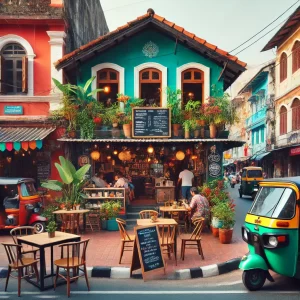
                                   A vibrant, bustling street cafe in Kochi, blending charming rustic vibes with lively local energy.

Kochi, with its vibrant cultural blend and coastal charm, is a haven for food lovers. While the city is known for its historical landmarks and bustling markets, it also hides an array of delightful cafés — each offering a unique experience for your taste buds. If you’re looking to uncover these hidden gems, this guide will lead you to some of the most charming, offbeat spots, minus the typical tourist crowds.

The Unique Food Scene in Kochi

Kochi’s culinary landscape is an exciting fusion of traditional Kerala flavors, coastal seafood, and international influences. From spicy curries to light bites, you’ll find a diverse range of dishes to savor. Let’s dive into some must-try food varieties you can expect in these cozy cafés.

1. Traditional Kerala Snacks

Many cafés in Kochi offer a taste of local delights. Expect to find Pazhampori (banana fritters), Parippu Vada (crispy lentil fritters), and Kozhukatta (sweet rice dumplings with coconut and jaggery filling). These snacks pair beautifully with a cup of freshly brewed tea or Kerala-style filter coffee.

2. Seafood Specialties

With its coastal setting, Kochi boasts a rich array of seafood dishes. Look out for Prawn Cutlets, Fish Moilee (a mild coconut-based fish curry), and Calamari Fry. Some cafés even offer fusion seafood platters blending local spices with international styles.

3. International Breakfast Platters

For those craving a hearty breakfast, many hidden cafés serve up a mix of continental and Indian morning delights. Enjoy avocado toast, omelets with Kerala spices, or French toast drizzled with coconut syrup — a nod to the region’s tropical flavors.

4. Vegetarian and Vegan Options

Kochi’s café culture has embraced the growing demand for plant-based meals. You’ll discover dishes like jackfruit tacos, beetroot hummus wraps, and coconut milk smoothies — a refreshing option for those seeking healthy, meat-free alternatives.

5. Indulgent Desserts and Sweet Treats

Don’t leave without indulging in Kochi’s dessert offerings. From chocolate-laden brownies to tropical fruit cheesecakes and cardamom-spiced puddings, there’s a dessert for every sweet tooth. Some cafés even feature traditional Kerala desserts like Ada Pradhaman — a rich, sweet rice and coconut milk pudding.

Atmosphere and Ambiance

Kochi’s hidden cafés each have a distinct charm. You’ll find:

  • Cozy coastal hideaways with views of the backwaters.
  • Bohemian-inspired spaces filled with art, books, and rustic décor.
  • Garden cafés surrounded by lush greenery, offering a peaceful escape from the city’s buzz.
  • Rooftop terraces where you can enjoy the sunset with a refreshing drink in hand.

What to Pair with Your Café Hopping

While you explore these tucked-away gems, consider pairing your food adventures with:

  • A walk along Fort Kochi’s beaches to soak in the sunset.
  • A stroll through Jew Town to admire the antique shops and street murals.
  • A visit to a local art gallery to experience Kochi’s vibrant creative scene.

Final Thoughts

Exploring Kochi’s hidden cafés is more than just a food journey — it’s an immersive experience into the city’s heart and soul. Whether you’re savoring traditional Kerala snacks, indulging in a sweet treat, or sipping coffee in a cozy corner, these cafés offer a taste of the city’s rich cultural and culinary fusion.

So, next time you find yourself in Kochi, venture beyond the main streets and discover the warmth, flavors, and stories tucked away in its hidden cafés. Happy café hopping!


How Marine Trade is Boosting Kochi’s Economy

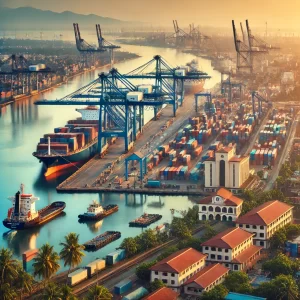
                                                                      Kochi’s bustling harbor, showcases its vibrant marine trade. 

Kochi, often referred to as the ‘Queen of the Arabian Sea,’ holds a rich legacy of maritime trade. Nestled along the Malabar Coast in Kerala, this vibrant port city has been a pivotal player in global trade for centuries — from ancient spice routes to modern transshipment hubs. Today, Kochi stands as a driving force in Kerala’s economy, with marine trade playing a monumental role. Let’s dive into how Kochi’s strategic location, historical relevance, and modern infrastructure continue to boost its economy on a global scale.

A Glimpse into Kochi’s Trade History

Kochi’s history is intertwined with trade. As early as the 14th century, it emerged as a prominent spice trading center, attracting merchants from Arabia, China, and later Europe. The Portuguese were the first Europeans to establish a settlement here in 1503, followed by the Dutch and the British, all drawn by the lucrative spice trade.

Pepper, often called ‘Black Gold,’ along with cardamom, cloves, cinnamon, and ginger, made Kochi a bustling trading hub. The city’s natural harbor, one of the finest on India’s western coast, became a strategic point for maritime activities. This rich trading heritage laid the foundation for Kochi’s modern economic strength.

Kochi: Kerala’s Gateway to Global Trade

Today, Kochi remains Kerala’s primary conduit for international trade. The city’s port — the Cochin Port — handles a significant portion of Kerala’s external trade, making it an indispensable gateway for exports and imports. Its deepwater, all-weather capabilities give it a natural edge over other regional ports.

The International Container Transshipment Terminal (ICTT) at Vallarpadam, part of the Cochin Port, is India’s first transshipment terminal. This terminal positions Kochi as a key player in global logistics, reducing India’s dependency on foreign ports like Colombo or Singapore for transshipment. This facility enhances trade efficiency, reduces costs, and attracts more international cargo traffic.

Key Exports Fueling Kochi’s Economy

Kochi continues to be a leading export hub, especially for Kerala’s famed products. Some of the key exports include:

  • Spices: Pepper, cardamom, ginger, nutmeg, and cloves remain the most sought-after exports, with rising global demand for organic and sustainably sourced spices.
  • Marine Products: Kochi plays a massive role in exporting frozen shrimp, fish, and other seafood products, contributing significantly to India’s marine export sector.
  • Cochin Shipyard: One of India’s largest shipbuilding facilities, Cochin Shipyard supports the economy through shipbuilding, maintenance, and offshore services.
  • Other Goods: Rubber, tea, coffee, coir products, and cashew also contribute to Kochi’s diverse export portfolio.

What Makes Kochi’s Port So Favorable for Trade?

Several factors make Kochi a preferred destination for maritime trade:

  1. Natural Harbor: Kochi’s port boasts deep waters and excellent navigability throughout the year, allowing large cargo ships to dock with ease.
  2. Modern Infrastructure: The port offers advanced container handling facilities, ship repair yards, and even cruise terminals — positioning it as a versatile maritime hub.
  3. Connectivity: Kochi enjoys robust multi-modal transport connectivity:
    • Sea routes link Kochi to major global markets across Europe, the Middle East, and Southeast Asia.
    • Cochin International Airport supports air cargo, enabling the rapid export of perishable goods.
    • Road and rail networks seamlessly link the port to Kerala’s industrial zones and neighboring states.
  4. Logistics Support: Vallarpadam’s transshipment terminal reduces cargo turnaround times, ensuring quicker access to international shipping routes.

A Global Perspective: Kochi’s Role in International Trade

Kochi’s maritime trade extends far beyond national borders. As global supply chains evolve, Kochi has positioned itself as a key player in international commerce:

  • Rising Global Demand: Spices from Kerala are witnessing surging demand in Europe and North America due to the growing preference for authentic, organic flavors.
  • Marine Products: India is among the top exporters of shrimp globally, and Kochi plays a vital role in ensuring these exports reach markets efficiently.
  • Blue Economy Vision: India’s focus on the ‘Blue Economy’ — sustainable ocean-based development — places Kochi at the center of maritime innovation, resource management, and eco-friendly shipping.

Economic Ripple Effects of Marine Trade

Marine trade doesn’t just boost exports — it fuels Kochi’s economy in numerous ways:

  • Employment Generation: Thousands of jobs are created in port operations, logistics, warehousing, fisheries, and shipbuilding industries.
  • Tourism and Hospitality: Kochi’s growing cruise tourism, supported by its port, attracts international visitors, benefiting local businesses and cultural tourism.
  • Urban Development: The revenue generated from marine trade supports urban infrastructure development, enhancing Kochi’s appeal as a modern, thriving city.

Challenges on the Horizon

While Kochi’s marine trade is flourishing, it faces a few challenges:

  • Competition from Other Ports: Major ports like Mumbai, Chennai, and Mundra offer strong competition. Kochi must continuously upgrade infrastructure and streamline processes to maintain its edge.
  • Environmental Concerns: The coastal region must balance economic growth with environmental preservation, especially given Kerala’s rich biodiversity.
  • Global Market Fluctuations: The trade landscape is shaped by international demand, shipping costs, and geopolitical factors — areas where Kochi must stay resilient.

The Road Ahead: Kochi’s Future as a Trade Powerhouse

Kochi’s future as a maritime trade giant looks promising. Investments in port infrastructure, digital logistics, and sustainable practices will strengthen its global competitiveness. The city’s rich trading legacy, combined with modern advancements, ensures that Kochi remains a vital player in India’s economic growth story.

In the ever-evolving landscape of global trade, Kochi is not just keeping pace — it’s setting the course for a brighter, more connected future.


The Growing Popularity of Kayaking in Kochi’s Backwaters

                                                                          Paddling peacefully on the lake — sunset vibes intact!

Kochi’s serene backwaters, with their winding canals, lush greenery, and calm waters, have become a hotspot for kayaking enthusiasts. The rise in eco-tourism and the desire for immersive experiences have contributed to the growing popularity of this adventure sport. Let’s dive into the key aspects of kayaking in Kochi — from popular routes to essential tips — to help you plan an unforgettable journey.

1. Popular Kayaking Spots in Kochi

  • Alleppey Backwaters: Known as the ‘Venice of the East,’ this area offers scenic routes through coconut groves and traditional villages.
  • Kadamakkudy Islands: A hidden gem offering a peaceful, off-the-beaten-path kayaking experience.
  • Kumbalangi Village: India’s first model tourism village, ideal for experiencing local culture while paddling.
  • Cherai Beach Backwaters: Combines the beauty of both beach and backwater kayaking.

2. Kochi’s Kayaking Events

  • Kochi Kayak Fest: An annual event drawing paddlers from across the country for races and recreational rides.
  • Backwater Kayak Challenge: A more adventurous event where participants navigate through narrow canals and open waters.
  • Eco Kayak Rides: Organized during World Environment Day to promote sustainable tourism.

3. Best Kayaking Routes in Kochi

  • Marine Drive to Mattancherry: Paddle past iconic landmarks like Bolgatty Island and Fort Kochi.
  • Periyar River Trail: A tranquil route rich in birdwatching opportunities and lush landscapes.
  • Vypeen Island Circuit: Ideal for those looking to explore coastal scenery and fishing villages.

4. Do You Need Training for Kayaking?

Kayaking in Kochi’s backwaters is suitable for beginners, but basic training is recommended for safety and technique. Many tour operators provide short tutorials before the ride. For longer, more adventurous routes, guided tours ensure a safer and more informative experience.

5. Sights to Enjoy While Kayaking

  • Mangrove Forests: Paddle through tunnels of mangroves, teeming with unique flora and fauna.
  • Traditional Houseboats: Glide alongside iconic Kerala houseboats and witness their grandeur up close.
  • Birdwatching: Spot kingfishers, herons, and even the rare Brahminy kite along the way.
  • Sunset Views: Evening kayaking offers mesmerizing sunset vistas over the water.

6. Overnight Kayaking Adventures

For the truly adventurous, overnight kayaking tours are gaining traction. These involve paddling through moonlit waters and camping on small islands or lakeside villages. It’s an experience that combines adventure with a touch of serenity.

7. Accessibility and Cost

  • Rentals: Kayak rentals in Kochi range from ₹500 to ₹1500 per person, depending on the route and duration.
  • Guided Tours: Cost around ₹1500 to ₹3000, inclusive of safety gear, guide, and refreshments.
  • Best Time to Kayak: October to March, when the weather is pleasant and the waters are calm.
  • How to Reach: Kochi is well connected by air, rail, and road. Most kayaking spots are within a 30-45 minute drive from the city center.

Kayaking in Kochi’s backwaters offers more than just an adventure — it’s an intimate exploration of Kerala’s natural beauty and local life. Whether you’re a seasoned paddler or a first-time adventurer, the city’s diverse routes and vibrant kayaking culture promise an unforgettable experience.

So, are you ready to grab a paddle and explore the hidden wonders of Kochi’s backwaters?

Smart City Initiatives: How Kochi is Becoming a Tech-Driven City

Kochi, known for its rich history and vibrant culture, is rapidly transforming into one of India’s leading tech-driven cities. Spearheaded by the Smart Cities Mission, the city’s urban landscape is evolving with innovative infrastructure, technology-driven solutions, and sustainable initiatives. Let’s dive into how Kochi is progressing on its journey to becoming a smart city and what this means for residents, businesses, and tourists.


The Vision Behind Kochi’s Smart City Initiative

The Smart Cities Mission, launched by the Government of India, envisions creating cities that provide a sustainable, efficient, and high-quality urban living environment. Kochi stands out as one of the front-runners in this mission, focusing on:

  • Enhanced urban mobility
  • Sustainable environment
  • Digitally integrated services
  • Smart governance
  • Improved quality of life

The ultimate goal is to turn Kochi into a model city where technology bridges the gap between infrastructure and daily life.


Infrastructure Transformation

Kochi’s infrastructure is witnessing a remarkable upgrade to support its smart city ambitions:

  • Kochi Metro Expansion: The metro system is expanding, improving connectivity across the city. With a focus on reducing traffic congestion and carbon emissions, the metro’s growth is pivotal in making public transport faster and more efficient.
  • Integrated Water Transport: Kochi’s waterways are being revamped to offer eco-friendly and affordable water-based transportation, seamlessly connected to the metro and road networks.
  • Smart Roads: Modern roads equipped with intelligent traffic management systems, dedicated cycling lanes, and pedestrian-friendly pathways are transforming urban commuting.
  • Waste Management Overhaul: A technology-based solid waste management system ensures efficient collection, segregation, and disposal, reducing pollution and promoting cleanliness.

Digital Transformation

Kochi’s smart city progress is driven by digital integration:

  • Public Wi-Fi Zones: High-speed internet connectivity in public spaces supports students, professionals, and tourists alike, making Kochi a connected city.
  • E-Governance: Citizens can now access various government services online — from bill payments to grievance redressal — enhancing transparency and reducing bureaucracy.
  • Smart Policing: CCTV surveillance, AI-driven analytics, and digital monitoring systems ensure improved safety and quick response to emergencies.

Sustainable Urban Development

Kochi’s smart city journey also emphasizes sustainability:

  • Solar Energy Projects: Rooftop solar installations and solar-powered streetlights are helping the city reduce its carbon footprint.
  • Green Spaces: Parks, urban gardens, and waterfront beautification projects are enhancing the city’s livability while contributing to better air quality.
  • Energy-Efficient Buildings: New construction projects follow green building standards to minimize energy consumption and environmental impact.

Economic Boost and Business Innovation

Kochi’s smart city transformation is a boon for its economy:

  • Startup Ecosystem: With Infopark and emerging business hubs, Kochi is attracting tech entrepreneurs and startups, fostering innovation and job creation.
  • Boost to Tourism: Tech-driven city planning, coupled with cultural heritage conservation, makes Kochi an attractive destination for both business and leisure travelers.
  • Real Estate Development: Improved infrastructure and enhanced urban living standards are driving demand for residential and commercial properties, boosting the real estate market.
  • Challenges and Future Roadmap

While Kochi’s smart city transformation is impressive, challenges remain:

  • Traffic management during metro construction
  • Balancing modernization with heritage conservation
  • Ensuring digital inclusivity across all socioeconomic groups

Future plans include the expansion of smart solutions to suburbs, AI integration for urban planning, and increased collaboration between the government and private sectors to drive innovation.

1. SmartCity Kochi – Integrated Knowledge-Based Township

  • A massive 246-acre IT township focused on knowledge-based industries.
  • Combines residential areas, offices, educational institutions, retail, hospitality, and sports facilities — creating a self-sustained urban ecosystem.

2. Sustainable Urban Planning

  • Development of solar-powered streetlights and electric buses to cut carbon emissions.
  • Green buildings and renewable energy adoption to ensure eco-friendly infrastructure.
  • Focus on waste management, rainwater harvesting, and reducing the city’s carbon footprint.

3. Smart Public Transportation

  • Real-time tracking systems installed on buses, ferries, and metros.
  • Mobile apps for ticket booking and route updates.
  • Integrated transport network and unified payment systems to simplify commuting.

4. Digital Citizen Services

  • e-Payment Services: Online platforms for paying electricity bills, property taxes, water charges, and traffic fines.
  • G2C Services: Easy access to certificates like birth, marriage, and death records, plus trade licenses.
  • B2C Services: Includes town hall services, public bike-sharing, septic tank cleaning, and even on-demand ambulance services — all accessible online.

5. Environment-Friendly Initiatives

  • Development of sensor-based smart parks with water-efficient irrigation systems.
  • Target to increase green spaces from 12% to 20% by 2028.
  • Mandatory rainwater harvesting in new buildings above 1,500 sq ft.
  • Promotes eco-friendly construction materials and sustainable building designs to lower carbon emissions.

Kochi is well on its way to becoming a model tech-driven, sustainable city!

Conclusion

Kochi’s smart city initiatives are reshaping the urban experience, making it more efficient, sustainable, and tech-savvy. From intelligent infrastructure to digital governance and eco-friendly projects, the city is setting a benchmark for urban transformation in India. As Kochi continues on this path, it holds the promise of becoming a thriving, inclusive, and futuristic city — a model for smart urban living.

Whether you’re a resident, investor, or visitor, Kochi’s tech-driven evolution offers a glimpse into the future of modern, sustainable, and connected cities.


The Evolution of Kochi’s IT Sector: A Hub for Startups

                                       IT hub reflects not only its technological progress but also its spirit of innovation and entrepreneurship.

Kochi, known for its vibrant culture and coastal charm, is rapidly emerging as a dynamic technology hub in South India. Once primarily recognized as a trade and tourism destination, the city now stands tall in the IT landscape, fostering innovation, entrepreneurship, and an ecosystem ideal for startups. With infrastructural advancements, government support, and a growing talent pool, Kochi’s IT sector is evolving into a major player in India’s digital economy.

Early Beginnings: Kochi’s IT Journey

Kochi’s tryst with the IT industry began in the early 2000s, driven by the state’s vision to diversify its economy. The establishment of Infopark in 2004 marked a turning point, setting the stage for technology companies to set up operations. Over time, more tech parks, innovation hubs, and co-working spaces emerged, positioning the city as a rising star in the IT and startup ecosystem.

Factors Fueling Kochi’s IT Growth

Several factors have contributed to Kochi’s rapid IT sector expansion. Let’s explore the key drivers:

  1. Strategic Location and Infrastructure
    • Kochi’s strategic coastal position makes it a natural gateway to global markets. The presence of an international airport, seaport, and a robust metro network supports seamless business operations and connectivity.
  2. Infopark, SmartCity, and Technology Parks
    • Infopark, with its vast campus and state-of-the-art infrastructure, has attracted numerous multinational corporations (MNCs), IT service firms, and startups. Additionally, SmartCity Kochi, a joint venture with Dubai’s TECOM Investments, aims to create a knowledge-based industry hub, further accelerating growth.
  3. Government Support and Policy Incentives
    • Kerala’s IT policy emphasizes promoting innovation and entrepreneurship. Initiatives like the Kerala Startup Mission (KSUM), subsidized office spaces, tax benefits, and skill development programs have created a conducive environment for startups to thrive.
  4. Cost Advantage
    • Compared to India’s bigger tech cities like Bengaluru and Hyderabad, Kochi offers a significant cost advantage in terms of office rentals, operational expenses, and employee wages — an appealing factor for bootstrapped startups.
  5. Skilled Talent Pool
    • With numerous engineering colleges, universities, and coding academies, Kochi produces a steady stream of skilled IT professionals. The city’s youth, driven by innovation and entrepreneurship, fuels the startup ecosystem.
  6. Cultural and Lifestyle Appeal
    • Kochi’s blend of traditional heritage and modern lifestyle attracts talent from across India. The city offers a high quality of life, with scenic backwaters, thriving art scenes, and a booming food culture — making it an attractive destination for tech professionals.

Rise of Startups: Kochi’s Entrepreneurial Ecosystem

Kochi’s startup scene has blossomed over the last decade. From fintech and edtech to healthtech and marine technology, diverse startups are making waves, supported by a thriving entrepreneurial community.

  1. Kerala Startup Mission (KSUM)
    • KSUM has been instrumental in nurturing startups, providing funding, mentorship, and global exposure. It connects entrepreneurs with investors, fostering innovation across sectors.
  2. Incubators and Co-Working Spaces
    • The city hosts several incubators and co-working spaces like Maker Village (focused on hardware startups), Kalamassery’s Integrated Startup Complex, and Rise Kochi — enabling collaboration, networking, and access to resources.
  3. Investment and Funding Opportunities
    • Venture capitalists, angel investors, and global accelerators are increasingly turning their attention to Kochi’s promising startup landscape. Initiatives like Seeding Kerala (an annual investor meet) encourage funding opportunities.
  4. Innovation Across Sectors
    • Kochi’s startups span multiple industries:
      • HealthTech: Companies like CareStack and Genrobotics are transforming healthcare and medical technology.
      • MarineTech: Leveraging Kochi’s maritime heritage, startups focus on marine engineering, aquaculture, and ocean technology.
      • FinTech: Payment solutions, digital banking, and financial services startups are gaining momentum.
      • EdTech: Online learning platforms and educational apps thrive in the city’s knowledge-driven environment.

Challenges on the Path to Growth

While Kochi’s IT sector holds tremendous potential, it faces certain challenges:

  • Competition from Bigger Tech Hubs: Bengaluru, Hyderabad, and Chennai still dominate India’s IT landscape.
  • Brain Drain: Many talented professionals migrate to larger cities for better opportunities.
  • Infrastructure Limitations: Despite rapid development, further improvements in transportation, power supply, and digital infrastructure are crucial.
  • Access to Large-Scale Funding: While seed funding is accessible, securing large-scale investments remains a challenge for scaling startups.

The Road Ahead: Kochi’s IT Future

Kochi’s IT sector has come a long way, but the journey is far from over. The future looks promising with several transformative trends:

  1. Expansion of SmartCity and Infopark Phases:
    • Ongoing expansion projects will create more workspace, attract global corporations, and support local startups.
  2. Focus on Emerging Technologies:
    • Kochi’s tech landscape is shifting towards AI, blockchain, IoT, cybersecurity, and green tech — areas that promise global demand.
  3. Maritime and MarineTech Innovation:
    • Leveraging its coastal advantage, Kochi is set to become a leader in marine technology, ocean research, and blue economy innovations.
  4. Building a Startup Culture:
    • Efforts to encourage entrepreneurship from schools to colleges will create a mindset shift, nurturing the next generation of innovators.
  5. Global Collaborations:
    • International tie-ups, tech summits, and investor meets will position Kochi as a global tech hotspot.

Conclusion

Kochi’s evolution from a traditional port city to a thriving IT hub symbolizes the city’s resilience, adaptability, and ambition. With robust infrastructure, government backing, and a growing entrepreneurial spirit, Kochi is well on its way to becoming a powerhouse for startups and technology innovation.

The road ahead may present challenges, but the city’s trajectory remains upward. Kochi is no longer just a gateway to Kerala — it’s a gateway to the future of innovation in South India.

Kochi’s Metro Expansion: How It’s Changing Urban Transport

                                                                                         Modern, Efficient, Sustainable

Kochi, the vibrant commercial capital of Kerala, is rapidly transforming its urban landscape with the expansion of its metro network. Launched in 2017, Kochi Metro has been a game-changer in the city’s public transport system, easing traffic congestion, promoting sustainable travel, and enhancing connectivity. Now, with plans for further expansion, the metro is poised to redefine urban mobility, driving economic growth and improving the daily lives of thousands of commuters.

This article dives into the ongoing metro expansion, its potential impact, key factors driving development, and what the future holds for Kochi’s urban transport.

The Current State of Kochi Metro

Kochi Metro’s Phase 1 spans 25.2 km from Aluva to Petta, covering 22 stations. With modern facilities, seamless ticketing, and a commitment to environmental sustainability (such as solar-powered stations), it has become a model for metro projects across India.

However, rapid urbanization and population growth demand an expanded network to reach more areas, reduce reliance on private vehicles, and support the city’s evolving infrastructure needs.

Kochi Metro Expansion Plans: What’s on the Horizon?

The metro’s expansion is being rolled out in multiple phases:

  • Phase 1A (Petta to SN Junction): A 1.8 km extension, inaugurated in 2023, improves connectivity to the southern parts of the city.
  • Phase 2 (Jawaharlal Nehru Stadium to Infopark via Kakkanad): A major 11.2 km extension under construction, this phase aims to connect the bustling IT hub of Kakkanad, benefiting thousands of tech employees.
  • Water Metro Integration: A unique addition — Kochi’s Water Metro project integrates with the metro network, enhancing connectivity to the islands and promoting eco-friendly water transport.
  • Future Phases: Proposed extensions to suburban areas like Angamaly, Thripunithura, and Nedumbassery (Cochin International Airport) aim to make the metro an integral part of regional transit.

Key Factors Driving Kochi’s Metro Expansion

Several factors are fueling the push for metro expansion in Kochi:

  1. Traffic Congestion Relief
    • Kochi’s roads are notoriously congested, especially during peak hours. The metro offers a faster, more efficient alternative, reducing travel time and easing road traffic.
  2. Economic Growth and Job Opportunities
    • Enhanced metro connectivity supports Kochi’s economic growth, making it easier for people to access business districts, IT parks, educational institutions, and healthcare centers.
  3. Environmental Sustainability
    • With Kerala’s commitment to reducing carbon emissions, metro expansion encourages public transport use, lowering air pollution and traffic-related fuel consumption.
  4. Urban Development and Real Estate Boost
    • Metro lines often spur development along their routes. New residential complexes, commercial hubs, and retail spaces are emerging near metro stations, reshaping the city’s skyline.
  5. Improved Livability and Accessibility
    • For daily commuters, students, and tourists, the metro offers comfort, safety, and affordability. Expansion into suburbs ensures better accessibility for people living on the city’s outskirts.
  6. Tourism and Cultural Access
    • Kochi’s thriving tourism industry benefits from metro accessibility to key landmarks like Fort Kochi, Mattancherry, and Marine Drive, offering tourists a hassle-free travel option.

Challenges and Considerations

While the metro expansion brings immense potential, challenges must be addressed to ensure its success:

  • Funding and Cost Management: Balancing development costs with fare affordability is crucial.
  • Land Acquisition and Urban Planning: Expanding in densely populated areas requires careful planning to avoid displacement and infrastructure disruption.
  • Last-Mile Connectivity: Ensuring buses, autos, and other transport modes integrate seamlessly with metro stations enhances convenience.
  • Public Awareness and Ridership: Encouraging people to shift from private vehicles to metro services is vital for long-term sustainability.

Future Vision: A Smart, Sustainable Transport Ecosystem

Kochi Metro’s expansion aligns with a broader vision for a smart, sustainable urban transport ecosystem. Key future possibilities include:

  • Driverless Metro Services: Advancements in automation could bring fully autonomous metro trains, increasing efficiency and reducing operational costs.
  • AI and IoT Integration: Smart ticketing, real-time passenger data, and predictive maintenance systems could enhance user experience and metro performance.
  • Electric Buses and Bike Sharing: Integrating electric buses and bike-sharing services at metro hubs promotes last-mile connectivity and eco-friendly travel.
  • Transit-Oriented Development (TOD): Creating walkable, mixed-use communities around metro stations can reduce urban sprawl and promote healthier, greener living.

Conclusion

Kochi’s metro expansion is more than just an infrastructure upgrade — it’s a catalyst for urban transformation. By improving mobility, reducing traffic, supporting economic growth, and promoting sustainability, the metro is reshaping the city’s future. With thoughtful planning, community engagement, and technology integration, Kochi Metro could become a benchmark for urban transport projects across India.

As the network expands, Kochi is steadily moving towards becoming a smarter, greener, and more connected metropolis. Whether you’re a daily commuter, a business owner, or a tourist, the metro promises a smoother, faster, and more sustainable way to navigate the Queen of the Arabian Sea.


“How SpaceTech Companies in Kerala Are Contributing to ISRO’s Missions”

Kerala, known for its picturesque landscapes, vibrant culture, and booming tourism industry, is also emerging as a key player in India’s ambitious space exploration journey. The Indian Space Research Organisation (ISRO), headquartered in Bengaluru, has long been a symbol of scientific excellence. But behind its groundbreaking missions lies a network of dedicated contributors — including several SpaceTech companies from Kerala — that provide crucial technologies, innovations, and support.

From satellite components to propulsion systems, Kerala’s aerospace sector is quietly shaping the future of space exploration. Let’s explore how these companies are making an impact, driving technological advancements, and helping ISRO reach new heights.


Kerala’s Growing SpaceTech Ecosystem

Kerala’s journey into the aerospace industry isn’t sudden. The state has fostered a strong engineering and manufacturing culture for decades, backed by institutions like Vikram Sarabhai Space Centre (VSSC) in Thiruvananthapuram. Over time, this environment nurtured a cluster of specialized SpaceTech companies, each contributing to different aspects of space missions.

Some of the key sectors these companies support include:

  • Satellite manufacturing and components
  • Avionics and communication systems
  • Propulsion technology and rocket parts
  • Advanced materials and electronics
  • Software development for space operations

Key SpaceTech Companies in Kerala Supporting ISRO

1. Ananth Technologies Limited (ATL)

Ananth Technologies has played a pivotal role in ISRO’s satellite programs. With a facility in Thiruvananthapuram, ATL specializes in building avionics packages, sensors, and control systems for both satellites and launch vehicles.

Contributions to ISRO:

  • Developed critical components for Mars Orbiter Mission (Mangalyaan) and Chandrayaan-2.
  • Supplies telemetry systems, which help monitor rockets and satellites in flight.
  • Supports navigation and communication satellites, ensuring precise in-orbit operations.

2. Keltron (Kerala State Electronics Development Corporation Limited)

A government-run enterprise, Keltron has long been an essential supplier of electronic components to ISRO. Established in 1973, Keltron’s aerospace division manufactures a range of high-reliability electronics crucial to space missions.

Key Achievements:

  • Supplies power modules and control systems for launch vehicles.
  • Developed specialized printed circuit boards (PCBs) used in satellite communication systems.
  • Contributed to ISRO’s PSLV and GSLV programs.

3. SFO Technologies

Part of the NeST Group, SFO Technologies operates a high-end manufacturing unit in Kochi. The company focuses on advanced electronics, avionics, and mission-critical systems — vital for both defense and space sectors.

Notable Contributions:

  • Designs avionics subsystems used in satellites and rockets.
  • Supports thermal management systems, ensuring spacecraft withstands extreme temperatures.
  • Supplies parts for ISRO’s Reusable Launch Vehicle (RLV) program — a project aimed at developing India’s own spaceplane.

4. Avantel Limited

Specializing in satellite communication technologies, Avantel has provided transponders and tracking equipment for various ISRO missions. The company ensures robust connectivity between ground stations and satellites.

Key Roles:

  • Supplied S-band transponders used in ISRO’s GSAT communication satellites.
  • Supports maritime communication — crucial for tracking vessels via satellite.
  • Helps ISRO develop Earth Observation Satellites (EOS) for environmental monitoring.

Innovations From Kerala: Pushing the Boundaries of SpaceTech

Beyond manufacturing components, Kerala-based companies are pioneering innovative technologies to enhance ISRO’s capabilities. Here’s a look at some groundbreaking contributions:

1. Lightweight Materials for Satellites and Rockets

Companies in Kerala are experimenting with carbon composites and 3D-printed aerospace parts. These materials reduce satellite weight — allowing ISRO to carry more payloads per mission — and improve fuel efficiency in rockets.

2. Miniaturized Electronics

With satellites getting smaller, Kerala’s tech firms are developing compact, high-performance electronics. This is particularly crucial for ISRO’s CubeSat and microsatellite programs, which aim to launch small, cost-effective satellites for scientific research and communication.

3. AI and Data Processing

Several startups are diving into Artificial Intelligence (AI) and Machine Learning (ML) to help ISRO process vast amounts of data collected from space missions — from weather monitoring to planetary exploration.


Training and Talent: Kerala’s Role in Building the Future Workforce

Kerala’s academic institutions also play a huge role in nurturing talent for ISRO’s missions. Indian Institute of Space Science and Technology (IIST), located in Thiruvananthapuram, is directly supported by ISRO and produces some of the country’s finest aerospace engineers.

Additionally, several universities collaborate with ISRO on research projects, especially in satellite technology, remote sensing, and propulsion systems — ensuring a steady pipeline of skilled professionals and researchers.


Kerala’s Vision for the Future of SpaceTech

Looking ahead, Kerala’s aerospace companies aim to deepen their collaboration with ISRO, particularly in upcoming missions like:

  • Gaganyaan: India’s first crewed space mission, planned for launch soon.
  • Chandrayaan-3: A follow-up lunar exploration mission.
  • Aditya-L1: India’s first solar observation mission.
  • Reusable Rockets and Spaceplanes: A game-changer in making space travel more cost-effective.

Moreover, Kerala is positioning itself as a hub for private space startups, inspired by the Indian government’s push for privatization in the space sector.


Final Thoughts: Kerala’s Rising Star in India’s Space Journey

Kerala’s contributions to ISRO’s missions are proof that innovation isn’t confined to major tech cities like Bengaluru or Hyderabad. The state’s SpaceTech companies — backed by a skilled workforce, cutting-edge research, and government support — are proving to be indispensable partners in India’s space ambitions.

As ISRO sets its sights on Mars, the Moon, and beyond, Kerala’s aerospace ecosystem will undoubtedly continue to play a vital role in making these dreams a reality.

Would you like me to dive into specific ISRO missions or Kerala’s upcoming SpaceTech startups in a follow-up article?

“Exploring the Best Kayaking Spots Near Kochi”

                Here’s a beautiful image capturing the essence of a peaceful kayaking adventure near Kochi!

Kochi, with its mesmerizing backwaters, serene rivers, and scenic coastline, is a paradise for water lovers. Beyond its rich culture, historic landmarks, and bustling streets, the region hides a more tranquil, adventurous side — one best explored with a paddle in hand. Kayaking around Kochi offers a unique blend of adventure and serenity, letting you glide through narrow canals, mangroves, and quiet lagoons while immersing yourself in the region’s natural beauty.

Whether you’re a seasoned paddler or a beginner looking for a peaceful escape, Kochi has something for everyone. Let’s dive into some of the best kayaking spots near Kochi, what makes each destination special, and tips to make the most of your kayaking adventure.


1. Kadamakkudy Islands: A Hidden Gem for Paddlers

Just a short drive from Kochi, the Kadamakkudy Islands offer an idyllic setting for kayaking enthusiasts. This cluster of small islands, connected by shallow waterways, boasts stunning views of green paddy fields, coconut groves, and traditional fishing nets.

Why It’s Great for Kayaking

  • Scenic Waterways: Paddle through narrow, winding canals flanked by lush greenery and traditional village life.
  • Birdwatching Paradise: The region is home to various bird species like kingfishers, herons, and egrets — a treat for nature lovers and photographers.
  • Tranquility: The islands remain relatively untouched by tourism, offering a peaceful, authentic experience.

Best Time to Visit: Early mornings or late afternoons when the waters are calm and the light is perfect for photos.

Tip: Pack a snack and stay hydrated — you might want to spend hours exploring this serene maze of islands.


2. Kochi Backwaters: Glide Through Kerala’s Famous Waterways

No kayaking trip near Kochi is complete without paddling through the Kochi backwaters. This expansive network of lagoons, lakes, and canals is perfect for both beginners and experienced kayakers.

Why It’s Great for Kayaking

  • Easy Access: Start your trip right from Fort Kochi or nearby villages.
  • Local Encounters: You’ll likely spot fishermen at work, kids splashing by the riverbanks, and friendly locals waving as you pass by.
  • Versatile Routes: Choose between narrow canals for a cozy, intimate experience or venture into larger lakes for wide-open views.

Best Time to Visit: November to February, when the weather is cooler and more comfortable.

Tip: Sunrise paddles offer the best views, with mist rising from the water and the city slowly coming to life.


3. Munroe Island: A Paddler’s Paradise

About 2.5 hours from Kochi, Munroe Island is worth the drive for those seeking a more immersive kayaking adventure. This island, where the Kallada River meets Ashtamudi Lake, is a labyrinth of canals, mangroves, and rustic village scenery.

Why It’s Great for Kayaking

  • Calm Waters: Perfect for beginners, thanks to the gentle currents.
  • Cultural Experience: Paddle past coir-making units, prawn farms, and traditional homes.
  • Stunning Landscapes: Experience a beautiful mix of backwaters, narrow creeks, and mangrove forests.

Best Time to Visit: Early mornings, when the air is cool and the sunrise paints the waters golden.

Tip: Book a guided kayaking tour to learn about the island’s history and ecology from a local expert.


4. Periyar River: Adventure Meets Serenity

Flowing through the heart of Kerala, Periyar River offers a diverse kayaking experience. Just an hour’s drive from Kochi, this river is ideal for those seeking a mix of calm paddling and gentle rapids.

Why It’s Great for Kayaking

  • Varied Terrain: The river alternates between tranquil stretches and mild rapids — perfect for a light thrill.
  • Wildlife Spotting: Keep an eye out for otters, cormorants, and other riverine wildlife.
  • Mountain Views: Enjoy views of the distant Western Ghats as you paddle downstream.

Best Time to Visit: Post-monsoon (September to March) when the river is full and vibrant.

Tip: If you’re new to kayaking, stick to the calmer sections or hire a local guide for a safer experience.


5. Alappuzha (Alleppey) Backwaters: The Venice of the East

A 90-minute drive from Kochi, Alappuzha — famous for its houseboats — also offers some of the best kayaking experiences in Kerala. This region features a network of serene canals, lagoons, and rivers, surrounded by palm-fringed shores and vibrant village life.

Why It’s Great for Kayaking

  • Stunning Landscapes: Paddle past lush paddy fields, coconut groves, and charming waterfront villages.
  • Peaceful Waters: The smaller canals offer a calm, soothing ride, away from houseboat traffic.
  • Sunset Kayaking: Witness a magical sunset over the vast Vembanad Lake.

Best Time to Visit: October to February, when the weather is pleasant and skies are clear.

Tip: For an unforgettable experience, try a moonlight kayaking tour, offered by some local adventure companies.


Essential Kayaking Tips for a Safe and Enjoyable Experience

Before you hit the water, here are some key tips to ensure a smooth kayaking trip near Kochi:

  • Safety First: Always wear a life jacket, regardless of your skill level.
  • Stay Hydrated: Bring water and light snacks, especially if you plan on paddling for a few hours.
  • Check the Weather: Avoid kayaking during heavy rains or strong winds.
  • Respect Local Customs: Paddle quietly through villages and avoid disturbing wildlife.
  • Go with a Guide: If you’re a beginner or exploring a new area, a local guide can enhance your experience and ensure safety.

Final Thoughts: Paddle Your Way to Unforgettable Memories

Kochi’s natural beauty extends far beyond its famous landmarks. Kayaking is an incredible way to uncover the hidden corners of this coastal gem — from the tranquil backwaters and lush islands to the lively rivers and mangrove forests. Each spot offers a unique experience, blending adventure, nature, and local culture into one unforgettable journey.

So, whether you’re gliding through Kadamakkudy’s serene canals or racing down the Periyar’s playful rapids, Kochi promises an adventure that’s both thrilling and soul-soothing. Grab a paddle, hit the water, and let Kochi reveal its secrets — one stroke at a time.


Would you like a breakdown of the best kayaking tour operators in the area or advice on the right gear to bring? I can help plan the perfect kayaking itinerary for your Kochi adventure! 🚣‍♂️✨

“Cultural Festivals in Kochi That Every Traveler Must Experience”

Tthe vibrancy of a cultural festival in Kochi — full of colors, traditional performances, and the city’s iconic backdrop.

Kochi, a vibrant coastal city in Kerala, is a melting pot of cultures, traditions, and artistic expressions. This historical port city, shaped by influences from the Portuguese, Dutch, British, Arabs, and Chinese, has evolved into a hub of cultural celebrations. From grand religious festivities to modern artistic showcases, Kochi hosts a range of cultural festivals that reflect its rich heritage and contemporary spirit. Here’s a deep dive into the must-see cultural festivals in Kochi.
  1. Kochi-Muziris Biennale Kochi-Muziris Biennale is India’s largest contemporary art festival, drawing artists and art lovers from across the globe. Held every two years, this international event transforms the city into a sprawling art gallery. Abandoned warehouses, heritage buildings, and public spaces turn into vibrant canvases showcasing installations, sculptures, paintings, and performances. It’s a cultural spectacle that blurs the lines between art and life, making it a must-visit for anyone seeking a modern take on Kochi’s artistic soul.
  2. Onam Onam is Kerala’s most celebrated festival, and Kochi revels in its grandeur. This harvest festival, commemorating the legendary King Mahabali’s homecoming, spans ten days. The city comes alive with floral decorations (Pookalam), traditional dance performances like Kathakali and Thiruvathirakali, and sumptuous Onam Sadhya (feast) served on banana leaves. The highlight in Kochi is the grand boat race (Vallam Kali) that captures the spirit of unity and excitement. Travelers can witness the entire city embracing Onam’s joy, making it an unforgettable cultural experience.
  3. Cochin Carnival Held in December, the Cochin Carnival is a vibrant end-of-year celebration in Fort Kochi. The carnival traces its roots to Portuguese New Year traditions and has evolved into a colorful, multicultural extravaganza. The streets buzz with parades, music, dance, and sports events, while locals and tourists alike participate in games and festivities. The grand procession on New Year’s Day, led by a regal figure known as ‘Papanji,’ culminates in a spectacular burning of the Papanji effigy, symbolizing the farewell to the old year and a fresh start. It’s a lively, high-energy event that embodies Kochi’s festive spirit.
  4. Vishu Vishu marks the Malayalam New Year and signifies prosperity and renewal. Celebrated in April, it starts with the ‘Vishukkani’ — an auspicious arrangement of items like rice, fruits, gold, and flowers, viewed first thing in the morning for good fortune. Families burst fireworks, exchange gifts, and feast on traditional Kerala dishes. While more intimate than Onam, Vishu captures the essence of hope and joy, offering a serene yet heartwarming cultural experience in Kochi.
  5. Indira Gandhi Boat Race Held annually in December, this thrilling event on the backwaters near Kochi is a spectacle of speed and teamwork. The snake boats (chundan vallam) with over a hundred rowers race fiercely, accompanied by traditional songs and cheering crowds. It’s a testament to Kerala’s maritime heritage and a high-energy event that blends sport with cultural pride. Watching the rhythmic paddling and hearing the chants resonate across the waters is an experience to remember.
  6. Malayatoor Perunal This Christian pilgrimage festival, held at the Malayatoor Church — believed to have been visited by St. Thomas the Apostle — attracts thousands of devotees. Celebrated between March and April, pilgrims trek up the hill to the church, seeking blessings and offering prayers. The blend of faith, devotion, and the scenic beauty of the hilltop makes this an inspiring cultural and spiritual experience for travelers.
  7. Thripunithura Athachamayam This festival marks the beginning of the Onam celebrations in Kochi, held in Thripunithura, the historic capital of the erstwhile Kingdom of Cochin. It’s a visual treat with a grand parade showcasing traditional art forms like Theyyam, Kathakali, Kummatti, and Pulikali. Folk dancers, musicians, and decorated elephants add to the spectacle, recreating the royal traditions of the past. It’s an excellent way to immerse yourself in Kerala’s artistic diversity.
  8. Shivarathri at Aluva was celebrated along the banks of the Periyar River. This festival honors Lord Shiva. Thousands of devotees camp by the river, observing night-long prayers, chanting hymns, and lighting lamps. The riverbank transforms into a sea of flickering lights, creating a mesmerizing spiritual ambiance. Apart from the religious significance, the fair-like setup with food stalls, local crafts, and cultural programs adds a lively touch to the solemnity.
  9. Navaratri Festival Kochi celebrates Navaratri with devotion and artistic fervor. Temples, especially the Durga temples, are beautifully decorated, and classical music and dance performances fill the evenings. The festival honors Goddess Durga’s triumph over evil, symbolizing inner strength and wisdom. The cultural performances, featuring renowned artists, allow travelers to witness Kerala’s classical arts in an authentic setting.
  10. Jewish Festival of Hanukkah Kochi’s historic Jew Town and the Paradesi Synagogue celebrate Hanukkah, the Jewish Festival of Lights, with warmth and tradition. Though the Jewish community in Kochi is small, the celebrations are heartwarming, featuring the lighting of the menorah, prayers, and festive meals. Exploring Jew Town during this time offers a glimpse into the city’s diverse cultural fabric and longstanding Jewish heritage.

Kochi’s cultural festivals vividly illustrate its multifaceted identity, blending tradition, spirituality, art, and community. Whether you’re an art aficionado, history enthusiast, or curious traveler, these festivals offer a unique way to experience the city’s soul. Plan your visit to align with these celebrations, and you’ll walk away with unforgettable memories and a deeper appreciation for Kochi’s rich cultural tapestry.


“How Kochi is Leading the Way in Smart City Development”

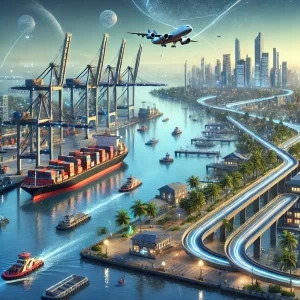
Here’s an image showcasing Kochi’s transformation into a smart city — blending modern architecture, eco-friendly transport, and vibrant urban life.

Kochi, the Queen of the Arabian Sea, is not only celebrated for its rich cultural heritage and scenic beauty but is also rapidly emerging as a pioneer in smart city development. As part of India’s ambitious Smart Cities Mission, Kochi has embarked on a transformative journey to create a sustainable, technology-driven urban environment. This article delves into how Kochi is leading the way in smart city development, blending innovation with inclusivity.

The Vision Behind Kochi’s Smart City Transformation

Kochi’s smart city initiative aims to enhance urban living by integrating technology with infrastructure, improving public services, and promoting sustainability. The city’s plan revolves around key pillars — mobility, environment, digital infrastructure, governance, and urban rejuvenation — ensuring a balanced approach that benefits residents, businesses, and tourists alike.

Revamping Urban Mobility

One of the most remarkable transformations in Kochi is its focus on efficient, eco-friendly transportation systems. The Kochi Metro, India’s first metro project to seamlessly integrate different modes of transport, stands as a beacon of innovation. The metro network connects with water transport and buses, enabling hassle-free commuting. Moreover, the metro stations are designed with solar panels, making it one of the most energy-efficient transit systems in the country.

To further enhance last-mile connectivity, the city has introduced Kochi Water Metro, an ambitious electric boat service connecting the mainland to surrounding islands. This project not only reduces road traffic but also supports the local economy by improving accessibility to island communities.

Electric buses, cycle-sharing programs, and smart parking solutions are also in the pipeline, contributing to a greener, less congested Kochi.

Sustainable Urban Development

Kochi’s smart city blueprint emphasizes environmental sustainability. The city has adopted several eco-friendly measures, including waste management reforms and renewable energy projects. Smart waste bins equipped with sensors monitor garbage levels, prompting timely collection and reducing landfill overflows. Additionally, the city promotes decentralized waste treatment plants and home composting initiatives to tackle household waste efficiently.

On the energy front, solar power initiatives are gaining momentum. The Cochin International Airport, the world’s first solar-powered airport, set a precedent, inspiring other sectors to embrace renewable energy. Smart streetlights, powered by solar energy and equipped with motion sensors, further enhance energy conservation.

Digitally Empowered Governance

Kochi’s commitment to digital transformation is evident in its robust e-governance framework. The Kochi Smart City Integrated Command and Control Centre (ICCC) functions as the city’s nerve center, monitoring real-time data on traffic, waste management, water supply, and emergency services. This centralized platform enhances response times during emergencies and ensures smoother urban management.

The city also offers a citizen-centric mobile app, enabling residents to report issues, access services, and receive important notifications. This promotes transparency, accountability, and engagement between the administration and the public.

Revitalizing Public Spaces and Infrastructure

Kochi’s smart city mission isn’t solely about technology — it’s also about creating vibrant, people-friendly urban spaces. The rejuvenation of Marine Drive and Fort Kochi’s waterfront promenade are prime examples. These projects blend modern amenities with the city’s historic charm, attracting both locals and tourists.

Public parks are being redesigned with fitness zones, open-air theaters, and Wi-Fi connectivity, fostering a sense of community. Additionally, pedestrian-friendly pathways, cycling tracks, and smart bus stops are transforming everyday experiences in the city.

Promoting Innovation and Economic Growth

Kochi’s smart city journey extends to nurturing a thriving innovation ecosystem. The city is home to Kerala Startup Mission (KSUM) and Infopark, which support emerging tech companies and entrepreneurs. With a focus on artificial intelligence, blockchain, and sustainable tech, Kochi is positioning itself as a hub for innovation.

The Integrated Urban Regeneration and Water Transport System project also aims to boost tourism, local businesses, and the blue economy by improving water-based transport and revitalizing traditional markets along the waterfront.

Challenges and Future Outlook

While Kochi’s smart city initiatives are commendable, challenges remain. Traffic congestion, population growth, and environmental concerns continue to test the city’s resilience. However, authorities are addressing these hurdles through data-driven solutions, citizen participation, and sustainable urban planning.

The city’s roadmap includes expanding the metro network, enhancing digital connectivity, implementing smart grid technology, and promoting electric mobility. With continued investment and collaboration between the government, private sector, and citizens, Kochi is poised to become a model smart city — blending heritage, innovation, and sustainability.

Final Thoughts

Kochi’s transformation into a smart city is more than just an infrastructure overhaul — it’s about creating a resilient, inclusive, and future-ready urban space. From cutting-edge transportation to eco-conscious policies and digital empowerment, Kochi is setting a remarkable example for other cities in India and beyond.

As Kochi continues its journey, it’s not just evolving into a smarter city — it’s redefining what urban living can be: sustainable, connected, and vibrant.