Skip to content Skip to left sidebar Skip to right sidebar Skip to footer

Author: lakshmi ormeon

Kochi Metro Expands: What This Means for Local Commerce

                                              Fast. Smart. Local. Kochi Metro Drives Business Forward!

The heartbeat of Kochi is getting faster—and smarter—with the Kochi Metro expansion. More than just a transportation system, this metro network is revitalizing the local economy, breathing new life into small businesses, retail zones, and real estate markets.

As Phase 2 rolls out, the metro is unlocking seamless access to commercial corridors, drastically reducing travel time, and transforming how Kochi does business. From tech parks to traditional markets, the impact on local commerce is tangible—footfall is rising, demand for metro-linked properties is surging, and retail spaces near stations are booming.

This is not just infrastructure—it’s an economic revolution on rails.

 Kochi Metro at a Glance: Quick Overview

  • Launched: 2017

  • Current Operational Stretch: ~27 km

  • Phase 1: Aluva to Maharaja’s College

  • Phase 2: Extending to Infopark and Kakkanad

  • Future Plan: Proposed extension to Cochin International Airport

How Kochi Metro Expansion Fuels Growth in Local Economy and Commerce”

Connecting Commercial Hotspots

Kochi Metro now links vital zones like MG Road, Kaloor, Vyttila, and Infopark. These connections reduce employee commute times, streamline logistics, and make business interactions faster and easier.

Retail Revival: More Footfall, More Sales

Retailers, especially around Lulu Mall, Edappally, and MG Road, are witnessing increased customer traffic. Shoppers prefer metro convenience over parking hassles. Sales spikes during weekends and holidays are common.

 Real Estate Boom Near Metro Stations

Real estate near metro corridors has seen a spike in demand. Developers are leveraging metro connectivity as a premium offering, driving up both rental and resale values of residential and commercial properties.

Quick Fact: Property prices within 1 km of metro stations have reportedly risen by 15-25% since the launch.

From Struggle to Success:

  • Land acquisition delays slowed initial progress.

  • Traffic congestion during construction frustrated locals.

  • Budget constraints required smart financing models.

Yet, Kochi overcame these obstacles, building a transport system that now powers the city’s economic growth.

Mobility Meets Modernity: Urban Life Gets a Makeover

  • Affordable fares (starting at ₹10) make it accessible for all.

  • Clean, AC coaches ensure a safe, comfortable ride.

  • Digital ticketing via smart cards, QR codes, and apps makes commuting seamless.

Culture on the Move: Thripunithura Station as a Landmark

The Thripunithura station stands out with its traditional Kerala art and classical murals. It’s more than a metro stop—it’s a cultural gallery, attracting tourists and locals alike. First-of-Its-Kind Integration: Rail, Road, and Water

Kochi Metro is India’s first to link with waterways (Water Metro) and bus terminals, offering multi-modal travel that reduces road congestion and opens up island commerce.


Cycle Metro & Feeder Services

To make commuting complete, Kochi Metro offers Cycle Metro services and feeder buses—ideal for students, professionals, and eco-conscious citizens.


Airport Extension on the Horizon

Plans are underway to extend the metro line to Cochin International Airport, further enhancing tourism, trade, and business travel connectivity.


 Sustainability + Social Inclusion

  • Reduced carbon footprint through green transit

  • Employment for local communities

  • Inclusive infrastructure: ramps, elevators, and secure stations for all


 Frequently Asked Questions (FAQs)

1. How is the Kochi Metro benefiting local businesses?
By connecting commercial zones and increasing footfall, it directly boosts sales, customer access, and visibility for local retailers.

2. What is the impact on real estate near metro stations?
There’s a significant increase in demand and value for properties near metro routes.

3. Does the metro reach Kochi airport?
Not yet, but the proposed extension to the airport is under active planning.

4. How can I pay for metro travel?
Use smart cards, QR codes, or mobile apps for cashless convenience.

5. What makes Kochi Metro unique in India?
It’s the first metro in India to integrate rail, road, and water transport networks.

The Kochi Metro expansion is a catalyst for economic growth, not just an infrastructure upgrade. It’s simplifying movement, energizing commerce, elevating property markets, and bringing the future closer to home. For Kochi’s residents, entrepreneurs, and investors, the metro is more than a train—it’s the track to prosperity.

Kochi’s Eco-Friendly Initiatives: How the City is Leading the Charge in Sustainability

Kochi, a vibrant city on India’s southwestern coast, is rapidly gaining recognition as a leader in sustainable urban development. Known for its rich history, scenic backwaters, and thriving port, Kochi is now setting an example for other cities with its bold commitment to sustainability. Through a combination of innovative green initiatives, public-private partnerships, and community-driven efforts, Kochi is taking significant strides in creating an eco-friendly urban environment. From renewable energy projects to waste management solutions, Kochi is actively contributing to a cleaner, greener future for both its residents and the planet.

Harnessing Renewable Energy

Central to Kochi’s sustainability efforts is its push for renewable energy. The city has become a trailblazer in solar energy, with Kochi International Airport proudly hosting India’s first solar-powered terminal. This groundbreaking project, spanning over 45 acres, is a major milestone in reducing the airport’s carbon footprint. The success of this initiative has inspired other sectors within the city to explore solar energy solutions, with both residential and commercial buildings increasingly adopting solar panels. With Kerala’s abundant sunshine, Kochi is setting a model for how solar energy can be seamlessly integrated into urban infrastructure.

Additionally, Kochi is also tapping into wind energy, enhancing the city’s renewable energy portfolio. These initiatives not only reduce dependence on fossil fuels but also position Kochi as a pioneer in India’s green energy transition.

Sustainable Transportation

Transportation is one of the most significant contributors to pollution in cities, but Kochi is addressing this challenge with innovative solutions. The city’s introduction of the Kochi Water Metro, an integrated water transport system, is a game-changer for urban mobility. This water-based public transportation network connects various islands and waterfront areas, offering an eco-friendly alternative to traditional road transport and reducing congestion and emissions. By using electric boats and ferries, the project aims to significantly reduce the city’s carbon footprint.

Alongside the Water Metro, Kochi is expanding its electric vehicle (EV) infrastructure. With an increasing number of EV charging stations and a growing fleet of electric buses, the city is paving the way for a more sustainable, low-emission transport system.

Waste Management and Circular Economy

Kochi is also taking bold steps in waste management and is working towards a circular economy, where waste is minimized, and resources are reused. One of the city’s flagship initiatives is its waste-to-energy plant, which converts municipal waste into renewable energy, thus helping reduce landfill use while generating power. This innovative project supports the city’s efforts to manage waste in an environmentally friendly way.

In addition, Kochi has implemented extensive waste segregation programs that encourage households and businesses to separate organic, recyclable, and non-recyclable waste. By promoting composting and vermiculture, the city is not only reducing landfill waste but also creating nutrient-rich fertilizers for local gardens and farmers.

Urban Green Spaces and Biodiversity Conservation

As part of its commitment to sustainability, Kochi has focused on increasing green spaces within the city. Parks, community gardens, and green roofs are being developed to improve air quality, reduce the urban heat island effect, and provide residents with areas for relaxation and recreation. These green spaces are integral to Kochi’s efforts to create a livable, eco-friendly urban environment.

The city is also dedicated to preserving its rich biodiversity, particularly in its coastal areas and wetlands. Kochi is home to several critical ecosystems, and local initiatives are focused on protecting these habitats from urbanization and pollution. By safeguarding these natural resources, Kochi is ensuring that future generations can enjoy the ecological beauty and biodiversity of the region.

Green Building and Sustainable Architecture

Sustainability has become a key focus in Kochi’s real estate sector, with developers increasingly embracing green building practices. Many new buildings in Kochi incorporate energy-efficient features, such as rainwater harvesting systems, solar water heaters, and waste recycling facilities. These efforts help reduce resource consumption, improve energy efficiency, and ensure that development is in harmony with the environment.

Kochi’s green buildings also reflect the growing awareness of sustainable architecture in the city. Notable eco-resorts and hotels are adopting environmentally friendly construction methods and using renewable energy sources to minimize their environmental impact, contributing to the city’s eco-tourism potential.

Community Engagement and Education

Kochi’s journey toward sustainability is driven by the active participation of its residents. Community engagement has been central to the city’s environmental efforts, with local organizations, schools, and businesses working together to promote sustainable practices. Kochi residents take part in clean-up drives, tree-planting campaigns, and workshops focused on sustainability, helping to foster a strong sense of environmental responsibility among the population.

Additionally, the city’s environmental education initiatives, such as the “Clean Kochi” movement and plastic-free zones, have played a pivotal role in raising awareness about the importance of reducing waste and protecting the environment.

Challenges and the Road Ahead

Despite its impressive progress, Kochi still faces several challenges in its path toward becoming a fully sustainable city. Issues such as rapid urbanization, waste management complexities, and balancing development with environmental conservation remain pressing concerns. However, Kochi’s proactive approach, coupled with ongoing innovations in green technology and sustainable urban planning, offers hope for overcoming these obstacles.

Looking ahead, Kochi plans to further integrate smart city solutions, enhance waste management systems, and promote the adoption of green technologies across all sectors. The city is also working towards making its tourism industry more sustainable, ensuring that its natural attractions and cultural heritage are preserved for future generations.

Conclusion

Kochi stands as a shining example of how urban centers can lead the way in sustainability. Through its pioneering efforts in renewable energy, waste management, green transport, and biodiversity conservation, the city is not only improving the quality of life for its residents but also setting a benchmark for other cities in India and across the globe. While challenges remain, Kochi’s unwavering commitment to creating a greener, more sustainable future serves as an inspiration for cities worldwide. By continuing to innovate and embrace eco-friendly practices, Kochi is not just transforming itself but is also playing a key role in shaping a more sustainable and resilient world.

The Significance of Kochi’s Port in International Maritime Trade

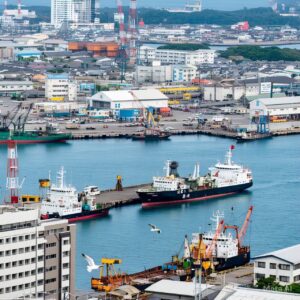
Nestled along the southwestern coast of India, Kochi’s port has long been a cornerstone of global maritime trade, shaping the region’s economic landscape for centuries. Its deep natural harbor and strategic location have made it an indispensable link between India and key international markets. From its early days as a thriving center of the spice trade to its current status as a modern, high-tech port, Kochi has consistently evolved to meet the demands of global shipping. Today, the Port of Kochi not only drives economic growth but also plays a critical role in enhancing India’s position on the world stage, serving as a vital gateway for goods and fostering innovation in the maritime sector.

Kochi’s maritime legacy dates back to ancient times when it was a prominent center for spice trade. Arab, Chinese, and European traders frequented its shores, making it one of the earliest trading ports in the world. The arrival of the Portuguese in the 15th century and later the Dutch and British further established Kochi as a key gateway for global trade. The port’s historical significance continues today as it remains a critical junction for maritime activities.

Strategic Location and Connectivity

One of the primary reasons for Kochi’s prominence in international maritime trade is its strategic geographic location. Positioned along the Arabian Sea, it offers an ideal transit point for shipping routes connecting the Middle East, Europe, and Southeast Asia. Its proximity to international shipping lanes reduces transit time and operational costs, making it an attractive destination for global trade.

Additionally, Kochi is well-connected to India’s major economic centers through a robust network of roads, railways, and air transport. The presence of Cochin International Airport further enhances the city’s accessibility, ensuring seamless movement of goods between land and sea.

Infrastructure and Modernization

The Cochin Port Trust, responsible for managing the port, has undertaken significant infrastructural developments to enhance its operational efficiency. The port boasts modern cargo terminals, state-of-the-art container handling facilities, and deep-draft berths capable of accommodating large vessels. The International Container Transshipment Terminal (ICTT) at Vallarpadam, India’s first transshipment hub, is a game-changer in the country’s maritime trade. This facility enables the direct transfer of containers between ships, reducing dependency on foreign ports like Colombo and Singapore.

Economic Contributions

Kochi’s port is a vital driver of economic growth in Kerala and beyond. It facilitates the import and export of a wide range of goods, including petroleum products, spices, seafood, coir, rubber, and electronic equipment. The port’s operations generate substantial employment opportunities, directly and indirectly benefiting thousands of people in the region.

Moreover, the presence of several industrial and business hubs around the port, such as the Cochin Special Economic Zone (CSEZ) and the Petroleum, Chemicals and Petrochemicals Investment Region (PCPIR), has further strengthened Kochi’s position as a commercial powerhouse.

Role in India’s Blue Economy

The Indian government has been actively promoting the ‘Blue Economy’ initiative, which focuses on sustainable maritime development. Kochi’s port plays a crucial role in this vision by supporting fisheries, coastal tourism, and marine research. The city is home to institutions like the Cochin Shipyard, which contributes to shipbuilding and repair activities, further boosting the maritime industry.

Cruise Tourism and Passenger Traffic

Beyond trade, Kochi is a significant hub for cruise tourism. Its well-equipped cruise terminal attracts international luxury liners, making it a preferred stopover for global travelers. The influx of cruise tourists significantly contributes to the local economy, benefiting hotels, restaurants, and handicraft industries.

Additionally, the port facilitates passenger ferry services connecting Lakshadweep and other coastal regions, providing an essential mode of transport for residents and tourists alike.

Environmental Sustainability and Green Initiatives

Recognizing the importance of sustainable development, the Cochin Port Trust has undertaken several green initiatives. The port has implemented shore power supply for ships to reduce carbon emissions, improved waste management systems, and promoted eco-friendly cargo handling practices. The development of solar and wind energy projects further highlights its commitment to environmental conservation.

Challenges and the Road Ahead

Despite its strengths, Kochi’s port faces certain challenges that need to be addressed for continued growth. Issues such as congestion, dredging requirements, competition from other major ports, and fluctuating global trade dynamics pose hurdles. However, ongoing expansion projects, digitization efforts, and government policies aimed at boosting the maritime sector are expected to enhance the port’s competitiveness.

The Sagarmala initiative, a flagship program by the Government of India, aims to modernize port infrastructure, promote coastal shipping, and develop inland waterways. Kochi stands to benefit significantly from these initiatives, further solidifying its role in international trade.

Conclusion

Kochi’s port is more than just a transit point; it is a thriving economic engine that connects India to the global marketplace. With its rich history, strategic location, robust infrastructure, and commitment to sustainable growth, the port continues to play an indispensable role in international maritime trade. As India’s maritime ambitions expand, the Port of Kochi is poised to emerge as a key player in shaping the future of global shipping and commerce.


The Role of Traditional Kerala Cuisine in Kochi’s Culinary Tourism

Kochi, the Queen of the Arabian Sea, is not just a picturesque coastal city but also a melting pot of cultures and cuisines. Its vibrant culinary scene is deeply rooted in Kerala’s traditional flavors, making it a prime destination for food lovers. From aromatic seafood dishes to wholesome vegetarian feasts, Kochi offers an unparalleled gastronomic experience. The city’s food festivals, traditional Sadhya feasts, and coastal delicacies all contribute to its growing reputation as a culinary hotspot.

A Culinary Melting Pot

Kochi’s history as a major trading port has infused its cuisine with influences from Arab, Portuguese, Dutch, and British traders. However, at its core, the traditional flavors of Kerala remain dominant. The extensive use of coconut, rice, spices, and fresh seafood characterizes the local fare, making it an essential part of the city’s tourism appeal.

Food Festivals Celebrating Kerala’s Rich Culinary Heritage

Kochi hosts several food festivals throughout the year, attracting both local and international tourists. These events serve as platforms to showcase the diversity of Kerala’s cuisine.

1. The Kochi Food Festival

One of the most anticipated food festivals in the city, this event celebrates the traditional flavors of Kerala. Held annually, it features stalls serving authentic Malabar biryanis, Kerala-style fish curries, appams with stew, and an assortment of snacks like banana chips and achappam (rose cookies). Visitors get a chance to indulge in the authentic tastes of Kerala while enjoying cultural performances.

2. The Kerala Sadhya Festival

Sadhya, a traditional vegetarian feast served on a banana leaf, is a quintessential part of Kerala’s culinary heritage. Festivals celebrating Sadhya in Kochi allow tourists to experience an authentic Onam feast, complete with over 20 different dishes, including avial, olan, thoran, sambar, and payasam. These feasts are often accompanied by traditional music and dance, making it a wholesome cultural experience.

3. Seafood Festivals

Given its coastal location, Kochi is a haven for seafood lovers. Various seafood festivals are held, where visitors can savor fresh catches cooked in traditional Kerala styles. Dishes such as Karimeen Pollichathu (pearl spot fish wrapped in banana leaf), Chemmeen Curry (prawn curry), and Meen Moilee (fish stew with coconut milk) are must-tries.

Traditional Seafood Delicacies of Kochi

Kochi’s coastal location ensures a steady supply of fresh seafood, which plays a significant role in its cuisine. Some iconic seafood dishes that define Kochi’s culinary landscape include:

  • Karimeen Pollichathu – Pearl spot fish marinated with spices, wrapped in banana leaves, and grilled to perfection.
  • Chemmeen Ularthiyathu – A prawn delicacy prepared with coconut, curry leaves, and a medley of spices.
  • Meen Curry – A spicy and tangy fish curry prepared with kokum and coconut-based gravy, best enjoyed with rice or kappa (tapioca).
  • Crab Roast – Freshly caught crabs cooked in a spicy Kerala-style masala.

The Importance of Traditional Vegetarian Cuisine

While seafood dominates the food scene, Kerala’s traditional vegetarian dishes are equally celebrated. The Sadhya meal, typically served during festivals and weddings, is a culinary spectacle. Made up of an array of dishes, it offers a perfect balance of flavors—sweet, sour, spicy, and tangy.

Some of the popular vegetarian dishes include:

  • Avial – A mixed vegetable dish cooked with coconut and yogurt.
  • Olan – A mild stew made with ash gourd, red beans, and coconut milk.
  • Thoran – Stir-fried vegetables with coconut, mustard seeds, and curry leaves.
  • Rasam – A spiced tamarind soup that aids digestion.
  • Payasam – A sweet pudding made with rice, vermicelli, jaggery, and coconut milk, served as a dessert.

Kochi has a vibrant street food scene that blends Kerala’s traditional flavors with modern influences. The Influence of Kochi’s Spice Trade on Cuisine

Kerala is known as the Land of Spices, and Kochi has been a pivotal center in the spice trade for centuries. Spices like black pepper, cardamom, cinnamon, and cloves are integral to its cuisine. The use of these spices not only enhances the flavors of dishes but also adds to their medicinal properties. Traditional Kerala dishes often have a rich spice profile, making them distinct and aromatic.

Kochi’s food culture is a significant attraction for travelers. Culinary tourism is thriving in the city, with food trails, cooking classes, and spice plantation tours drawing visitors from around the world. The fusion of tradition with modern dining experiences ensures that Kochi remains a top culinary destination in India.

Kochi’s culinary tourism thrives on the authenticity and diversity of Kerala cuisine. The city’s food festivals, traditional seafood specialties, and elaborate vegetarian feasts make it a paradise for food lovers. With its deep-rooted spice heritage and influence from global traders, Kochi continues to be a must-visit destination for those seeking an unforgettable gastronomic experience.


How Kochi is Attracting International Investments in Tech Startups

Kochi, the commercial capital of Kerala, has emerged as a thriving hub for technology startups, drawing significant international investments. With its strategic location, a growing pool of skilled talent, and a supportive government ecosystem, Kochi is positioning itself as one of India’s leading destinations for global investors looking to fund innovative ventures. This article explores the key factors that make Kochi attractive for international investments in tech startups, the role of government initiatives, emerging trends, and the future potential of the city’s startup ecosystem.

A Thriving Startup Ecosystem

Kochi’s startup ecosystem has witnessed remarkable growth over the past decade. The city has fostered an environment conducive to entrepreneurial success, thanks to:

  • The Presence of Technology Incubators: Organizations like Kerala Startup Mission (KSUM) and Maker Village provide mentorship, funding, and infrastructure for early-stage startups.
  • A Culture of Innovation: The city’s startup landscape spans multiple sectors, including artificial intelligence (AI), fintech, health tech, and marine technology, attracting diverse investors.
  • University Collaborations: Partnerships with institutions like Cochin University of Science and Technology (CUSAT) facilitate research-driven startup innovations, making Kochi a hub for cutting-edge technology development.

Government Initiatives Driving Investments

The Kerala government has played a pivotal role in making Kochi an investment-friendly destination for international investors. Several key initiatives have been implemented to boost the startup ecosystem:

  • Kerala Startup Mission (KSUM): This flagship initiative provides funding, networking opportunities, and market access for startups, encouraging both local and global investments.
  • Kerala Innovation Grant: A government-backed grant program that supports early-stage entrepreneurs in developing scalable business models.
  • Startup Exchange Programs: Collaborations with international agencies and business accelerators help startups gain global exposure and attract foreign funding.
  • Investor-Friendly Policies: The Kerala government has introduced tax benefits, financial incentives, and relaxed regulatory norms to attract foreign direct investment (FDI) into the startup sector.

Infrastructure and Technological Advancements

Kochi boasts robust infrastructure that supports the growth of tech startups. Some of the key elements include:

  • Smart City Kochi: This ambitious project has transformed the city into a digitally connected and technologically advanced hub, offering an ideal environment for tech-driven enterprises.
  • Special Economic Zones (SEZs): The Infopark and SmartCity SEZs provide world-class office spaces, reliable internet connectivity, and state-of-the-art IT infrastructure, attracting global tech companies.
  • 5G and High-Speed Internet: With the introduction of 5G technology and widespread fiber-optic connectivity, startups in Kochi have access to high-speed internet, essential for AI, IoT, and data-driven businesses.

The Rise of Foreign Investments

International investors are increasingly showing interest in Kochi-based startups due to several compelling reasons:

  • Cost-Effective Operations: Compared to metro cities like Bangalore and Mumbai, Kochi offers lower operational costs, making it attractive for investors seeking high-value returns on investment.
  • Access to a Skilled Workforce: With a steady supply of engineering graduates and IT professionals, global investors find Kochi an ideal place to fund startups with strong talent pools.
  • Startup Success Stories: Several Kochi-based startups, such as Genrobotics and Agrima Infotech, have secured international funding, establishing credibility for the city’s startup ecosystem.
  • Proximity to Global Trade Routes: As a major port city, Kochi serves as a gateway for international business expansion, facilitating cross-border collaborations and funding opportunities.

Emerging Trends in Kochi’s Startup Sector

Kochi is witnessing a surge in innovative tech startups across various domains. Some of the fastest-growing sectors include:

  • Artificial Intelligence and Machine Learning: AI-driven companies in Kochi are receiving significant funding for developing intelligent automation and data analytics solutions.
  • Fintech Startups: With digital banking and financial technology on the rise, fintech startups in Kochi are attracting investments from venture capital firms and angel investors.
  • Healthcare Technology: Medtech and biotech startups leveraging AI, telemedicine, and digital health solutions are gaining international recognition.
  • Maritime and Blue Economy Startups: Given Kochi’s coastal advantage, startups focusing on marine technology, aquaculture, and ocean-based innovations are attracting foreign investments.

The Role of Startup Accelerators and Incubators

Startup accelerators and incubators in Kochi play a vital role in connecting entrepreneurs with international investors. Some notable organizations include:

  • Maker Village: India’s largest electronic hardware incubator, offering funding and mentorship to startups developing innovative hardware solutions.
  • KSUM Accelerator Programs: These initiatives provide early-stage startups with the necessary financial backing, infrastructure, and international investor exposure.
  • Infopark Incubation Center: A dedicated startup incubation space that facilitates networking and collaboration with foreign venture capitalists.

Challenges and Opportunities

Despite its growth, Kochi’s startup ecosystem faces a few challenges:

  • Limited Access to Large-Scale Funding: Compared to major startup hubs like Bangalore and Hyderabad, Kochi still has limited exposure to big-ticket investments.
  • Regulatory Hurdles: Although the government has introduced investor-friendly policies, bureaucratic processes can sometimes slow down startup growth.
  • Scaling Startups Beyond India: Many startups in Kochi struggle to expand globally due to a lack of international market access and funding.

However, these challenges also present opportunities for further development:

  • Attracting Global VC Firms: By hosting more international startup events and investment summits, Kochi can strengthen its reputation as a startup-friendly destination.
  • Encouraging Cross-Border Partnerships: More collaborations between local startups and global corporations can lead to increased foreign investments.
  • Promoting Women Entrepreneurs: Encouraging more female-led startups through dedicated funding programs can diversify and strengthen the ecosystem.

Future Prospects

Looking ahead, Kochi’s startup ecosystem is set to scale new heights. The following trends are expected to shape its future:

  • Expansion of AI and Deep Tech Startups: AI-powered solutions in automation, cybersecurity, and healthcare will continue to attract global funding.
  • More International Startup Hubs: Kochi is likely to see more global accelerators setting up offices, further enhancing foreign investment inflows.
  • Government-Backed Global Investment Summits: Increased participation in international startup summits and investor roadshows will boost the city’s presence on the global stage.
  • Integration with Metaverse and Web 3.0: Emerging technologies like blockchain, NFT marketplaces, and the metaverse will create new avenues for startup growth and international funding.

Conclusion

Kochi has emerged as a vibrant and promising destination for international investments in tech startups. With strong government support, a thriving talent pool, world-class infrastructure, and an increasing number of success stories, the city is well on its way to becoming a major global startup hub. While challenges remain, the future looks bright for Kochi’s entrepreneurial ecosystem. By continuing to foster innovation and attract international investors, Kochi can solidify its position as a key player in the global technology landscape.


The Influence of AI in Shaping Kochi’s Retail Sector

Kochi, often referred to as the commercial capital of Kerala, has been at the forefront of technological advancements and economic growth. The retail sector, a significant contributor to the city’s economy, is undergoing a transformative shift driven by artificial intelligence (AI). From personalized shopping experiences to efficient supply chain management, AI is reshaping how retailers operate and how consumers engage with businesses. This article delves into the profound impact of AI on Kochi’s retail sector, highlighting key areas of transformation, benefits, and future prospects.

AI-Driven Customer Experience

One of the most visible influences of AI in Kochi’s retail landscape is the enhancement of customer experience. Retailers are leveraging AI-powered chatbots, virtual assistants, and recommendation engines to create personalized shopping journeys.

  • Chatbots and Virtual Assistants: Many retail stores in Kochi have integrated AI-driven chatbots into their websites and mobile apps to assist customers with queries, product searches, and purchase recommendations. These AI assistants offer 24/7 support, improving customer engagement and satisfaction.
  • Personalized Recommendations: E-commerce platforms and even brick-and-mortar stores are using AI algorithms to analyze customer preferences and suggest relevant products. By studying past purchases, browsing history, and demographic data, retailers can curate tailored offerings, increasing conversion rates.
  • Smart In-Store Navigation: Some advanced shopping malls and supermarkets in Kochi are implementing AI-based navigation tools that help customers locate products quickly using mobile applications, reducing shopping time and enhancing convenience.

AI in Inventory and Supply Chain Management

Efficient inventory management is crucial for retail businesses, and AI is playing a pivotal role in optimizing stock levels and supply chains in Kochi.

  • Demand Forecasting: AI-powered predictive analytics enable retailers to forecast demand accurately, minimizing the risks of overstocking or understocking. By analyzing historical sales data, weather patterns, and local events, AI helps businesses make informed stocking decisions.
  • Automated Restocking: Supermarkets and large retail chains in Kochi are adopting AI-driven inventory management systems that automatically reorder products when stock levels are low, ensuring seamless availability of goods.
  • Smart Warehousing: AI-integrated robots and automation solutions are streamlining warehousing operations. Some Kochi-based retailers are utilizing AI-powered systems to track product movement, manage storage efficiently, and reduce logistical costs.

AI in Pricing Strategies and Fraud Detection

Retailers in Kochi are increasingly using AI to optimize pricing strategies and detect fraudulent activities, ensuring a secure and competitive market.

  • Dynamic Pricing Models: AI-driven pricing strategies allow retailers to adjust product prices in real time based on demand, competitor pricing, and market trends. This ensures competitive pricing while maximizing profit margins.
  • Fraud Prevention: AI-powered fraud detection tools help retailers identify suspicious transactions and prevent fraudulent activities. These systems analyze customer behavior and detect anomalies that could indicate fraud, thereby protecting businesses and consumers alike.

The Rise of AI-Enabled Smart Stores

Kochi is witnessing the emergence of AI-enabled smart stores that blend technology with traditional shopping experiences.

  • Cashierless Stores: Some retailers are experimenting with AI-powered checkout systems, reducing dependency on cashiers and enhancing customer convenience. Shoppers can pick up items, and AI-powered sensors automatically bill them as they exit the store.
  • Augmented Reality (AR) Shopping: AI-driven AR applications allow customers to visualize products before purchasing. For example, fashion retailers in Kochi are introducing virtual trial rooms where customers can see how outfits look on them without physically trying them on.

AI in Digital Marketing and Customer Engagement

Digital marketing in Kochi’s retail sector has seen a remarkable transformation with AI-powered tools that enhance customer engagement and boost sales.

  • Targeted Advertising: AI algorithms analyze consumer behavior to create highly personalized advertisements, ensuring higher engagement rates. Social media marketing campaigns in Kochi now leverage AI to reach potential customers with tailor-made promotions.
  • Sentiment Analysis: AI tools assess customer feedback, social media interactions, and reviews to gauge sentiment towards products and brands. This helps retailers improve customer service and address issues proactively.
  • Voice Search Optimization: With the rise of voice-activated devices, retailers are optimizing their online presence for voice search. AI-powered SEO strategies ensure that businesses appear in voice search results, enhancing visibility.

Challenges of AI Adoption in Kochi’s Retail Sector

While AI presents numerous benefits, its adoption in Kochi’s retail sector also comes with challenges.

  • High Initial Investment: Implementing AI solutions requires significant investment in infrastructure, training, and maintenance, which may be a barrier for small and medium-sized retailers.
  • Data Privacy Concerns: The use of AI involves collecting and analyzing vast amounts of customer data. Ensuring data privacy and compliance with regulations is crucial to maintaining consumer trust.
  • Workforce Adaptation: Retail employees need to adapt to AI-driven changes. Training programs are necessary to equip staff with the skills required to work alongside AI systems.

The Future of AI in Kochi’s Retail Sector

The future of AI in Kochi’s retail industry is promising, with continued advancements expected to redefine shopping experiences.

  • AI-Powered Hyperlocal Retailing: AI will enable hyperlocal retail strategies, where businesses use geolocation data to offer personalized promotions and services based on a customer’s exact location.
  • Blockchain Integration: AI and blockchain together can enhance transparency in supply chains, ensuring authenticity and reducing counterfeit goods in Kochi’s retail markets.
  • AI-Powered Sustainability Initiatives: With growing awareness of sustainability, AI-driven solutions will help retailers minimize waste, optimize energy usage, and promote eco-friendly practices.

Conclusion

AI is undeniably transforming Kochi’s retail sector, driving efficiency, enhancing customer experiences, and fostering innovation. While challenges remain, the potential benefits far outweigh the obstacles. As retailers continue to embrace AI-driven solutions, Kochi is poised to become a model city for the future of smart retailing in India. The integration of AI in retail is not just a trend but a necessity for businesses looking to thrive in the digital age.


Exploring Kochi’s Thriving Seafood Industry: From Catch to Cuisine

Kochi, the enchanting coastal city of Kerala, offers an exceptional culinary experience for food lovers and seafood enthusiasts alike. With its rich maritime heritage and abundance of fresh catches from the Arabian Sea, Kochi promises a seafood journey that is nothing short of extraordinary. The city beckons foodies to indulge in the freshest, most flavorful seafood that reflects the region’s deep connection with the sea.

A Bounty of Fresh Catches

Kochi’s seafood offerings are a true testament to the diversity and richness of its waters. From tender, sweet prawns to juicy, plump crabs, the local fishermen bring in daily catches that cater to every palate. The variety of fish is endless, each species offering a unique texture and flavor profile, making every meal a different experience. Whether you enjoy the firm flesh of mackerel or the delicate flakiness of pomfret, there’s something for everyone here.

Flavors Infused with Local Spices

The real magic of Kochi’s seafood lies in its vibrant use of spices. The region’s rich spice heritage adds depth and complexity to every dish. Local spices like cardamom, cloves, black pepper, and curry leaves infuse the seafood with a unique aromatic warmth that makes each bite unforgettable. A tangy fish curry, simmered with tamarind and fresh coconut, or fried fish dusted with a blend of fiery spices, offers a fiery kick balanced with the cooling effect of coconut milk and fresh herbs.

Traditional Recipes Passed Down Through Generations

Kochi’s seafood dishes aren’t just meals; they’re stories of tradition and history. The recipes have been handed down through generations of coastal communities, ensuring that every dish retains its authentic touch. Whether served in a spicy stew or grilled to perfection, these traditional preparations highlight the flavors of the sea in their purest form. The rich, creamy fish moilee, the tangy meen curry (fish curry), and the crispy, crunchy fried fish are just a few examples of the beloved seafood staples that continue to dominate the local dining scene.

From Market to Plate: The Vibrant Seafood Markets

No visit to Kochi’s seafood scene is complete without a trip to its bustling fish markets. These lively hubs, brimming with the freshest catches of the day, offer a sensory overload of colors, smells, and sounds. The fishmongers proudly display their catches, from vibrant red prawns to shimmering fish, while vendors haggle over prices. You can pick out your seafood and have it cooked right before your eyes, ensuring it’s as fresh as possible. The experience of watching a skilled chef transform raw fish into an aromatic masterpiece is an adventure in itself.

A Feast of Flavors: Grilled, Stewed, or Fried

Whether you prefer your seafood grilled, fried, or stewed, Kochi’s seafood offerings cater to every taste. Grilled fish, with its smoky, charred edges, is a popular favorite, often seasoned with a delicate blend of local spices and coconut oil. Fried seafood, crispy and golden brown, is another delight, often served with a tangy dip or fresh lemon wedges. For those seeking a richer experience, the creamy and aromatic seafood stews, slow-cooked in coconut milk and a medley of spices, are nothing short of indulgent.

A Perfect Ending: Sweet Delights with a Seafood Twist

No meal in Kochi is complete without indulging in a sweet treat. Some traditional desserts take inspiration from the sea, with local delicacies made from coconut, jaggery, and spices. Whether it’s a sweet coconut pudding or a traditional payasam (rice pudding), the finishing touch on your seafood feast provides a satisfying contrast to the savory flavors of the main course.

Conclusion: A Seafood Lover’s Paradise

Kochi’s seafood industry is a reflection of its rich culture, diverse marine life, and time-honored culinary traditions. For foodies, it offers an experience that is both authentic and exhilarating. From the freshest catches to the infusion of local spices and traditional recipes, Kochi is a true paradise for anyone who loves seafood. Each dish tells a story of the sea, and every bite is a step closer to understanding the heart of this coastal city.

The Impact of the Kochi-Muziris Biennale on Global Art Culture

How Kochi is Redefining the Future of Sustainable Tourism

Kochi, a vibrant coastal city in Kerala, is known for its rich cultural heritage, colonial history, and scenic beauty. But beyond its popular tourist attractions, Kochi is leading the way in redefining the future of sustainable tourism. As the world becomes increasingly aware of the environmental and social impact of tourism, Kochi is setting an example by integrating sustainable practices into its tourism infrastructure and activities. From eco-friendly accommodations to responsible travel initiatives, Kochi is demonstrating how a city can offer an authentic, enriching experience while minimizing its environmental footprint and benefiting local communities.

In this article, we will explore how Kochi is embracing sustainability in tourism and how this is shaping the future of travel in the region.

1. Eco-Friendly Accommodations: A Shift Toward Green Hospitality

One of the most significant ways in which Kochi is redefining sustainable tourism is through the rise of eco-friendly accommodations. Hotels, resorts, and homestays in Kochi are increasingly adopting green practices that reduce their environmental impact. Many of these accommodations focus on sustainability through initiatives such as:

  • Energy Efficiency: Several properties in Kochi have incorporated energy-efficient systems, such as solar panels for heating water and LED lighting to reduce electricity consumption. These measures are not only helping to lower energy bills but are also reducing the carbon footprint of the hospitality sector.

  • Water Conservation: Many eco-conscious hotels in Kochi have implemented rainwater harvesting systems and water-saving fixtures like low-flow toilets and showerheads. These initiatives help conserve water, a critical resource in the region, especially during the dry season.

  • Waste Management: Sustainable hotels in Kochi are increasingly committed to reducing waste. Many hotels have introduced composting systems for organic waste, eliminated single-use plastics, and adopted recycling programs to manage their waste effectively.

  • Locally Sourced Food: Several hotels and resorts in Kochi have adopted farm-to-table concepts, sourcing their food from local organic farms. This not only ensures that guests enjoy fresh, healthy meals but also supports local farmers and reduces the carbon footprint associated with transporting food over long distances.

2. Sustainable Backwater Cruises: A Green Way to Explore Kerala’s Waterways

Kochi is famous for its backwaters, a network of serene, interconnected lagoons, lakes, and rivers that draw tourists from around the world. Traditionally, houseboat cruises have been a major tourist activity, but in recent years, the focus has shifted toward more sustainable backwater experiences. Operators in Kochi are increasingly adopting green practices to minimize the environmental impact of these cruises. Some of the key initiatives include:

  • Solar-Powered Houseboats: Several houseboat operators in Kochi have introduced solar-powered boats, which help reduce fuel consumption and the release of pollutants into the water. Solar-powered houseboats are quieter, cleaner, and more eco-friendly, offering tourists a tranquil and sustainable way to explore the backwaters.

  • Responsible Waste Disposal: Houseboat operators in Kochi are increasingly adopting responsible waste management practices. Many houseboats now feature onboard waste disposal systems to ensure that no sewage or plastic waste is dumped into the backwaters, preserving the fragile ecosystem.

  • Eco-Friendly Cruises: Many backwater tour operators now offer eco-friendly cruises that focus on responsible tourism. These cruises highlight the importance of preserving local flora and fauna, educating tourists about the significance of maintaining the ecological balance of the backwaters.

3. Community-Based Tourism: Empowering Locals Through Tourism

Sustainable tourism in Kochi is not just about protecting the environment; it is also about empowering local communities. The city has seen the rise of community-based tourism initiatives that provide tourists with authentic, immersive experiences while benefiting local people economically. These initiatives include:

  • Cultural Immersion Experiences: Visitors to Kochi can now engage in cultural activities like cooking classes, pottery workshops, and traditional dance performances organized by local communities. These experiences help preserve traditional arts and crafts while providing a source of income for local artisans and performers.

  • Village Tourism: Some tour operators in Kochi offer village tourism packages, where visitors can stay with local families in rural areas and learn about their daily lives. This form of tourism not only allows travelers to experience the culture firsthand but also helps provide a steady income for families who might otherwise rely on agriculture or fishing for a living.

  • Conservation Projects: Various community-driven conservation initiatives in Kochi encourage tourists to participate in efforts to protect the local environment. For example, initiatives to protect the endangered species in the backwaters or preserve mangrove forests are open to tourists who wish to contribute to local conservation efforts. In return, these projects provide an additional source of income for local communities, as well as a deeper connection between tourists and the region’s natural heritage.

4. Promoting Sustainable Transportation: Green Travel Options in the City

One of the major challenges of tourism is the carbon footprint associated with transportation. Kochi is making strides in promoting more sustainable travel options within the city. The city’s commitment to reducing its carbon footprint is evident in several key areas:

  • Electric Boats and Rickshaws: In an effort to reduce air and noise pollution in the city, Kochi has introduced electric boats and electric rickshaws as alternative transport options for tourists. These environmentally friendly modes of transport help reduce the dependency on fossil fuels and provide tourists with a quieter and more sustainable way to explore the city.

  • Public Transport Initiatives: The city’s Kochi Metro, which opened in 2017, is another example of the city’s commitment to sustainable transportation. By encouraging the use of public transportation, Kochi is reducing the number of private vehicles on the road, helping to mitigate traffic congestion and air pollution.

  • Cycling Tours: Cycling tours are gaining popularity in Kochi as an eco-friendly alternative to traditional sightseeing tours. Local tour operators offer guided cycling tours around the city and its surroundings, giving visitors the opportunity to explore Kochi at a leisurely pace while reducing their carbon footprint.

5. Environmental Education and Awareness: Teaching Tourists to Be Responsible

Kochi is also committed to raising awareness about sustainable tourism among visitors. Many tour operators and local businesses are focusing on educating tourists about the importance of responsible travel. This includes:

  • Sustainability Workshops: Various hotels, resorts, and travel agencies in Kochi offer workshops and seminars on topics such as responsible tourism, wildlife conservation, and waste reduction. These educational programs help visitors understand the impact of their actions on the environment and encourage them to make more sustainable choices during their travels.

  • Promoting Eco-Friendly Products: Local businesses are increasingly offering eco-friendly products such as reusable water bottles, cloth bags, and natural toiletries to encourage sustainable consumer behavior. By supporting these businesses, tourists contribute to the local economy while also reducing their environmental impact.

6. Conservation Efforts in the Region: Protecting Kochi’s Natural Beauty

Kochi is not only known for its historical and cultural significance but also for its stunning natural beauty. The city is home to a variety of ecosystems, including mangrove forests, wetlands, and coastal areas, which are vital to both local biodiversity and the tourism industry. To ensure the preservation of these ecosystems, Kochi has implemented several conservation initiatives, such as:

  • Mangrove Preservation Programs: The city is actively involved in mangrove conservation efforts, working with local communities and environmental organizations to restore and protect these vital ecosystems. Mangroves play a crucial role in protecting coastal areas from erosion and provide habitat for a variety of species.

  • Eco-Trails and Nature Reserves: Kochi’s commitment to sustainable tourism extends to the preservation of its natural habitats. The city has created eco-trails and nature reserves where visitors can explore its rich biodiversity while contributing to conservation efforts. These initiatives help protect wildlife and ensure that future generations can enjoy Kochi’s natural beauty.

Conclusion: A Model for Sustainable Tourism

Kochi is setting a powerful example of how cities can embrace sustainable tourism without sacrificing the quality of the travel experience. By focusing on eco-friendly accommodations, community-based tourism, sustainable transportation, and environmental education, Kochi is not only preserving its natural beauty and cultural heritage but also ensuring that tourism benefits local communities in a meaningful way.

As travelers become more conscious of their environmental impact, destinations like Kochi that prioritize sustainability will continue to attract responsible tourists who seek to make a positive contribution to the places they visit. With its commitment to sustainable practices, Kochi is leading the way in redefining the future of tourism and setting a benchmark for other cities around the world.

The Best Tourist Attractions in Kochi: History, Culture, and Natural Beauty

Kochi, often referred to as the “Queen of the Arabian Sea,” is a stunning blend of history, culture, and natural beauty. This coastal city in Kerala, located on the southwestern coast of India, is a historical trading port with a rich cultural tapestry that reflects its colonial past, diverse communities, and thriving arts scene. Kochi is not only an economic hub but also a treasure trove of attractions for tourists seeking history, culture, and nature. From ancient temples to serene backwaters and bustling markets, there is something for everyone. In this article, we’ll explore the best tourist attractions in Kochi, delving into its historical sites, cultural landmarks, and natural wonders.

1. Fort Kochi: A Glimpse into Colonial History

Fort Kochi is a must-visit for anyone looking to explore the city’s colonial past. The area’s narrow streets are lined with old Portuguese, Dutch, and British colonial buildings, offering a fascinating glimpse into Kochi’s history as a major port city in the 16th century. Key highlights of Fort Kochi include:

  • The Chinese Fishing Nets: These iconic nets, believed to have been introduced by Chinese traders in the 14th century, are one of the most photographed landmarks in Kochi. Located along the shores of Fort Kochi, they offer a picturesque scene of fishermen at work and make for an excellent photo opportunity.

  • St. Francis Church: This historic church, built in 1503 by the Portuguese, is the oldest European church in India. It is also the site where the remains of the famous explorer Vasco da Gama were originally buried before being moved to Lisbon. The church’s simple, elegant architecture is a must-see for history buffs.

  • The Dutch Cemetery: A peaceful spot in the heart of Fort Kochi, the Dutch Cemetery is the final resting place of several Dutch traders and soldiers from the colonial era. It offers a quiet, reflective environment amidst the bustling city.

2. Mattancherry Palace (Dutch Palace): A Royal Heritage

The Mattancherry Palace, also known as the Dutch Palace, is a stunning example of Kerala’s regal architecture and history. Built by the Portuguese in the 16th century and later renovated by the Dutch, this palace offers insights into the life of the Kochi royal family. The palace is famous for its:

  • Mural Paintings: The palace walls are adorned with exquisite Kerala-style mural paintings depicting scenes from Hindu mythology, particularly the Ramayana and Mahabharata. These murals provide an insight into the artistic and cultural traditions of the region.

  • Royal Artifacts: The palace also houses a collection of royal artifacts, including the coronation robes of the Kochi Maharajas, old weapons, and furniture, giving visitors a deeper understanding of the lifestyle and history of the royal family.

3. Jewish Synagogue: A Testament to Kochi’s Cultural Diversity

Kochi’s cultural diversity is one of its most appealing aspects, and the Jewish Synagogue in the Jew Town area is a testament to this multicultural heritage. The Paradesi Synagogue, built in 1568, is the oldest active synagogue in the Commonwealth. Visitors will be struck by its:

  • Elegant Interiors: The synagogue features beautiful chandeliers, antique gold crowns, and a stunning hand-painted tile floor, making it one of the most impressive religious sites in India.

  • Historical Significance: The synagogue serves as a reminder of the once-thriving Jewish community in Kochi, who played a pivotal role in the city’s trade and cultural exchange over centuries.

4. Kerala Folklore Museum: A Cultural Showcase

For those keen on learning about the rich cultural heritage of Kerala, the Kerala Folklore Museum is a must-visit. Located in Thevara, this museum showcases a vast collection of traditional art forms, folklore, and artifacts, providing a deep dive into the state’s culture. Highlights include:

  • Traditional Artifacts: The museum features a stunning array of traditional Keralan musical instruments, dance costumes, sculptures, and ritual items that showcase the state’s rich cultural traditions.

  • Folk Art Performances: Visitors can often enjoy live performances of Kerala’s traditional dance forms like Kathakali, Theyyam, and Mohiniyattam, which bring the museum’s collection to life.

5. Mangalavanam Bird Sanctuary: A Natural Retreat in the City

Amid the hustle and bustle of Kochi lies the tranquil Mangalavanam Bird Sanctuary, a 2.74 square kilometer haven for migratory birds. Located in the heart of the city, this sanctuary provides a peaceful escape into nature. The sanctuary’s highlights include:

  • Bird Watching: Home to a variety of birds, including the endangered white-bellied sea eagle, the sanctuary is a paradise for bird watchers. The best time to visit is during the migratory season, between November and February.

  • Nature Trails: The sanctuary features well-maintained walking trails, allowing visitors to enjoy the lush greenery and serene surroundings while learning about the diverse flora and fauna that thrive here.

6. Kochi Backwaters: A Peaceful Escape

No visit to Kochi is complete without experiencing its famous backwaters. These serene, winding waterways offer an unforgettable glimpse into rural life in Kerala. The most popular way to explore the backwaters is by taking a traditional houseboat cruise, where visitors can enjoy the scenic beauty and tranquility of the region. Highlights of the Kochi backwaters include:

  • Alappuzha (Alleppey) Backwaters: A short drive from Kochi, Alleppey is one of Kerala’s most famous backwater destinations. A houseboat ride here offers a serene experience as you float past lush paddy fields, coconut groves, and small villages.

  • Vembanad Lake: This large, serene lake near Kochi is a great spot for a peaceful boat ride. It is also the venue for the famous Nehru Trophy Boat Race, held annually in August, which attracts both locals and tourists.

7. Hill Palace Museum: A Glimpse of Kochi’s Royal Past

The Hill Palace Museum, located in Tripunithura, just a few kilometers from Kochi, was once the official residence of the Kochi Maharajas. Today, it serves as a museum, offering visitors a look into the royal history of the region. Key attractions include:

  • Royal Artifacts: The museum showcases an extensive collection of royal artifacts, including the Maharaja’s crown, royal attire, paintings, and ancient manuscripts, offering a peek into the luxurious lifestyle of the Kochi rulers.

  • Beautiful Grounds: The palace is set amidst lush green gardens and a pond, making it a perfect spot for a leisurely walk or picnic.

8. Vypin Island: A Blend of Natural Beauty and Historical Significance

For a tranquil retreat just outside the city, head to Vypin Island, one of the largest islands in Kochi. Known for its scenic beauty and historical sites, Vypin Island is home to attractions like:

  • Cherai Beach: Known for its clean, golden sands and calm waters, Cherai Beach is perfect for swimming, sunbathing, or a relaxing evening walk along the shore.

  • Pallipuram Fort: This ancient Portuguese fort, built in 1503, is one of the oldest European-built forts in India and offers panoramic views of the surrounding area.

Conclusion: Kochi’s Unique Blend of History, Culture, and Nature

Kochi is a city that offers an exciting mix of historical landmarks, cultural experiences, and natural beauty. Whether you’re wandering through the colonial streets of Fort Kochi, marveling at the artistic murals in the Mattancherry Palace, or enjoying a peaceful boat ride on the backwaters, there is always something to captivate your senses. The city’s ability to seamlessly blend history, culture, and nature makes it one of the most appealing destinations in India, ensuring that visitors will leave with unforgettable memories and a deep appreciation for this fascinating city.