The Kochi Biennale: Fusing Tradition and Global Art
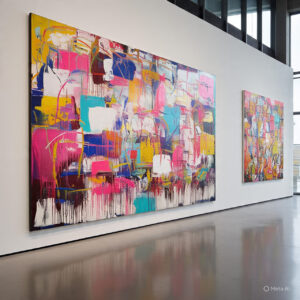
The Kochi-Muziris Biennale, popularly known as the Kochi Biennale, has transformed Kochi from a historic port town into a dynamic hub of contemporary art. Held every two years, this international art festival uniquely blends Kerala’s rich cultural traditions with innovative expressions from around the world. As a result, the event not only captivates art enthusiasts but also draws global attention to India’s vibrant contemporary art scene.
In this blog, let’s explore the Kochi Biennale’s origin, its cultural significance, top venues, and how it fuses local heritage with global artistic movements — all within the stunning backdrop of Kochi’s colonial-era architecture.
🌟 What is the Kochi Biennale?
The Kochi-Muziris Biennale is the largest contemporary art festival in South Asia. Since its inception in 2012, it has showcased the work of hundreds of artists from India and across the globe. The Biennale runs for nearly four months, transforming Kochi’s streets, warehouses, heritage buildings, and waterfronts into open-air galleries and immersive installations.
🔑 Keywords: Kochi Biennale, contemporary art festival in India, art exhibitions in Kochi, international art event Kerala.
🏛️ A Festival Rooted in History
👉 The Biennale takes its name from Muziris, the legendary ancient port near Kochi that once served as a major hub for the spice trade. Just like Muziris connected Kerala to the ancient world, the Kochi Biennale connects traditional Kerala art forms with modern, global artistic expressions.
What makes this festival truly special is its use of Kochi’s colonial-era buildings, abandoned warehouses, and public spaces as art venues. As visitors explore artworks, they simultaneously experience Kochi’s layered history — from Portuguese and Dutch influences to native Kerala architecture.
🌐 Fusing Local Traditions and Global Art
One of the most striking features of the Kochi Biennale is how it brings together:
✅ Traditional Kerala art forms like mural painting, Kathakali, Theyyam, and temple architecture.
✅ Contemporary global art spanning installation art, new media, digital works, sculptures, sound art, and performance pieces.
Through this blend, the Biennale promotes dialogue between past and present, local and international, tradition and innovation.
🎭 Highlights from Past Biennales
Over the years, the Kochi Biennale has seen thought-provoking works that challenge perceptions and celebrate diversity. Let’s look at a few examples:
🔹 Anish Kapoor’s installations — Giant mirrors and abstract forms that play with perception.
🔹 Sudarshan Shetty’s “The Flying Bus” — A poetic sculpture inspired by urban life and Indian mythology.
🔹 Migrant narratives through art — Several artists have explored themes like displacement, identity, and resilience using traditional crafts merged with contemporary techniques.
📍 Key Venues of the Kochi Biennale
The Biennale spreads across multiple sites in Fort Kochi and its surroundings. Some must-visit venues include:
➡️ Aspinwall House: The primary venue, a 19th-century heritage building right on the waterfront.
➡️ Pepper House: A historic spice warehouse turned vibrant art space.
➡️ David Hall: A Dutch-era building that hosts smaller exhibits and performances.
➡️ Cabral Yard: Often the site for large installations and community events.
➡️ Durbar Hall: Located in Ernakulam, this gallery connects the Biennale to the city’s modern core.
🌱 Community Engagement and Educational Initiatives
Unlike typical art exhibitions, the Kochi Biennale goes beyond showcasing art. It focuses on inclusive cultural exchange and community participation through:
✅ Students’ Biennale — Offering a platform for young art students from India to exhibit their work.
✅ Art talks, film screenings, and workshops — Open to the public, these events encourage dialogue between artists and audiences.
✅ Residency programs — Encouraging collaboration between local artisans and visiting artists.
✅ Music and performance festivals — Running alongside the art shows, these programs highlight Kerala’s living traditions.
This vibrant mix makes the Biennale not just a festival, but a living, breathing celebration of creativity.
🗓️ When and How to Visit the Kochi Biennale
👉 The Kochi Biennale typically runs from December to April, offering visitors pleasant weather to explore both art and the city’s attractions.
✅ Tickets: Passes are available at the venue and online; students and local residents often get discounts.
✅ Guided tours: Highly recommended, as they offer deeper insights into the art and history of each venue.
✅ Plan your time: Exploring all Biennale venues comfortably takes 2-3 days, so consider staying in Fort Kochi or Ernakulam.
How to Reach Kochi Biennale
The Biennale is easily accessible:
🚉 By train: Ernakulam Junction is the nearest major railway station, with connections to most Indian cities.
By air: The Cochin International Airport (CIAL) is about 45 km from Fort Kochi.
By road: KSRTC and private buses connect Kochi with other parts of Kerala and neighboring states.
Once in Kochi, local ferries and auto-rickshaws help you navigate between venues.
The Global Impact of Kochi Biennale
The Biennale has not only enriched Kochi’s cultural scene but also positioned it on the world art map. Today, it is regarded as one of the most important art biennales in Asia.
Furthermore, the festival has:
🌟 Boosted cultural tourism in Kerala.
🌟 Revived heritage buildings by converting them into cultural spaces.
🌟 Fostered sustainable tourism and eco-friendly initiatives.
🌟 Created economic opportunities for local communities, from homestays to handicraft sales.
Conclusion: A Unique Confluence of Art and Heritage
If you are passionate about art, history, or culture, the Kochi Biennale is an experience not to miss. It beautifully blends the rich traditions of Kerala with cutting-edge global art, creating a space for dialogue, reflection, and celebration.
So, whether you’re an artist, a traveler, or simply curious, make sure to visit the next Kochi Biennale. It’s more than just an exhibition — it’s a journey into the heart of creativity, set against the timeless charm of Kochi’s coastal heritage.
0 Comments